Mercedes on a roll... but could a U.S.–Iran war change everything? [Kwon Maheo’s Helmet]
- Input
- 2026-03-21 06:30:00
- Updated
- 2026-03-21 06:30:00
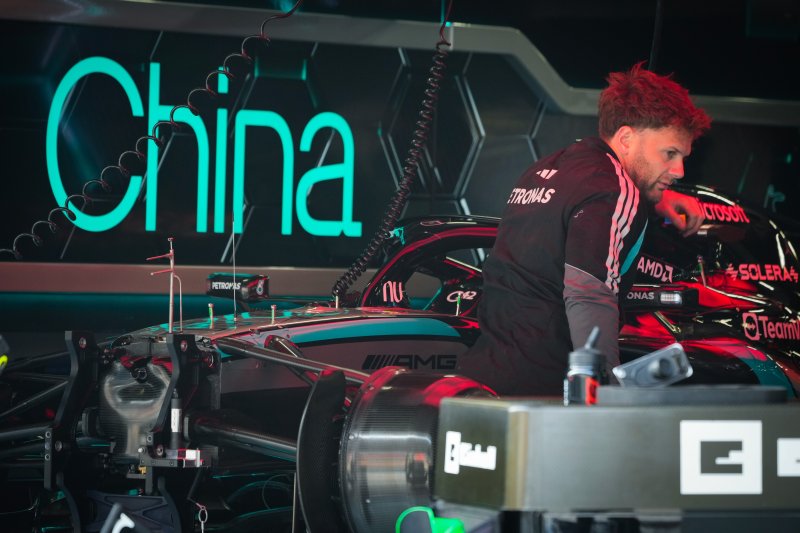
In this edition of Kwon Maheo’s Helmet, I will briefly review the Round 2 race in China and, to mark Antonelli’s pole-to-win drive, look back at the top 10 youngest winners in F1 history. On top of that,we will also talk about what variables could still trip up Mercedes, who are off to such a strong start.
Title contenders keep retiring... rookies are stealing the spotlight

But pole-sitter Antonelli was not about to make it easy. This year he has clearly added stability to his already aggressive style. On lap two he immediately snatched back the lead, showing how much he has changed.
Antonelli even gave fans a laugh with a small wobble at the very end of the race. In the end, he became the second-youngest Grand Prix winner in history.
Round 2 was full of variables.Even though the track temperature hovered around a reasonable 24 degrees Celsius, seven drivers either failed to start or retired due to car and engine problems or collisions.Among those seven were Max Verstappen of Red Bull and McLaren’s one-two punch, Lando Norris and Oscar Piastri.Because the title favourites have not been scoring many points early in the season, young rookies are shaking up the established order.The standout drivers this year are clearly Antonelli and Oliver Bearman of Haas F1 Team (Haas).Bearman finished fifth in Round 2 and, although it is still mid-season, he has already scored 17 points and sits fifth in the drivers’ standings. Franco Colapinto of BWT Alpine F1 Team (Alpine), who failed to score at all last year, finally opened his account with a single point.
Who are the 10 youngest winners in F1 history?
Eighth is Hamilton, who took his first podium after moving to Ferrari in Round 2 this year. Back then he was 22 years and 5 months old when he won the 2007 Canadian Grand Prix. That was actually his rookie season.
McLaren founder Bruce McLaren is seventh, having won at 22 years and 3 months. His victory at the 1959 United States Grand Prix stood as the youngest-winner record for 40 years. Sixth is the relatively lesser-known Troy Ruttman, who took his win at 22 years and 2 months.
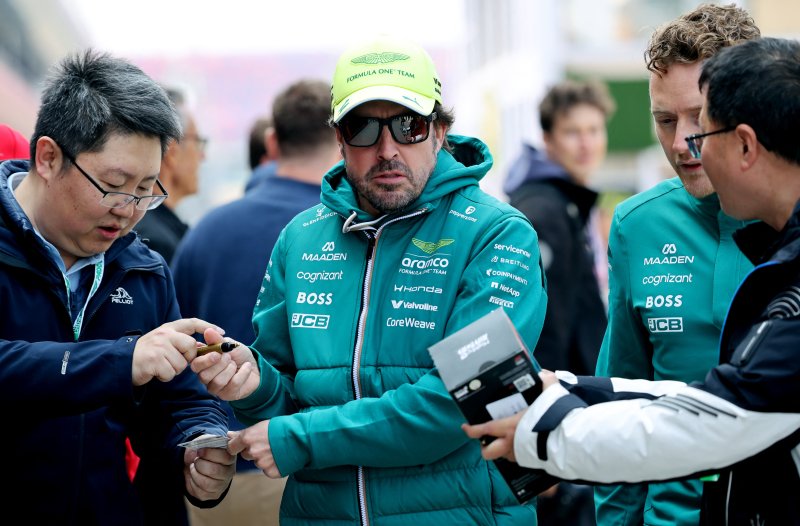
In fifth place is Fernando Alonso, the tutor to the “rich kid” Lance Stroll at Aston Martin. Alonso won the 2003 Hungarian Grand Prix at 22 years and 26 days old. He is still racing today, and I have a lot of respect for him.
From fourth to first are names every F1 fan knows. Charles Leclerc won the 2019 Belgian Grand Prix at 21 years and 10 months. Sebastian Vettel took victory at the 2008 Italian Grand Prix at 21 years and 2 months. Antonelli won in China in 2026 at 19 years and 6 months. And Max Verstappen tops the list with his 2016 Spanish Grand Prix win at just 18 years and 7 months.Eighteen years old—Verstappen really is a prodigy.
Mercedes lead by 31 points over second place... but there are still wild cards
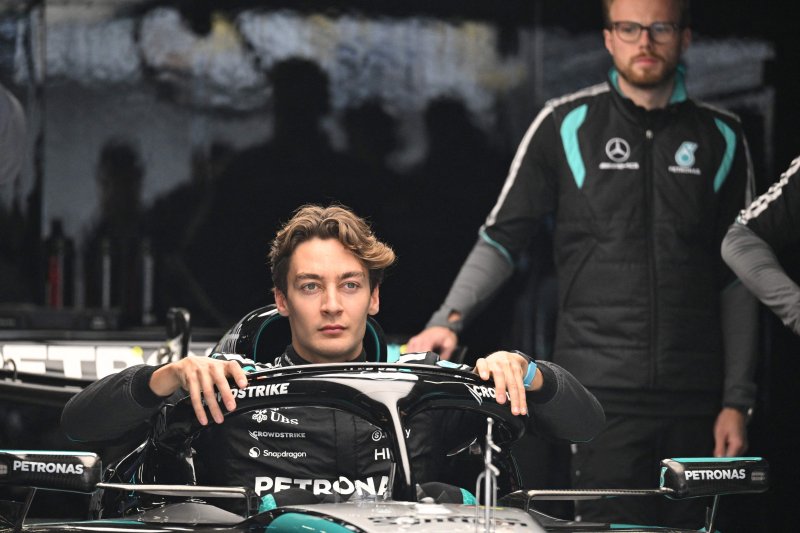
However, it is unclear how long this momentum will last. From June this year, engine inspections will become much stricter.Under the 2026 F1 regulations, this year’s engine compression ratio is capped at 16:1. The compression ratio is the ratio that shows how strongly the piston squeezes the air–fuel mixture; the higher the number, the better the power output and fuel efficiency.
Originally, the Fédération Internationale de l'Automobile (FIA) only inspected engines in a “cold” state before the race. But some in the paddock raised suspicions that certain teams had designed their engines so that the compression ratio would increase once the engine was hot. Mercedes were named as one of those teams. Team principal Toto Wolff publicly countered, saying, "That is absolutely not the case," but in the end the FIA changed the rules and will now check both cold engines and engines heated to 130 degrees.
From Mercedes’ point of view, the conclusion is clear: they need to score as many points as possible before June.Once inspections become stricter after June, no one knows how the competitive picture might change.
Another wild card is the possibility of a war between the United States of America (U.S.) and Iran. According to foreign media, the Bahrain Grand Prix and Saudi Arabian Grand Prix in April are highly likely to be cancelled due to the impact of such a conflict. Considering that a team can earn a maximum of 43 points per race, a simple calculation shows Mercedes could miss out on as many as 86 points.
Round 3 takes us to Japan. As this column enters its third year, I will try to write pieces that are a bit more analytical and insightful. I welcome all feedback. And if you spot anything that is factually incorrect, please let me know anytime!
[email protected] Kwon Jun-ho Reporter