Japan Unveils $108 Billion Investment Plan, Strengthening Energy Alliance With U.S. Through SMRs
- Input
- 2026-03-20 06:57:22
- Updated
- 2026-03-20 06:57:22
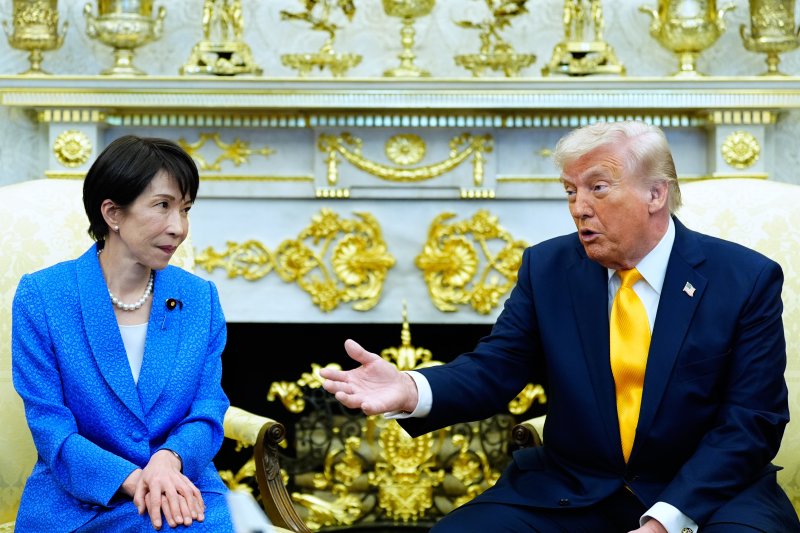
According to The Financial News, Japan has announced a second investment project in the United States worth $73 billion (about 108 trillion won), including the construction of Small Modular Reactors (SMRs).
On the 19th (local time), Kyodo News reported that the United States of America (U.S.) and Japan unveiled their second investment plan immediately after the summit. The package includes SMR construction and natural gas power plants. The total value is $73 billion, more than double the first project of $36 billion announced last month.
After the summit, Japanese Prime Minister Sanae Takaichi said, "We announced a second project that includes SMR construction," adding, "This is a very important area, given rising power demand and the situation in the Middle East."
As war in the Middle East heightens concerns over energy supply, expanding investment in nuclear power and gas has emerged as a key agenda item.
The expanded investment goes beyond simple industrial cooperation and effectively functions as part of a broader trade-and-security package. During earlier trade talks with the Trump administration, Japan agreed to invest a total of $550 billion in the U.S. in exchange for lower tariff burdens. The second project is widely seen as a follow-up implementation of that commitment.
At the summit, the two countries also discussed responses to developments in the Middle East and cooperation on energy security. Prime Minister Takaichi stated, "We agreed to maintain close communication to help achieve peace and stability in the Middle East."
However, differences emerged over the issue of protecting the Strait of Hormuz. Regarding U.S. President Donald Trump’s request to dispatch naval vessels, Prime Minister Takaichi said they had "sensitive discussions," but added, "I clearly explained what is and is not possible within the scope of Japanese law." This suggests Japan is likely to maintain a limited response rather than engage in immediate military action.
Through this summit, Japan adopted a dual-track strategy: it seeks to strengthen the alliance by expanding energy cooperation and investment in the U.S., while keeping a certain distance from military risks in the Middle East, citing legal constraints.
[email protected] Kim Kyung-min Reporter