UK holds base rate; reference to possible cuts removed
- Input
- 2026-03-20 05:33:43
- Updated
- 2026-03-20 05:33:43
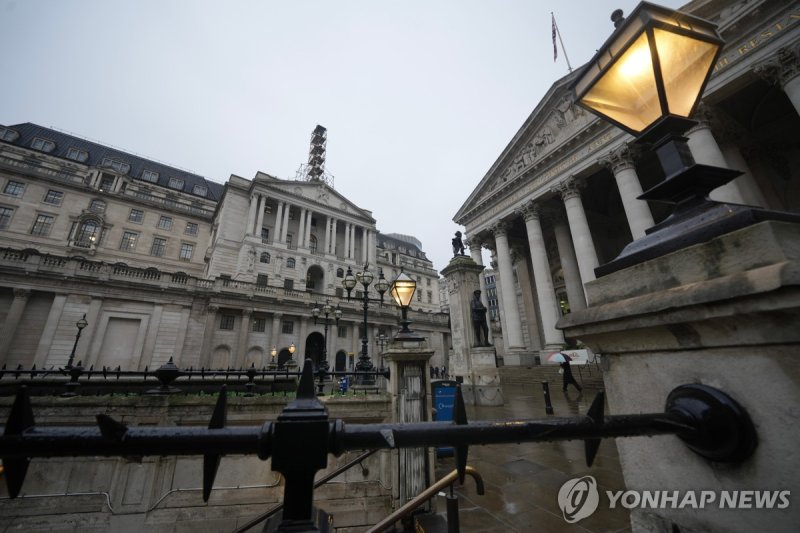
[Financial News] The Bank of England warned of a renewed wave of inflation driven by surging energy prices following the war in the Middle East and decided to keep its policy rate unchanged. However, by removing language that had signaled possible rate cuts and leaving the door open to further hikes, it sent a message to markets that its monetary stance is tilting back toward tightening.
On the 19th (local time), the Bank of England held a meeting of its Monetary Policy Committee (MPC) and left the base rate at 3.75% per year. All nine members voted in favor of holding, marking the first unanimous decision in about four and a half years.
The move was a response to renewed inflationary pressure after international energy prices spiked in the wake of the Middle East conflict. In its statement, the Bank of England said, "Monetary policy cannot control energy prices themselves, but it is intended to adjust their impact so that inflation does not deviate from the 2% target." It added, "We will closely monitor developments in the Middle East and their implications for energy supply and prices."
In particular, wording that had referred to the possibility of rate cuts, which had appeared up until last month, was removed this time. This suggests that the policy direction is shifting from easing toward tightening.
Governor Andrew Bailey said, "Rising energy prices could have a more persistent impact on consumer prices," adding, "Our task, in any circumstances, is to bring inflation back to 2%."
Comments from committee members also reflected a change in tone. Even Swati Dhingra, regarded as one of the leading doves, remarked, "If the shock to energy supply persists, rate hikes may be necessary." Catherine Mann, member of the Bank of England’s Monetary Policy Committee, likewise stated, "If the inflationary impact of this conflict proves long-lasting, the policy choice has shifted away from rate cuts toward holding or raising rates."
The Bank of England also revised its inflation outlook upward. It now expects consumer price inflation to rise to between 3.0% and 3.5% over the next two quarters. As recently as last month, it had projected that inflation would quickly return to the 2% target, but the energy price shock has significantly altered that forecast.
Financial markets reacted immediately. Right after the Bank of England’s announcement, the yield on two-year UK government bonds jumped to 4.49%, rising by as much as 0.4 percentage points. That is similar to levels seen when former Prime Minister Liz Truss’s tax-cut plans threw markets into turmoil in 2022.
Market expectations for the rate path also shifted sharply. Before the war, investors had anticipated two rate cuts within the year, but after the conflict began, they started to price in the possibility of hikes. In the interest-rate futures market, the probability of two hikes was only about half just before the announcement; afterward, two 0.25-point increases were effectively priced in, and some projections even pointed to three hikes.
Even so, Governor Bailey cautioned against overinterpretation. He said, "It is not desirable to draw definitive conclusions about rate hikes," and stressed, "For now, holding rates steady is clearly the appropriate decision."
[email protected] Kim Kyung-min Reporter