Rate cuts effectively off the table as markets disappointed by Fed’s optimism
- Input
- 2026-03-20 00:34:41
- Updated
- 2026-03-20 00:34:41
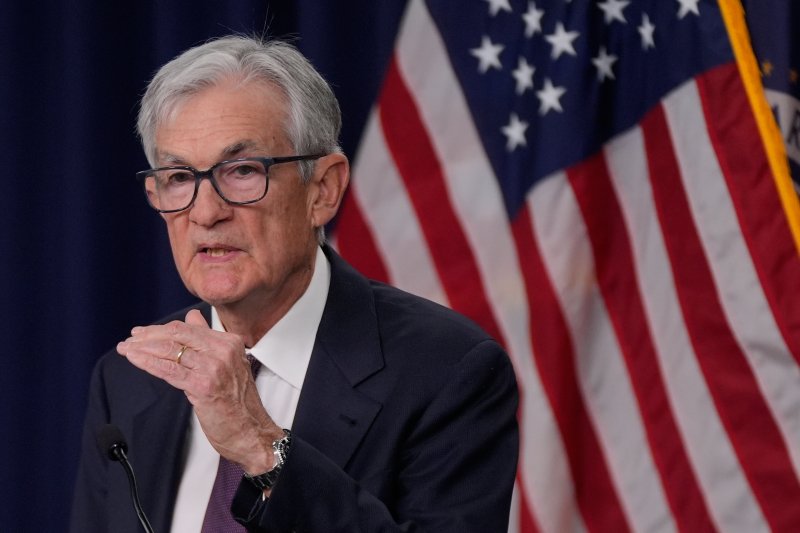
At a press conference on the 18th (local time) following the Federal Open Market Committee (FOMC) meeting, Jerome Hayden Powell, chair of the Federal Reserve System (Fed), described the current state of the economy as "solid." He maintained this upbeat view even though net job growth is hovering near zero and inflation remains above the 2% target. Powell drew a clear line on the risk of stagflation, saying, "We do not see signs of that."
Market participants, however, interpreted the message differently. Because the Fed does not appear to view the slowdown as severe, investors see little reason for it to move toward rate cuts.
In practice, expectations for rate reductions have retreated sharply. According to the CME FedWatch Tool operated by CME Group Inc., the probability of a 0.25 percentage point cut in the federal funds rate has fallen to around 17%.
By contrast, the likelihood of a rate hike has climbed back into the 8% range, re-emerging as a scenario to watch. This stands in stark contrast to the period just before the war, when markets were pricing in a total of two to three rate cuts by June, September, and year-end.
The latest FOMC statement did mention "uncertainty" related to the war involving the Islamic Republic of Iran, but Powell did not address it directly in his remarks.
With tensions in the Middle East escalating and the Fed showing no sign of adjusting policy in response, a growing view in markets is that monetary policy has limited capacity to cushion war-related economic shocks.
Despite the Fed’s upbeat assessment, stock prices actually fell. Equity index futures also weakened, underscoring a deterioration in market sentiment.
Investors, taking Powell’s comments as a whole, now see a high likelihood that the Fed will leave rates unchanged for the time being. His assessment that the economy and labor market remain in good shape, combined with an outlook for inflation to ease gradually over time, supports this interpretation.
The Fed has so far maintained policy patience on the grounds that the economy has absorbed various shocks better than expected. This time as well, Powell highlighted uncertainties such as rising oil prices and tariff effects, while still stressing a cautious, wait-and-see approach.
Markets, however, are reading this stance as "no policy change"—in other words, a continuation of the current tightening bias.
[email protected] Lee Byung-chul Reporter