From Underdogs to Global Top Stars: “BTS’s Key Challenge Is Sustainability”
- Input
- 2026-03-19 14:52:11
- Updated
- 2026-03-19 14:52:11
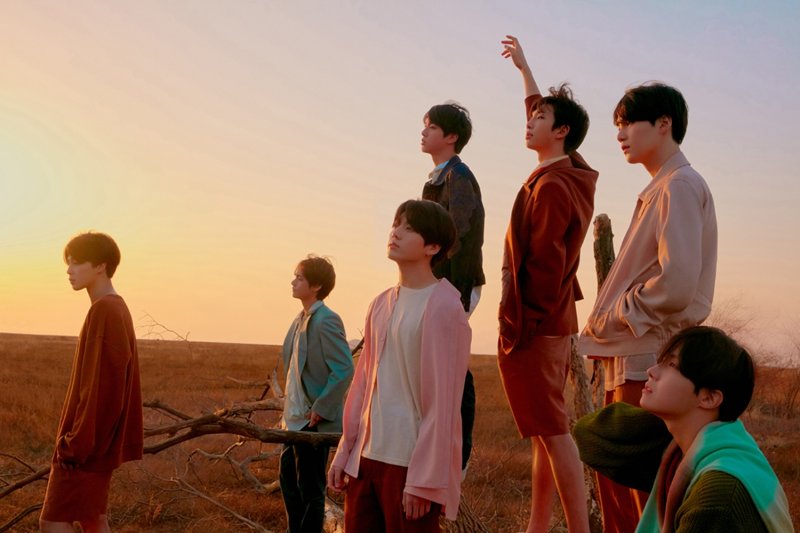
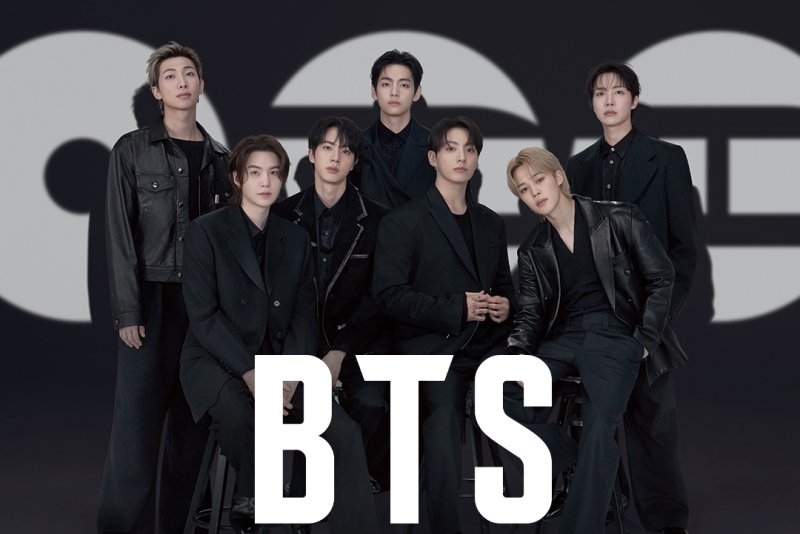
[Financial News] Originating from a small agency, BTS (Bangtan Sonyeondan) is a seven-member boy band that has become the foundation of major entertainment company HYBE, which had a market capitalization in the 15 trillion won range as of the 19th. They secured mainstream popularity with “I NEED U” (2015), entered the global market with “Blood Sweat & Tears” (2016), and reached the top of the pop charts with “Dynamite” (2020), becoming the first K-pop group to achieve true world-class status.
Debuting on June 13, 2013 with their first single “2 Cool 4 Skool,” the group built a distinctive identity through music that addressed youth, education, and social issues. In the early days, however, they were strongly perceived as a niche hip-hop group. Just like the title of their 2014 song “Danger,” they came close to failure, but as described in their 10th-anniversary documentary “BTS Monuments: Beyond the Star,” they “held on, and held on, and kept holding on” until they made a dramatic comeback with “I NEED U.”
The title track “I NEED U” from the mini album “The Most Beautiful Moment in Life, Pt. 1” was written and composed with participation from all the members, and is regarded as the starting point of their youth trilogy. From this period, their rise accelerated and coincided with K-pop distribution shifting toward social media. With “Blood Sweat & Tears,” the title track of their second full-length album “Wings,” they won the grand prize at the 2016 Mnet Asian Music Awards (2016 MAMA) and fully entered the global market.
The following year, the title track “Spring Day” (2017) from the repackage of their second full album “You Never Walk Alone” became the first song in Melon’s history to surpass 1 billion cumulative streams. In 2021, it was also ranked 37th on Rolling Stone’s list of “The 100 Greatest Songs of the 21st Century.” In particular, “Spring Day” is cited as one of the songs, along with “Dynamite,” that global fans turned to most often during the group’s hiatus.
Their presence in the global music market became unmistakable in 2017, when they beat Justin Bieber to win Top Social Artist at the Billboard Music Awards (BBMAs). The following year, with their third studio album “Love Yourself: Tear” (2018), they became the first Korean act to top the Billboard 200 albums chart. In 2020, they reached No. 1 on the Billboard Hot 100 singles chart with “Dynamite.”
BTS consistently delivered the message “love myself,” resonating deeply with their global ARMY. With “Answer: Love Myself,” which carries the idea that “sometimes loving myself is harder than loving someone else,” they launched the Love Myself campaign with the United Nations Children's Fund (UNICEF) in 2018, cementing their status as global cultural icons.
Their narrative expanded from “Love Yourself” into “Map of the Soul,” which explores the hidden sides of the self. Through “Map of the Soul: Persona” and “Map of the Soul: 7,” they deepened this inner storytelling. During the COVID-19 pandemic, they delivered positive energy and comfort worldwide with songs such as “Dynamite,” “Butter,” “Permission to Dance,” and “Life Goes On.”
BTS also experienced internal conflict as they achieved far greater success, and in a much shorter time, than anyone had expected. RM once recalled that difficult period by mentioning “Fake Love,” a song about losing oneself while trying to hold on to love. Paradoxically, going through the crisis of COVID-19 gave them new opportunities and strengthened their bond. In their ninth year since debut, they decided to temporarily pause group activities to catch their breath and seek a more sustainable path forward.
Leader RM cites “sincerity” as the key factor behind BTS’s success. In the documentary, he said, “It’s hard to put into words the special sentiment we have, but the closest word in the end is ‘sincerity,’” adding, “When that sincerity gets through, nationality, age, and gender don’t really matter.” He went on, “Rather than us being special, the reason we’ll be remembered in history is that, in step with the times, we were able to draw out people’s genuine feelings all around the world.”
Music critic Kim Seong-hwan pointed to “sustainability” as the core challenge for BTS. He noted, “There are not many boy bands that have lasted for a very long time, so simply existing for a long time is important in itself,” and continued, “Along the way, the key will be maintaining a balance between solo and group activities, and preserving a musical identity that makes people say, ‘This is what BTS’s music is.’” He added, “BTS is a team with strong teamwork and bonds among the seven members, and going through military service likely made them feel even more strongly how much they need one another.”
Meanwhile, BTS is the first K-pop group ever to be nominated for the Grammy Awards, and they are the youngest recipients of South Korea’s Hwagwan Order of Cultural Merit.
[email protected] Shin Jin-a Reporter