"A New Phase Begins": Iran Escalates Energy Retaliation
- Input
- 2026-03-19 05:22:29
- Updated
- 2026-03-19 05:22:29
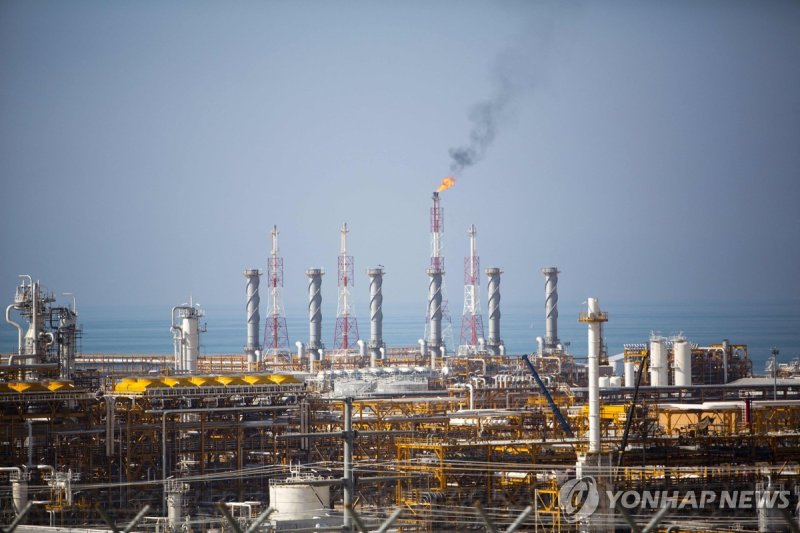
The Financial News, New York City – Lee Byung-chulIran is fiercely protesting airstrikes on its energy infrastructure, pushing the Middle East energy conflict into a new phase. As retaliation targeting the global energy supply chain materializes, instability in international energy markets is spreading rapidly.
On the 18th (local time), Iranian President Masoud Pezeshkian strongly condemned attacks on the country’s key energy facilities via the social media platform X (formerly Twitter), warning, "This attack will further complicate the situation and could lead to uncontrollable consequences that sweep across the entire world."
He went on to say, "Such attacks will bring no benefit whatsoever to our enemies, the United States of America (US) and Israel," hinting at the possibility of retaliation.
His remarks came shortly after airstrikes by the US and Israel hit the South Pars gas field, Iran’s largest gas field. Iranian state television reported that blocks 3, 4, 5, and 6 of the South Pars gas field were struck by US and Israeli attacks, causing fires at the facilities and forcing operations to halt.
Iran’s political leadership has also taken a hard-line stance. Mohammad-Bagher Ghalibaf, Speaker of the Parliament of Iran, declared an "eye for an eye" style retaliation after the attack on the energy facilities, stating that "a new phase of confrontation has begun."
In fact, Iran on this day launched a missile strike targeting a cluster of gas facilities in Qatar, which accounts for about 20% of global Liquefied Natural Gas (LNG) supply.
According to the Ministry of the Interior of Qatar, the Iranian attack triggered a fire at a key gas facility located in Ras Laffan Industrial City, an industrial hub on Qatar’s northern coast.
Qatar’s state-owned energy company QatarEnergy stated that the attack caused "extensive damage" to its gas facilities.
pride@fnnews.com Reporter Lee Byung-chul Reporter