Turning Away Allies, Watching Close Aides Leave... A Lonely Trump [Kim Kyung-min’s Timely Hit]
- Input
- 2026-03-18 14:24:13
- Updated
- 2026-03-18 14:24:13
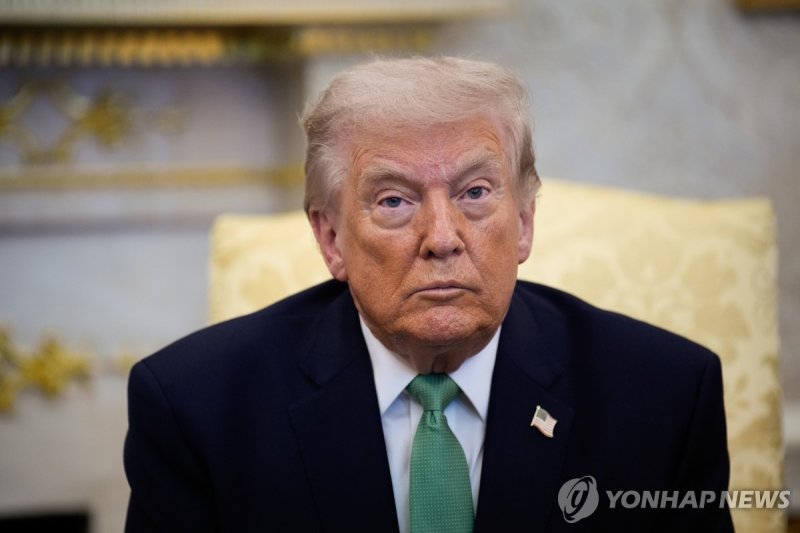
[Financial News] U.S. President Donald Trump now faces a major test of leadership as allies peel away and internal resistance mounts over the war against Iran. His plan to form an allied coalition to break Iran’s blockade of the Strait of Hormuz has effectively collapsed, while a key national security official has resigned after openly denouncing the war’s legitimacy. Trump is becoming increasingly isolated both diplomatically and within his own administration. On top of this, Iran’s strategy for a prolonged confrontation is taking hold, rapidly narrowing Trump’s room for maneuver.
Failed Pressure on Allies, ‘Hormuz Coalition’ Falters
On the 17th (local time), Trump wrote on his social media platform Truth Social, "We have achieved such significant military success that we neither need nor want the support of North Atlantic Treaty Organization (NATO) member states anymore." He went on, "We never needed that support in the first place," adding, "The same goes for Japan, Australia, and South Korea." His comments are being read both as an expression of frustration over allies’ repeated refusals to send troops and as a signal of a shift in strategy.
The United States had been pushing to form an International coalition for the protection of the Strait of Hormuz, asking European and Asian allies to dispatch warships under the banner of ensuring safe navigation through the waterway. The strait is a vital chokepoint through which about 20% of the world’s seaborne crude oil passes. Washington has used major countries’ dependence on energy supplies as leverage to press them to join.
However, most European members of the North Atlantic Treaty Organization (NATO), along with key U.S. allies such as South Korea, Japan, and Australia, have gone beyond mere caution and effectively made clear that they will not participate militarily. The European Union (EU) stated, "No one is prepared to send their own citizens into harm’s way in the Strait of Hormuz." France likewise drew a line, saying, "We are not a party to this conflict."
The allies’ reasoning is straightforward. If they accept Washington’s request, they will be directly drawn into the Middle East conflict and forced to shoulder a complex set of risks, including surging oil prices, disruptions to maritime logistics, and heightened terrorist threats, while gaining only limited tangible benefits. In particular, there is a strong perception that this operation was triggered by a U.S.-driven initiative, which has fueled resistance to what is seen as Washington trying to shift the risks onto others.
Against this backdrop, Trump’s declaration that he "does not need" allied support is widely interpreted as an admission that he has failed to secure their participation and is now pivoting to a U.S.-only response. Yet such a shift also means that the United States will have to bear the financial and strategic costs of the war on its own, significantly increasing the burden on Washington.
Cracks in MAGA: Is Control of the War Slipping?
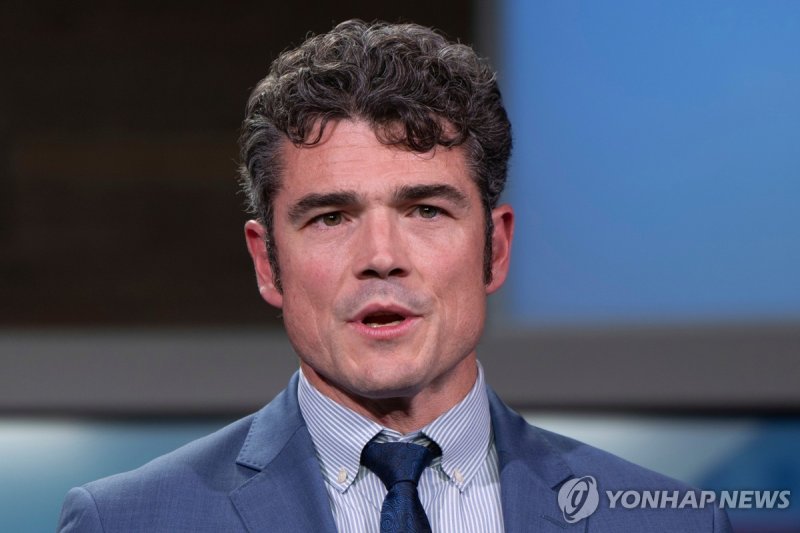
The shock from inside the administration is even greater than the external snubs. Joe Kent, director of the National Counterterrorism Center (NCTC) and a senior security official in the Trump administration, has abruptly tendered his resignation while openly breaking with the war. Kent said, "As a matter of conscience, I cannot support the ongoing war in Iran," adding, "Iran did not pose an imminent threat to the United States." He argued, "This war stems from flawed judgment and has been driven under specific political pressures," and warned, "The belief that Iran is an imminent threat and that a swift victory is possible if we strike now repeats the same mistakes we made in the Iraq War."
Kent has long been seen as part of Trump’s core base of support, which makes his resignation especially symbolic. The New York Times (NYT) noted, "Kent is not a typical anti-war critic; he has until now been an unabashedly pro-Trump figure. His move suggests new cracks are opening up among MAGA movement supporters."
Trump pushed back, saying, "He is a very weak figure on security issues." Even so, many observers expect that such open defiance from a key insider will sap momentum from the administration’s war policy.
Within the White House, there is growing concern that control of the war is gradually shifting into Iran’s hands. Iran is leveraging the Strait of Hormuz as a bargaining chip in a long-term strategy, combining control over maritime traffic with asymmetric attacks. After laying naval mines, Tehran has further increased pressure on Washington by negotiating with certain countries to allow passage only for oil tankers settled in Chinese yuan.
[email protected] Kim Kyung-min Reporter