BTS Comeback: 'Return of the Kings,' a "Powerful National Branding Event"
- Input
- 2026-03-19 10:36:50
- Updated
- 2026-03-19 10:36:50
\r\n
\r\n
\r\n
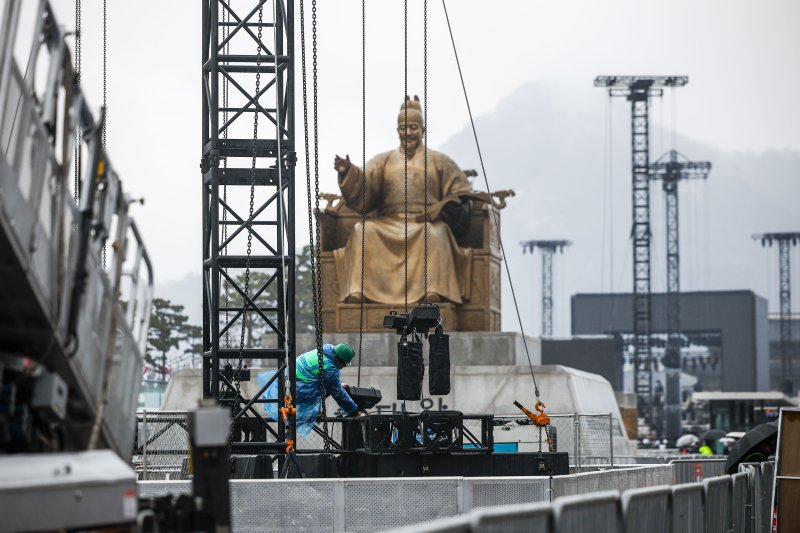
According to The Financial News, BTS will turn all of Seoul into a massive festival with the release of their fifth full-length album "Arirang," their first in three years and nine months. As overseas fans arrive one after another to see the show, the Gwanghwamun area has effectively become a pilgrimage site, and expectations are rising for "BTSnomics," a term describing the cultural and economic ripple effects of their comeback show.■ Gwanghwamun performance turns the entire city into a stageAfter all members completed their military service last year, BTS will release "Arirang" on the 20th and then hold a free comeback performance, "BTS Comeback Live: Arirang," at 8 p.m. on the 21st at Gwanghwamun Square in Seoul.
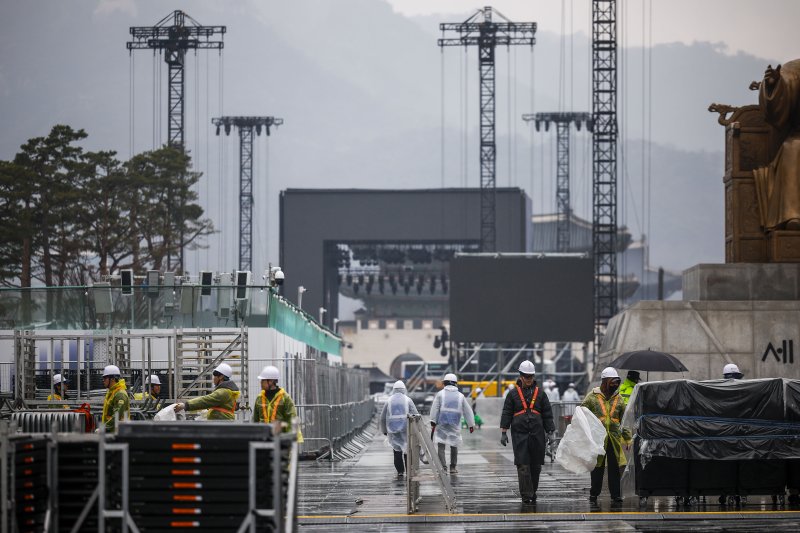
\r\nWith Gyeongbokgung Palace as a backdrop, a massive black box stage, dubbed the "BTS Arch of Triumph," has been erected in the center of the square. A "King's Road" performance is planned, starting at Geunjeongmun Gate of Gyeongbokgung Palace, passing through Heungnyemun Gate, and leading into Gwanghwamun Square. Seating, including additional standing areas along Sejong-daero, will accommodate about 22,000 people in total. With large LED screens broadcasting the show, up to 260,000 people are expected to gather.
This performance is both a comeback stage set in the symbolic space of Gwanghwamun and a global event that will be broadcast live via Netflix to more than 190 countries and regions. As Netflix's first live broadcast of a concert by a single artist, it is being seen as proof of the expanding reach of the K-pop industry.
Linked to the concert, a citywide content and tourism project titled "BTS The City: Arirang in Seoul" will unfold across the capital. Programs include media facade shows at Sungnyemun Gate (Namdaemun) and N Seoul Tower at 7 p.m. on the 20th, a drone light show at Ttukseom Hangang Park at 8:30 p.m. the same day, music light shows at Dongdaemun Design Plaza (from the 20th to April 12) and the Moonlight Rainbow Fountain on Banpo Bridge (21–22), and the "Love Song Lounge" at Yeouido Hangang Park (20–22). These events will turn the entire city into an immersive, experiential platform. The Seoul Metropolitan Government is responding to the influx of global fans with landscape lighting at 15 major landmarks, including Some Sevit and Cheonggyecheon Stream, welcome messages in seven languages, and K-pop-themed tour courses.
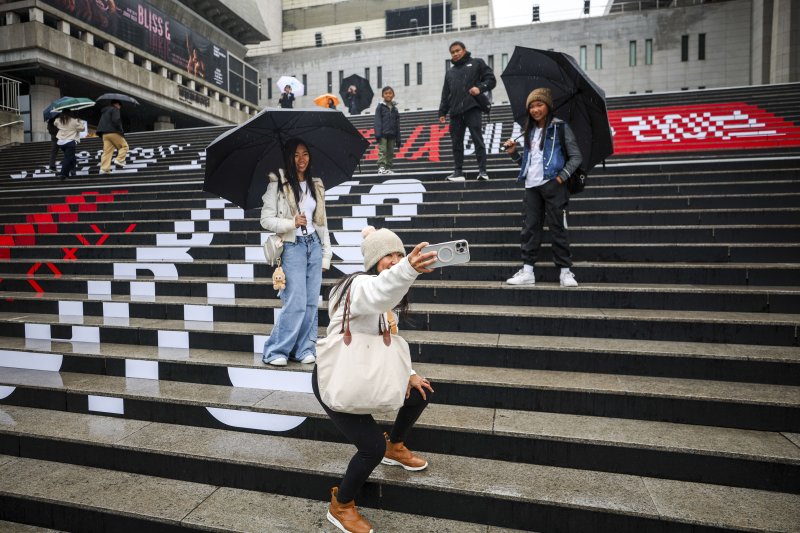
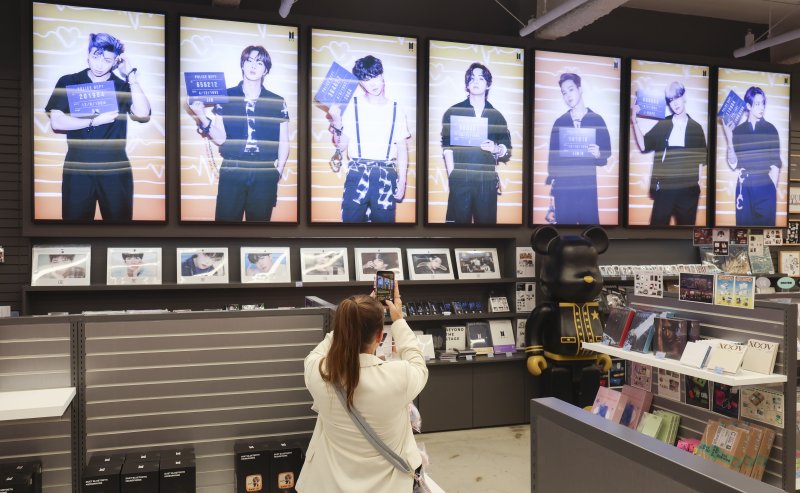
In particular, Gwanghwamun and Gyeongbokgung Palace are spaces layered with tradition, history, memories of colonial rule, and citizens' aspirations for democracy. Attention is focused on whether this concert will transform the area into a venue of unity through culture that transcends politics and ideology. Observers are also watching to see whether the Gwanghwamun district can establish itself as a global K-pop landmark comparable to Abbey Road for The Beatles in the United Kingdom (UK).■ Merchandise frenzy and 3 trillion won in economic impactDowntown Seoul is already heating up with fandom fever ahead of the comeback. Measures have been put in place to prevent fans without tickets from camping out the night before the show. Myeong-dong is buzzing thanks to the "BTS effect," and the area around HYBE's headquarters in Yongsan District is packed with fans from around the world. The merchandise market is also booming. The ARMY Bomb light stick is in such short supply that its price has climbed to as high as 300,000 won on limited-edition trading platform KREAM.
\r\nAccording to secondhand marketplace Bungaejangter on the 19th, searches for "ARMY Bomb" in March jumped 438% from the previous month, while transaction volume rose 136%. The boom is also expected to spill over into cultural heritage consumption. The Cultural Foundation of the National Museum of Korea has unveiled MU:DS (Museum Goods), a line of cultural products created in collaboration with BTS, and the Korea Cultural Heritage Foundation has also released products tied to "Arirang."
The impact of this comeback goes far beyond simply selling out a concert. Kim Yu-hyeok, an analyst at IBK Securities, estimated that BTS will generate about 2.9 trillion won in revenue from albums, tours, merchandise, and more. Including spending on tourism, accommodation, transportation, and dining, the total economic effect is expected to exceed at least 3 trillion won.
\r\n"This comeback is more than just a resumption of activities; it is an opportunity to expand the revenue structure of the K-pop industry," Kim said. He added, "Exposure on global platforms will accelerate the inflow of new fans."
Lee Byung-min, a professor in the Department of Cultural Contents at Konkuk University, also stated, "Holding a concert in Gwanghwamun, a nationally symbolic space, and broadcasting it live around the world is a powerful national branding event." He noted, "The city of Seoul itself is being consumed as global content." He went on, "Gwanghwamun is a space with the historical meaning of a 'King's Road,' and when combined with the traditional motif of 'Arirang,' it creates a symbolic scene where tradition and modernity, local and global, intersect." He assessed, "BTS's return can be interpreted as the 'return of the kings' of contemporary popular culture."
\r\nReferring to the Netflix live broadcast, he added, "This shows that K-pop has moved from a peripheral culture into the global mainstream," and analyzed, "This event is highly likely to lead not only to short-term consumption but also to long-term tourism demand."
\r\nThe remaining challenge now is to ensure the event is managed safely. If it is carried out successfully, it is expected to become a turning point in establishing an urban festival model built around major K-content.
\r\n
jashin@fnnews.com Shin Jin-ah Reporter