Iran’s ‘RMB-Only’ Passage Rule: A New Strait of Hormuz Control System?
- Input
- 2026-03-18 11:19:49
- Updated
- 2026-03-18 11:19:49
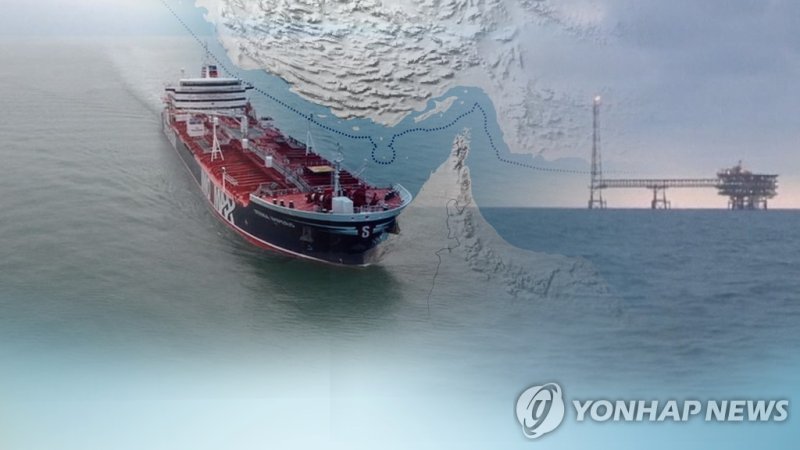
[Financial News] The Islamic Republic of Iran has effectively shut down the Strait of Hormuz, a key chokepoint for global crude shipments, while reportedly negotiating with several countries to allow passage only for oil tankers whose cargo is settled in Renminbi (RMB).
Cable News Network (CNN) reported on the 17th (local time), citing Iranian intelligence sources, that Tehran is in contact with around eight countries on a framework that would permit transit for ships carrying oil traded in RMB. The specific list of countries has not been disclosed.
According to the source, the Islamic Republic of Iran is also reviewing a broader scheme that would give it more comprehensive control over maritime traffic, in addition to the strait closure measures already in place.
Earlier, following airstrikes by the United States of America (US) and Israel, the Islamic Republic of Iran moved to block navigation through the Strait of Hormuz and warned that vessels belonging to the US, Israel, and their allies would be treated as targets. Subsequent attacks on several ships have further heightened tensions.
Western intelligence agencies believe the Islamic Republic of Iran has already begun laying naval mines in the strait, making the prospects for a return to normal traffic even more uncertain.
Mohammad Bagher Ghalibaf, speaker of the Iranian parliament, wrote on X (formerly Twitter) that "the situation in the Strait of Hormuz cannot return to what it was before the war."
Despite the tensions, some countries’ vessels have managed to transit the strait under Iranian control.
A Pakistan-flagged oil tanker sailed along the Iranian coastline on the 15th, passed through the Strait of Hormuz, and entered the Gulf of Oman. A day earlier, on the 14th, two Republic of India-flagged liquefied petroleum gas (LPG) carriers exited the strait via the same route, and a Republic of The Gambia-flagged cargo ship also made the passage. Foreign ships hugging the Iranian coastline in this way are seen as highly unusual.
Harrison Prétat, a researcher at the Center for Strategic and International Studies (CSIS), assessed that "use of specific routes at the moment appears to be linked to authorization by Iranian authorities."
This has fueled speculation that the Islamic Republic of Iran is operating a de facto control regime in the Strait of Hormuz: it threatens major existing shipping lanes with drones, missiles, and naval mines, while opening separate corridors for vessels from friendly countries.
Natasha Kaneva, an analyst at JPMorgan Chase & Co., noted, "This is not an official closure of the strait, but a new control system is emerging in which passage is determined by political agreements."
[email protected] Kim Kyung-min Reporter