"What Should We Do About Our Kids?" Childcare Centers Hit by Multi-Homeowner Regulations Shut Down in Droves
- Input
- 2026-03-19 14:55:49
- Updated
- 2026-03-19 14:55:49
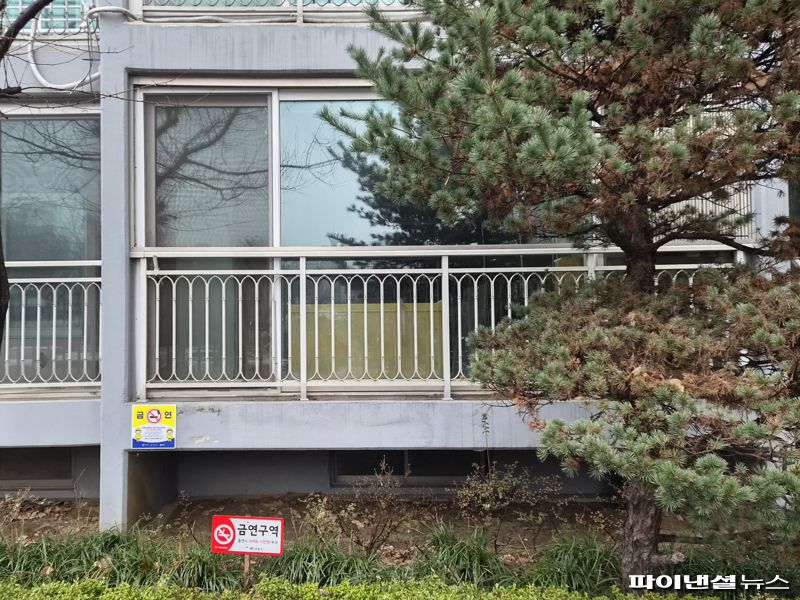
Since the government announced plans to tighten regulations on multi-homeowners and owners of non-residential properties, home-based childcare centers operating in apartment units have been closing one after another.
A Financial News investigation on the 19th found numerous cases across the greater Seoul area, including Seoul, Gyeonggi Province and Incheon Metropolitan City, where home-based childcare centers facing lease renewal were told by landlords to vacate or accept higher rents.
This shift came after President Lee Jae-myung confirmed in February that the temporary easing of heavy capital gains tax on multi-homeowners will end on May 9, and announced a policy to encourage the sale of non-residential homes.
Home-based childcare centers typically operate by having the director lease a first-floor apartment unit and care for about 5 to 20 infants and toddlers there. Recently, however, landlords have been pushing out childcare operators to move in themselves, or raising rents to reduce their tax burden.
One home-based childcare center in an apartment complex in Seongdong District, Seoul, which had been in operation for over 20 years, decided to close as its lease renewal approached at the end of this month. The landlord demanded a 500,000 won increase in monthly rent, but the two sides failed to reach an agreement. The unit is now on the market for a 100 million won deposit with 3.5 million won monthly rent, or for sale at 2.7 billion won.
Although these centers are located inside apartment buildings, they are classified as business premises and therefore are not covered by the Housing Act. Because the 5% cap on rent increases under the so-called three major lease protection laws does not apply, it is difficult to curb landlords’ demands. At the same time, landlords who lease to home-based childcare centers are classified as owning non-residential housing.
A director identified as A, who has run a childcare center in Incheon Metropolitan City for six years and currently cares for 20 children, is in a similar situation. With the lease set to expire in May, A was asked by the landlord to vacate this month so the owner could move in.
A is trying to relocate nearby, but there are almost no rental listings within commuting distance for the current children, making the move extremely difficult. "It feels like the policy changes are pushing homeowners to sell quickly," A said, adding, "I am in a bind, but what worries me more is that the children will have nowhere to go."
In another case, a director identified as B closed a childcare center for the same reason and ended up taking a job at a different center.
Because many closures are coinciding with the start of the new school year in March, anxiety is mounting among parents who suddenly have nowhere to send their children. One parent wrote on social media, "The childcare center my baby attended is closing because the landlord suddenly said they’re moving in." Another parent responded, "They said cracking down on multi-homeowners would stabilize housing prices, but it’s innocent people who are getting hurt."
Ko Jun-seok, a chief professor at the Sangnam Institute of Management, Yonsei University, noted, "Home-based childcare centers are businesses, but they are located in multi-family housing, so the legal framework is ambiguous." He pointed out, "They are effectively in a blind spot, as it is hard for them to claim renewal rights under the Commercial Building Lease Protection Act, and they are also excluded from the rent cap provisions that apply to residential leases under the Housing Lease Protection Act."
[email protected] Reporter Choi Ga-young Reporter