Anthropic hires weapons experts to "block AI-powered lethal weapons" [Global AI Briefing]
- Input
- 2026-03-18 09:22:02
- Updated
- 2026-03-18 09:22:02
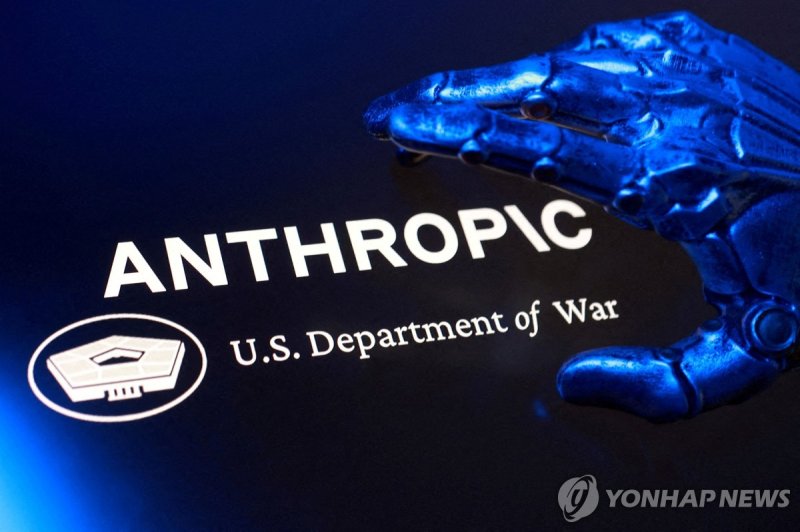
On the 17th (local time), the British Broadcasting Corporation (BBC) reported that Anthropic had posted job openings for people with expertise in chemical weapons, high explosives, and radiological weapons, also known as "dirty bombs." Anthropic described the move as "a measure to prevent AI from generating or advising on information related to dangerous technologies in the first place."
The recruitment drive is seen as reflecting growing concern that the spread of generative AI is making it easier for ordinary users to access information on weapons manufacturing. Anthropic is particularly wary that misuse of its models could facilitate the development of weapons of mass destruction and similar threats.
OpenAI has taken similar steps. The company is also hiring experts who study biological and chemical risks, and some of these positions reportedly offer annual salaries of around 450,000 dollars, or roughly 669 million won.
By 2028, 80% of governments worldwide will automate administrative decisions with AI agents
IT research firm Gartner predicted that by 2028 at least 80% of governments around the world will deploy AI agents to automate routine administrative decision-making.In a report released on the 17th, Gartner said the public sector will actively adopt automation systems based on AI agents to improve administrative efficiency and service speed. An AI agent is a software system that analyzes data to carry out goals and either support or directly execute decisions.
The report noted that governments are shifting repetitive, rule-based administrative tasks—such as handling civil complaints, processing approvals, and conducting regulatory checks—to AI systems. This is expected to speed up workflows at public institutions and reduce staffing burdens. At the same time, it stressed that as AI becomes directly involved in administrative decision-making, ensuring transparency and accountability is emerging as a key challenge. Accordingly, it forecast that by 2029, 70% of government agencies will be required to adopt Explainable Artificial Intelligence (XAI) and human oversight frameworks for automated decisions that affect citizen services.
Explainable Artificial Intelligence and human-in-the-loop frameworks are mechanisms that make it possible to see the logic behind an AI system’s decisions and, when necessary, verify or challenge them. Such structures are considered essential to ensuring the reliability of AI-driven decisions in the public sector.
AI boom triggers sharp stock drop in India, the "IT outsourcing powerhouse"
Indian tech stocks are plunging amid fears that artificial intelligence (AI) will replace India’s 300 billion dollar outsourcing industry, worth about 446 trillion won. The sell-off echoes the sharp drop previously seen on the Nasdaq Stock Market (NASDAQ), led by major software companies, after forecasts that Anthropic’s agent Claude could automate key legal, compliance, and data-processing work.On the 17th, the BBC reported that selling pressure on Indian tech stocks is continuing as part of a broader global correction in traditional software and IT shares triggered by AI. It noted that this downturn began even before market jitters over geopolitical uncertainty related to a possible U.S.-Iran war, and argued that it carries particular significance for India.
Over the past 35 years, India’s software industry has created millions of white-collar jobs and helped build a new middle class with high aspirations and strong purchasing power.
Global investment bank Jefferies said in a report that revenue growth at Indian IT outsourcing firms—earned from clients such as banks and oil companies for software operations, maintenance, bug fixes, and updates—is expected to fall by 3% over the next five years and then stagnate after 2031.
cafe9@fnnews.com Lee Gu-soon Reporter