Trump names Cuba as next target after Iran, says "I will take over Cuba"
- Input
- 2026-03-17 11:19:07
- Updated
- 2026-03-17 11:19:07
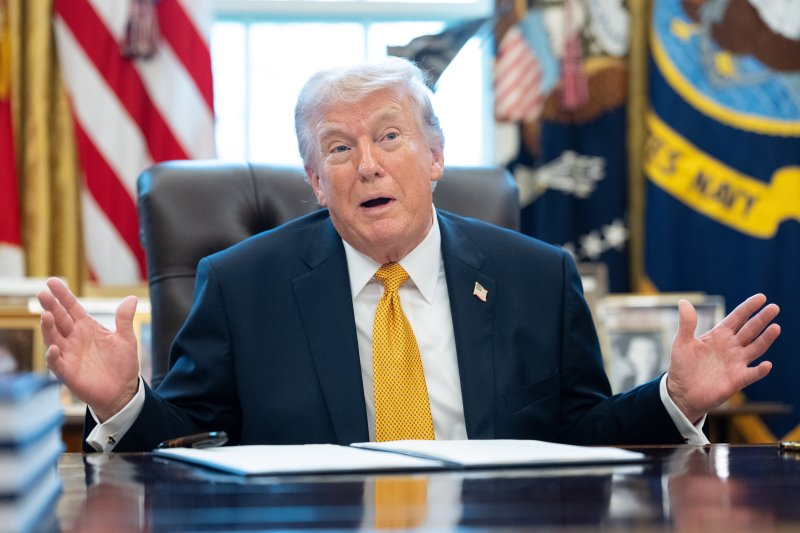
[Financial News] After attacking Venezuela in January and the Islamic Republic of Iran in February, U.S. President Donald John Trump has now declared that he could "take over" Cuba. With Venezuelan oil supplies cut off, Cuba is facing such severe difficulties in running the country that nationwide power outages are occurring.
Aiming for regime change in Cuba after Venezuela and the Islamic Republic of Iran
According to U.S. political outlet Politico, Donald Trump told reporters at The White House on the 16th (local time), "I think the end is near for Cuba." He added, "All my life I have heard about the United States and Cuba. When will the United States finally do it? I believe I will have the honor of taking over Cuba." When asked what he meant by taking over Cuba, he replied that the United States would intervene "in one way or another." He went on, "Taking over Cuba, whether I liberate it or acquire it, I think I can do whatever I want with Cuba. They are in a very weakened state right now."Since taking office last year, Donald Trump has shown open hostility toward the Cuban government, and after attacking Venezuela in January and capturing President Nicolás Maduro Moros, he has openly insisted that he will take over Cuba. On January 11, he wrote on social media platform Truth Social, "For a long time, Cuba received massive oil and financial support from Venezuela and, in return, provided security services to Venezuela, but that is no longer the case." He then "strongly urged" Havana to come to the negotiating table "before it is too late." On the same day, he responded "Good idea" to a social media post suggesting that U.S. Secretary of State Marco Antonio Rubio, who comes from a Cuban immigrant family, could become the next president of Cuba.
On the day before the invasion of the Islamic Republic of Iran, the 27th of last month, Donald Trump told reporters that he was discussing options for a friendly takeover of Cuba. On the 4th of this month, he again predicted that Cuba would "collapse" like the Islamic Republic of Iran, stressing, "Cuba could only get oil and money from Venezuela, but we have cut all of that off." He added, "They want to negotiate."
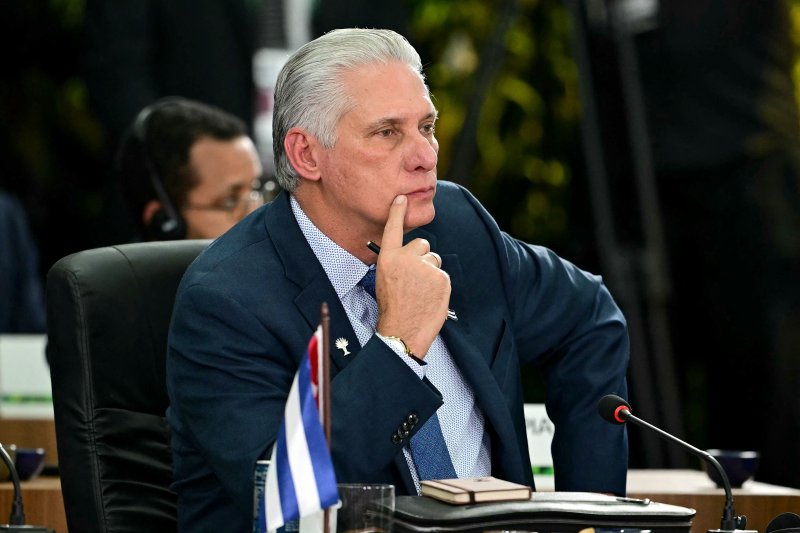
Cuba enters talks as power shortages trigger blackouts
Since its establishment in 1959, Cuba's socialist government has been at odds with the United States for about 67 years, but after President Miguel Díaz-Canel took office in 2018, Havana actively sought to normalize relations with Democratic administrations in Washington. Donald Trump and the Republican camp, however, oppose such moves. On the 13th, Díaz-Canel revealed, without specifying the date, that he had already held a closed-door meeting with U.S. officials.In connection with this, The New York Times (NYT) reported on the 16th, citing four sources, that the Trump administration wants Díaz-Canel removed from power and has conveyed this position to the Cuban negotiating team. According to the sources, the Trump administration regards Díaz-Canel as a hard-liner toward the United States and believes he will not carry out the economic reforms Washington is demanding. Over the past five years, more than two million Cubans have left the country, citing economic hardship and other reasons.
On the same day, Cuban Deputy Prime Minister Oscar Pérez-Oliva Fraga told National Broadcasting Company (NBC), "Cuba is willing to establish flexible commercial relations not only with U.S. companies but also with Cubans living in the United States and their descendants."
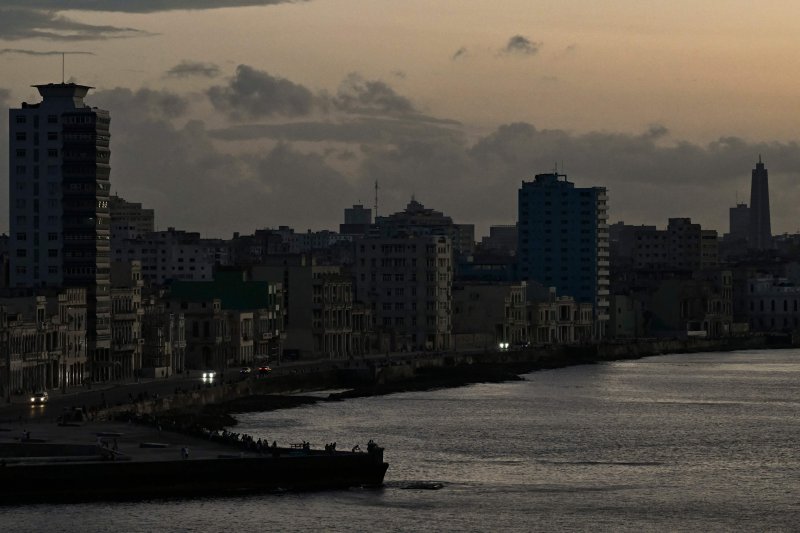
Meanwhile, Cuba, which had been sourcing oil from Venezuela and Mexico, has been suffering from severe power shortages after those countries halted supplies under U.S. pressure. Earlier, Díaz-Canel said that oil supplies to the entire island had been cut off for more than three months, and that electricity was being generated only by solar power, natural gas and a few thermal power plants.
On the 16th, the Ministry of Energy and Mines of Cuba announced on social media that there had been a "complete disruption" of the national power system and said it was investigating the cause. The Cuban Electric Union (UNE) also confirmed that the power system had gone down entirely. The utility explained that the blackout occurred due to "a total shutdown of the national power grid" and said emergency restoration work was under way.
[email protected] Park Jong-won Reporter