Japan weighs curbs on land purchases near JSDF facilities
- Input
- 2026-03-17 09:58:45
- Updated
- 2026-03-17 09:58:45
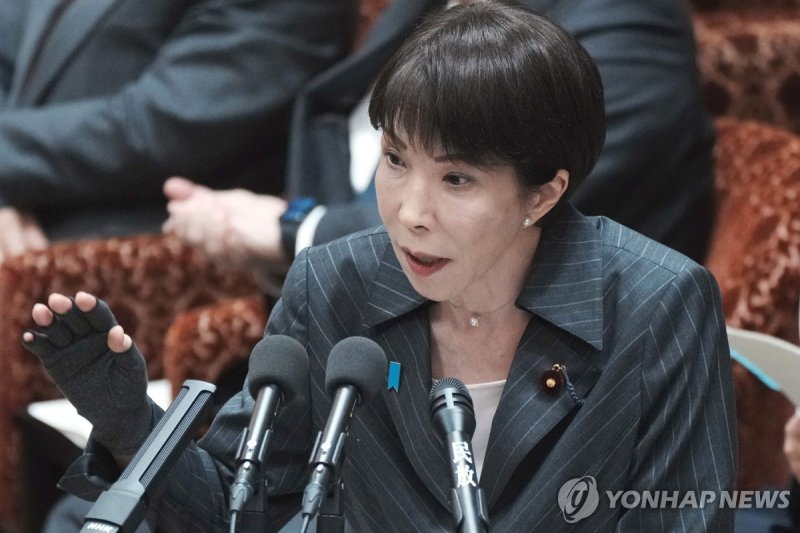
Tokyo, The Financial News — The Asahi Shimbun reported on the 17th that the Japanese government is considering measures to restrict the acquisition of land around Japan Self-Defense Forces (JSDF) facilities and other sites related to national security. The government initially sought to regulate land purchases by foreigners, but it is now moving toward applying the same rules to both Japanese and foreign nationals, without distinction by nationality. It plans to finalize how to revise the legal framework and the specific content of the regulations after discussions with experts and the ruling party.
According to multiple government and ruling party officials, the plan to tighten rules on land acquisition is being examined as part of Prime Minister Sanae Takaichi’s broader push to strengthen policies on foreign nationals.
In the basic policy on foreign nationals compiled by the government in January this year, it was noted, "If we do not impose prior controls on certain land acquisitions, there is a risk that national security could face irreparable consequences, and it is necessary to identify the problems." Prime Minister Takaichi has instructed cabinet ministers to carry out a related review.
Internal reviews within the government and the ruling party found strong views that regulations targeting only foreigners would be difficult to introduce because of their implications for international agreements. Officials also judged that applying the same rules regardless of nationality would make it possible to regulate land purchases by Japanese individuals or companies that are under the influence of foreign nationals or foreign firms.
At present, the Land Use Regulation Act allows the government to survey how land around facilities important to national security is being used and to issue orders, backed by penalties, against activities that undermine those facilities’ functions.
However, this law does not restrict the acquisition of land itself. The government is expected to push for the introduction of new regulations by considering either amendments to the act or the creation of a new law during an extraordinary Diet session this autumn or the regular session next year.
Some within the government and the ruling party expect the United Kingdom to serve as a model. In the United Kingdom, authorities review real estate transactions that could pose a threat to national security, without distinguishing between citizens and foreigners. If a transaction is deemed risky, they can order it to be halted, among other measures.
The government plans to study regulatory methods and the categories of land to be covered, drawing on overseas examples, and to have the basic framework of the system in place by this summer.
[email protected] Seo Hye-jin Reporter