Germany: "No Participation in Hormuz Operation... This War Is Not a NATO War"
- Input
- 2026-03-17 01:21:51
- Updated
- 2026-03-17 01:21:51
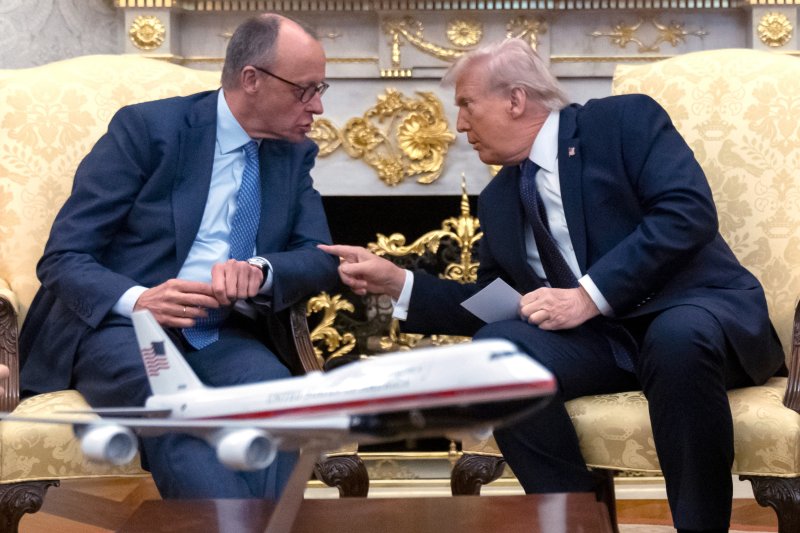
Stefan Kornelius, spokesperson for German Chancellor Friedrich Merz, told reporters in Berlin on the 16th (local time), "This war has nothing to do with NATO" and "It is not a NATO war." He stressed that "NATO is a defensive alliance and an alliance for the defense of its members’ territory."
A day earlier, President Donald Trump had warned that NATO allies who refuse to take part in the operation to secure the Strait of Hormuz would face a "very bad future," increasing pressure on European countries to join. The Strait of Hormuz is a key maritime chokepoint through which about 20% of the world’s crude oil shipments pass.
The German government, however, made it clear that it will not participate in any military operation to secure the strait while the war continues.
Spokesperson Kornelius stated, "As long as the war continues, there will be no form of involvement," adding, "We will not take part in any plan to maintain the Strait of Hormuz by military means." He also noted that the German government has never received an official request from the US administration to join such an operation.
Germany has also raised questions about how the war began. Kornelius pointed out, "The United States of America and the State of Israel did not consult us before the war," and added, "Washington, D.C. made it clear in the early stages of the war that it neither needed nor wanted European support."
In the early phase of the conflict, Chancellor Friedrich Merz was relatively more supportive of US and Israeli military actions than many other European leaders. While some, including French President Emmanuel Macron, criticized US and Israeli airstrikes as illegal, Merz visited the White House and said he held the "same position" as President Donald Trump on the need for regime change in the Islamic Republic of Iran.
However, as the war drags on, concern is mounting within Germany. As Europe’s largest economy, Germany is highly exposed to potential disruptions in Middle East energy supplies and to the broader rise in global economic uncertainty.
Officials around Chancellor Friedrich Merz are particularly questioning whether President Donald Trump has a clear exit strategy to bring the Persian Gulf war to an end.
Kornelius said, "Germany, in principle, agrees with the goal of achieving a peaceful resolution in the region through political change in the Islamic Republic of Iran," but added, "There are growing doubts about what the right means are to achieve that goal."
[email protected] Lee Byung-chul Reporter