BIS: "Prolonged Middle East war could trigger a surge in interest rates and broader financial market sell-offs"
- Input
- 2026-03-17 00:44:53
- Updated
- 2026-03-17 00:44:53
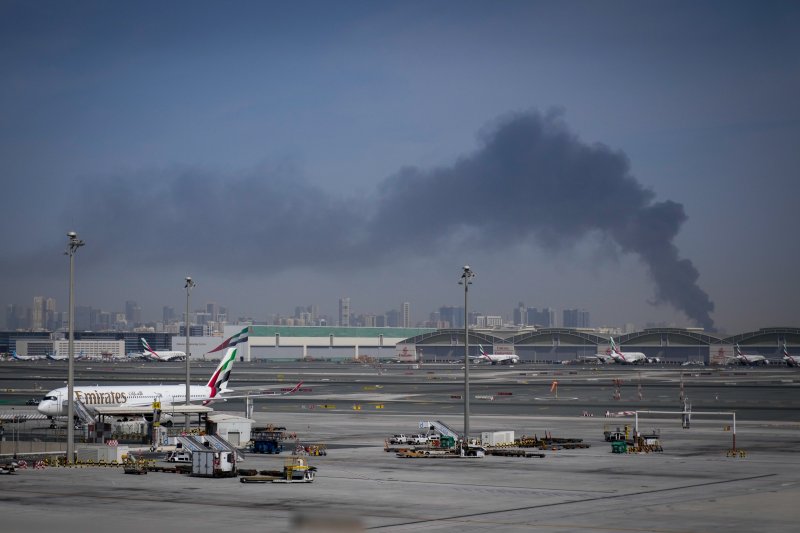
The Bank for International Settlements (BIS) stated in its recent quarterly report that if the conflict in the Middle East lasts longer than expected or spreads further, it could deliver a substantial shock to global financial markets and the macroeconomy.
Hyun Song Shin, Head of the Monetary and Economic Department of the Bank for International Settlements (BIS), said at a press conference on the 16th (local time), "If the conflict becomes prolonged, financial amplification in the markets could further magnify the macroeconomic shock."
He explained, "If interest rates rise sharply, they can put pressure on asset valuations, which are already at elevated levels," adding, "If governments face higher funding costs and are forced to issue more bonds, it could further worsen already fragile fiscal positions."
The impact of the Middle East war is already visible in financial markets. With the Strait of Hormuz effectively blocked, international oil prices have jumped by about 35%, and this has been followed by an expansion of selling in global equity and bond markets. The Strait of Hormuz is a critical maritime chokepoint through which around 20% of the world’s crude oil shipments pass.
BIS also noted that pressure on stock markets has been mounting as investors have recently begun to pull money out of large US technology stocks. Concerns about heavy capital expenditure burdens and the possibility of slower earnings growth are undermining investor appetite for so-called AI hyperscalers.
Rising oil prices are also reshaping expectations for monetary policy. BIS explained that the surge in oil prices has weakened market expectations for interest rate cuts by central banks, and in some countries, investors are even starting to price in the possibility of rate hikes.
For now, however, financial markets are seen as remaining relatively stable. Shin said, "Even in the markets most affected by the tensions, trading is still functioning in an orderly manner," while cautioning, "The current situation requires close monitoring."
BIS also pointed to the private credit (private debt) market as another vulnerable area in global financial markets. It warned that if higher borrowing costs coincide with an economic slowdown, pressure for capital outflows from this market could intensify.
In fact, investors have recently been trying to withdraw funds amounting to several billion dollars from US direct-lending fund managers.
Concerns about the impact of Artificial intelligence (AI) on software-as-a-service company (SaaS) business models are also unsettling investor sentiment. According to BIS, loans to SaaS companies have surged from 8 billion dollars in 2015 to more than 500 billion dollars by the end of last year, now accounting for about 19% of the overall direct-lending market.
Shin said, "The real economy is not currently in a situation that would trigger large-scale credit risk," but added, "Given the nature of the private credit market and its low liquidity, investor redemption requests could increase rapidly."
[email protected] Reporter Lee Byung-chul Reporter