Mojtaba Khamenei Flown to Russia for Treatment After Injuries, Raising Possibility of Leadership Vacuum in Iran
- Input
- 2026-03-16 15:08:31
- Updated
- 2026-03-16 15:08:31
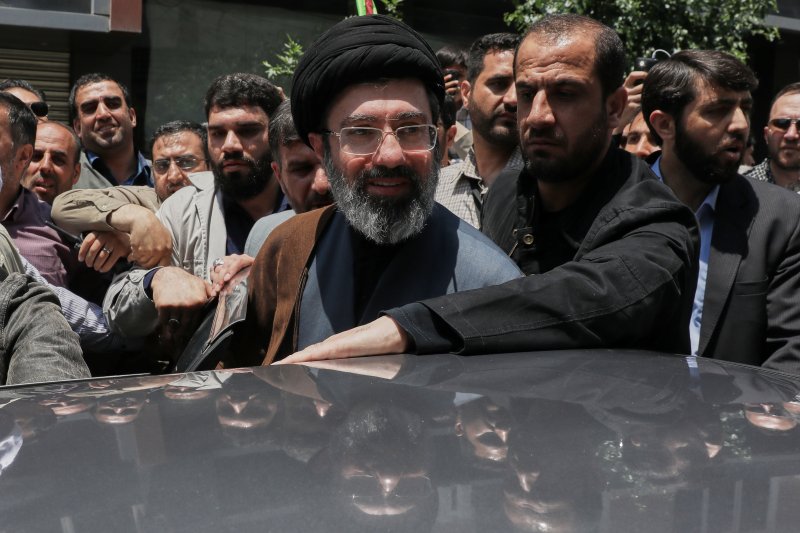
[Financial News] Reports have emerged that Mojtaba Khamenei, who was elevated last week to serve as Supreme Leader of Iran, was secretly flown to Moscow, Russia, for medical treatment and personal security after being injured.
On the 16th, the Kuwait daily Al-Jarida, citing sources, reported that Mojtaba Khamenei was transported to Moscow on a military aircraft to undergo surgery.
According to the sources, Mojtaba Khamenei successfully underwent surgery at one of the Kremlin’s facilities.
Rumors had circulated that his injuries ranged from a fractured foot to facial lacerations, and even that he might have lost a leg or been in critical condition.
Reports say Mojtaba Khamenei was hit in the same airstrike as his father, former Supreme Leader of Iran Ali Hosseini Khamenei. In that attack he lost his wife, parents, and son, and although he was rescued from a collapsed bunker, he is believed to have suffered serious injuries.
The paper reported that, as hospitals in the Islamic Republic of Iran were unable to function normally due to airstrikes, Russian President Vladimir Putin offered Mojtaba Khamenei medical treatment in Russia.
Al-Jarida and other foreign media outlets have suggested that Mojtaba Khamenei’s first statement after being named Supreme Leader of Iran last week was likely drafted by security chief Ali Larijani, interpreting this as a sign of fractures within the current Iranian leadership.
Foreign media further reported that if Mojtaba Khamenei is indeed receiving treatment in Russia as claimed, it would indicate that the command structure in Tehran has effectively collapsed and that a divided Iranian military leadership is now in control.
There is particular concern over who currently controls the powerful Islamic Revolutionary Guard Corps (IRGC). Observers warn that even if the United States of America (U.S.) and Israel seek talks with the Islamic Republic of Iran, they may find no clear counterpart, raising fears that a leadership vacuum could prolong the war.
[email protected] Yoon Jae-joon Reporter