Zelenskyy Proposes Swapping Drone Defense Expertise with Middle Eastern States for Technology and Funding
- Input
- 2026-03-16 11:19:49
- Updated
- 2026-03-16 11:19:49
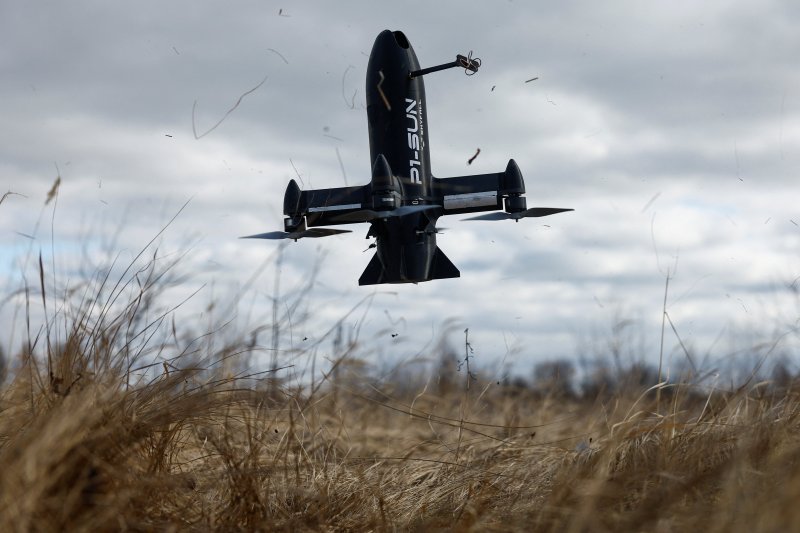
According to Financial News, Ukrainian President Volodymyr Zelenskyy has dispatched Ukrainian experts to the Middle East to help counter the threat posed by Iranian-made drones. In return, he proposed that Western and Middle Eastern countries provide Ukraine with technological and financial support.
At a press conference on the 15th (local time), President Zelenskyy officially announced, "We have sent three expert teams to the State of Qatar, the United Arab Emirates (UAE), the Kingdom of Saudi Arabia (Saudi Arabia), and a United States Armed Forces base in Jordan." He said the mission is to assess local drone defense systems and to demonstrate Ukraine’s combat-tested expertise in shooting down drones.
Over the past four years of war with Russia, Ukraine has gained extensive experience in defending against the HESA Shahed 136 suicide drones that Russia relies on. It has developed capabilities in low-cost drone interception, electronic jamming, and the operation of anti-aircraft weapons.
Ukraine hopes that this assistance will lead to long-term drone-related contracts with Gulf states. President Zelenskyy stated, "What matters most to us right now is technology and funding," stressing that a clear compensation framework must be established in return for Ukraine’s support.
Zelenskyy emphasized that the deployment of experts does not mean Ukraine is taking part in military operations. "We are not at war with the Islamic Republic of Iran," he said, explaining, "As Iranian drone attacks on United States Armed Forces bases in the Middle East continue, we want to show how our defensive technologies work."
As international interest in Ukrainian drone technology grows, Zelenskyy also announced plans to tighten export controls. This comes amid a rise in attempts by some foreign governments and companies to contact Ukrainian manufacturers directly and strike deals.
He pointed out, "There are attempts to purchase equipment by bypassing the government and avoiding political channels," and stressed, "All contracts must receive official approval from the Ukrainian government, and any negotiations by the private sector should take place only after that."
[email protected] Yoon Jae-jun Reporter