Japan Scrambles to Gauge Trump’s Intentions After His Call for Hormuz Deployments
- Input
- 2026-03-16 10:29:16
- Updated
- 2026-03-16 10:29:16
Tokyo – The Financial News correspondent Seo Hye-jin reported on the 16th that, after United States President Donald Trump expressed hope that various countries would dispatch naval vessels to the Strait of Hormuz, the Japanese government plans to use ministerial-level phone consultations and other channels ahead of this week’s U.S.-Japan summit to grasp what he meant by those remarks, according to Japan Broadcasting Corporation (NHK).
Japanese Prime Minister Sanae Takaichi is scheduled to visit the United States this week and hold a summit with President Trump on the 19th local time. The previous day, she received a briefing on the situation in the Middle East from her secretaries at the Prime Minister's Official Residence of Japan.
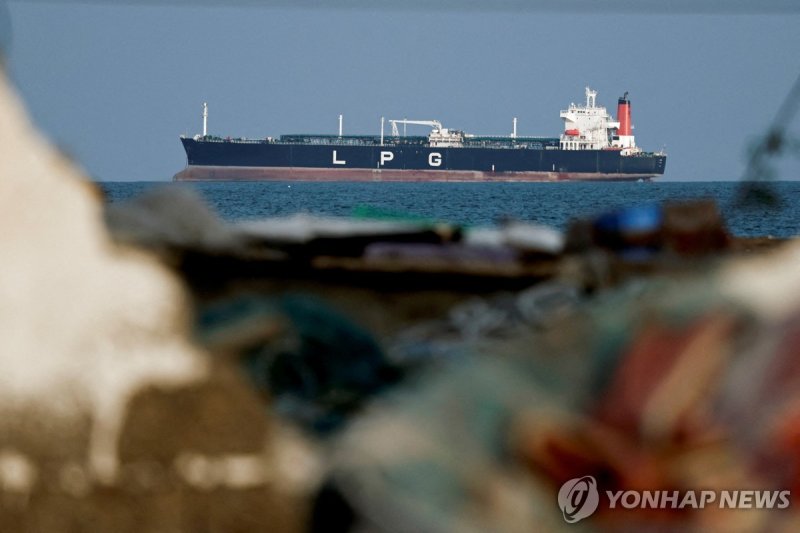
Within the government, some officials argue that Tokyo must prepare for the possibility that President Trump will ask for concrete measures, including deploying the Japan Self-Defense Forces (JSDF), during the summit. On the 14th local time, Trump posted on his social media platform Truth Social that he expects countries, including Japan and China, to send naval vessels to the area to help secure the safety of the strait.
Inside the ruling Liberal Democratic Party (LDP), lawmakers note that dispatching the JSDF while military tensions continue among the U.S., Israel and the Islamic Republic of Iran would entail significant political and legal burdens. In light of this, NHK reported that the Japanese government intends to carefully gauge President Trump’s intentions through ministerial phone talks and other contacts before the summit.
The upcoming U.S.-Japan summit is also expected to focus on strengthening economic security cooperation, including the development of marine resources. The two countries are reportedly considering jointly investing in a project to develop rare earth elements (REE) buried in the seabed near Minamitorishima in the Pacific Ocean south of Honshu.
Last month, Japan conducted its first test drilling of mud containing REE in deep waters within its Exclusive Economic Zone (EEZ) near Minamitorishima. Tokyo plans to assess the project’s economic viability by March 2028.
The summit is also expected to include talks on adopting an action plan to reduce dependence on China for critical minerals and to diversify sources of supply for REE and other materials.
The two countries plan to spell out policy tools for diversifying supply sources in the action plan on critical minerals. They are also considering subsidy programs and other measures to expand production of critical minerals outside China.
[email protected] Reporter Seo Hye-jin Reporter