Branded 'traitors' for refusing to sing anthem: Iran women's football captain withdraws asylum bid
- Input
- 2026-03-16 11:17:37
- Updated
- 2026-03-16 11:17:37
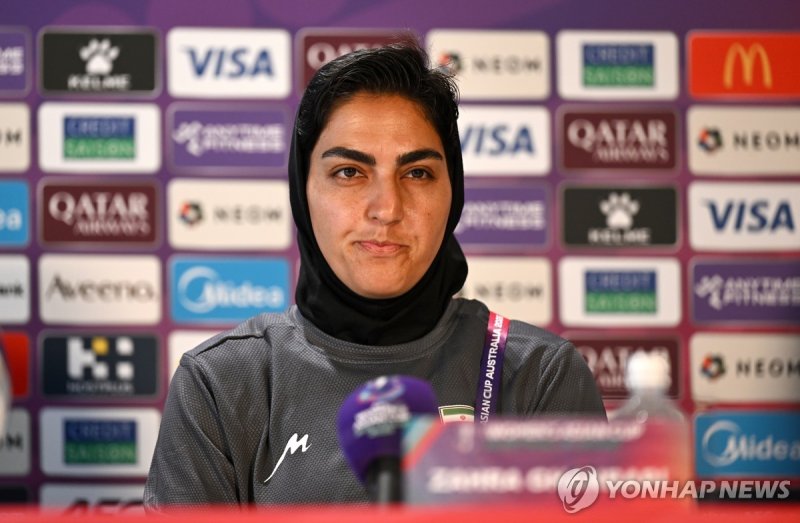
Ghanbari is a striker and the all-time leading scorer for the Islamic Republic of Iran women's national team. Earlier in the tournament, the team drew international attention when its players refused to sing the national anthem before matches.
The gesture was widely interpreted as a symbolic protest against the system of the Islamic Republic of Iran. A presenter on state television in the Islamic Republic of Iran went so far as to denounce them as "traitors in a time of war.
" The Australian Government later granted the players humanitarian visas.
However, many of them subsequently withdrew their asylum applications, leaving only two players remaining in Australia.
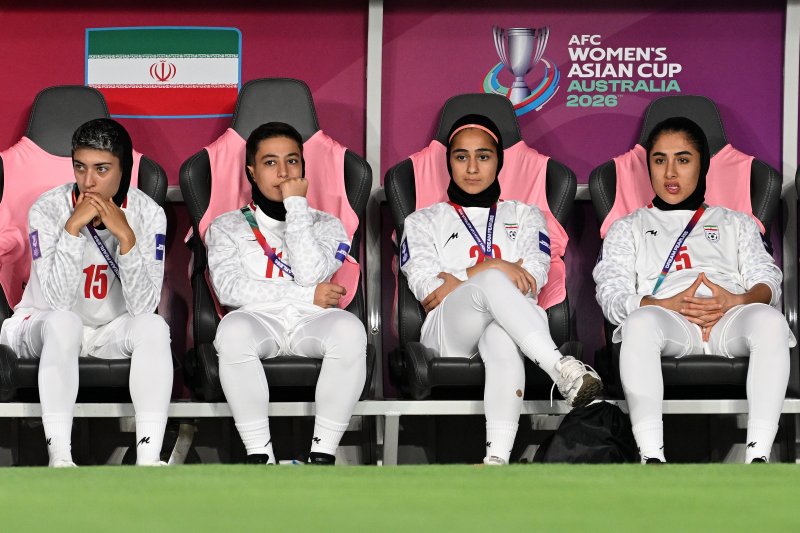
Shiva Amini, a former futsal international from the Islamic Republic of Iran who is now in exile, wrote on social media that "the Football Federation Islamic Republic of Iran and the Islamic Revolutionary Guard Corps (IRGC) exerted strong and systematic pressure on the players' families.
" Iran International, an opposition-leaning broadcaster, also reported that it had received information claiming that Ghanbari's mother had been questioned by the Intelligence Organization of the Islamic Revolutionary Guard Corps (IRGC Intelligence Organization).
Human rights groups have long argued that authorities in the Islamic Republic of Iran have pressured athletes competing abroad by threatening their families or seizing their assets.
Media outlets in the Islamic Republic of Iran, by contrast, have hailed Ghanbari's decision as "a return to the embrace of the homeland" and praised it as a "patriotic choice.
" The Australian Government said it had "offered the players an opportunity to apply for asylum, but they had to make a 'very difficult decision,'" expressing regret over the outcome.
[email protected] Hong Chae-wan Reporter