IEA to Release Strategic Reserves in Asia First: 100 Million Barrels From the 16th
- Input
- 2026-03-16 05:37:53
- Updated
- 2026-03-16 05:37:53
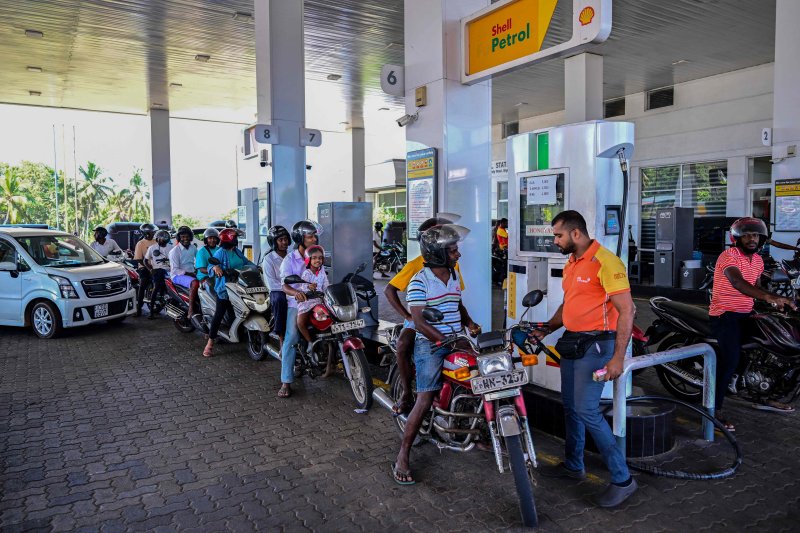
According to Financial News, the International Energy Agency (IEA), which has decided on the largest release of strategic oil reserves since the Iran war, announced that it will begin supplying oil to the market as early as the 16th local time. The IEA said it will first draw down reserves in Asia and Oceania, which are heavily dependent on Middle Eastern oil.
Foreign media including France's Agence France-Presse (AFP) reported that the IEA, headquartered there, said in a press release on the 15th that it had received implementation plans for reserve releases from its member states. The IEA stated, "Strategic reserves held by member countries in Asia and Oceania will be released immediately, while member countries in the Americas and Europe will begin releases from the end of March."
On the same day, IEA Executive Director Fatih Birol wrote on social media platform X (formerly Twitter), "Member countries have confirmed their contributions to our largest-ever release of strategic oil reserves," adding, "From March 16, an unprecedented volume of additional oil will enter the market." At the same time, he stressed, "For stable crude oil flows to be restored, it is crucial that the Strait of Hormuz be reopened."
The International Energy Agency (IEA), established in 1974 by 32 major oil-importing countries belonging to the Organisation for Economic Co-operation and Development (OECD), including South Korea, to coordinate oil supply and demand, announced on the 11th that it would release reserves into the market for the sixth time since its founding.
The volume to be released this time totals 411.9 million barrels, the largest on record. It consists of 271.7 million barrels from government-held reserves, 116.6 million barrels from mandatory industry stocks, and another 23.6 million barrels. Of the total, 72% will be crude oil and 28% refined petroleum products.
By region, Asia and Oceania will release a total of 108.6 million barrels, including 66.8 million barrels from government reserves and 41.8 million barrels from mandatory industry stocks. In this region, 60% of the volume will be crude oil and 40% refined products. In the Americas, 172.2 million barrels of government reserves and an additional 23.6 million barrels will be released, all in the form of crude oil. In Europe, 32.7 million barrels from government reserves and 74.8 million barrels from industry stocks will be released, with 32% crude oil and 68% refined products.
The IEA first decided to release strategic reserves during the Gulf War in 1991. At that time, the volume was only about 25 million barrels. In 2022, after Russia invaded Ukraine in February, the IEA conducted two releases totaling 182.7 million barrels, with tranches of 62.7 million barrels and 120 million barrels.
International oil prices hit their highest level in about four years after the United States of America (U.S.) and Israel began attacking the Islamic Republic of Iran on the 28th of last month, and Iran moved to control the Strait of Hormuz, through which about 20% of the world's seaborne oil shipments pass. Regarding the reserve release, the IEA stressed, "This war in the Middle East is causing the most severe supply disruption in the history of the global oil market." It added that, to normalize shipments through the Strait of Hormuz, "appropriate insurance arrangements and physical protection for transport will be key to restarting flows."
[email protected] Park Jong-won Reporter