[Editorial] As market rates surge and debt-fueled investing soars, preemptive risk management is needed
- Input
- 2026-03-15 18:37:41
- Updated
- 2026-03-15 18:37:41
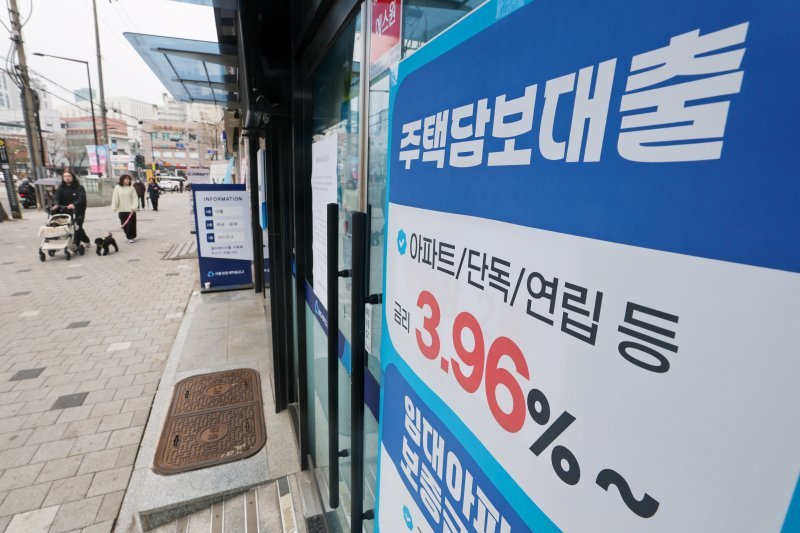
The Bank of Korea (BOK) has kept its policy rate at 2.50 percent for eight consecutive months since last July. However, many analysts judge that market interest rates effectively ended last year’s easing cycle in the second half and have now entered an upward phase. A rate cut by the BOK is not an easy scenario under current domestic and external conditions. If the BOK lowers rates, the interest-rate gap with the United States of America (US) will widen further and could spur capital outflows by foreign investors.
There are also persistent concerns that a rate cut could reignite the real estate market, which has only recently begun to show signs of stabilizing. The unstable US Dollar–South Korean Won exchange rate is another factor limiting the possibility of lower rates. On top of this, with inflationary pressure from the Middle East becoming a reality, it is hardly likely that interest rates will fall. When geopolitical risks intensify, government bond yields rise and market rates follow suit. In a rising-rate cycle, households should avoid maxing out all available borrowing and engaging in debt-fueled investing, yet the reality is moving in the opposite direction, heightening social concern. It is time for individuals, financial institutions and regulators alike to face the situation squarely and focus on reducing risks.
Household loans at the five major commercial banks reached about 766 trillion won as of the 12th. That is an increase of nearly 700 billion won compared with the end of February. While mortgage lending has declined due to various real estate regulations, unsecured credit loans have surged by more than 1.4 trillion won, pushing overall household debt higher. If this pace continues through the end of the month, it would mark the largest monthly increase in four years and five months. The outstanding balance of personal overdraft accounts has also grown by more than 1.3 trillion won so far this month, jumping to around 40.7 trillion won. With the Middle East conflict roiling global politics and financial markets, we again urge strict management of household debt.
According to the financial sector, most of these credit loans are flowing into the stock market. Margin lending balances now exceed 31 trillion won. Margin lending refers to money that investors borrow from securities firms to buy stocks and have yet to repay. Using such leverage can amplify returns when share prices rise, but if prices fall, a lack of collateral value can trigger forced selling. In other words, investors can suffer massive losses.
It is positive in itself that liquidity once concentrated in real estate is moving into the capital market. However, people must remember that rushing into risky assets with borrowed money out of fear of being left behind can exact a harsh price. Concerns about volatility in the South Korean stock market continue to surface. A sharp downturn could endanger the domestic financial system as a whole. The Government of South Korea must manage the risks from debt-fueled investing in a preemptive and proactive manner.