Israel and Lebanon Discuss Hezbollah Disarmament as US and Iran Reject Mediation by Middle Eastern States
- Input
- 2026-03-15 17:08:33
- Updated
- 2026-03-15 17:08:33
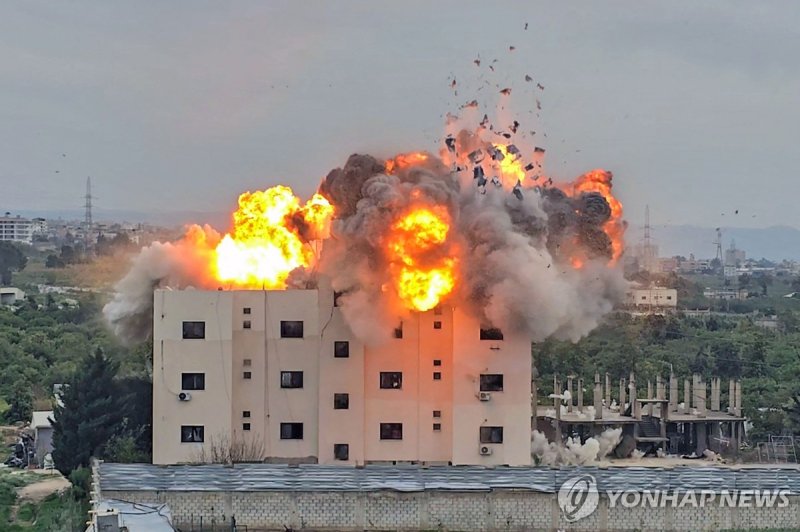
On the 14th local time, the Israeli daily Haaretz reported that Israel and Lebanon will hold their first direct talks since the outbreak of the war in the Middle East to address the disarmament of Hezbollah, the pro-Iranian armed faction. Hezbollah, which is sustained with support from Iran, declared on the 2nd that it was entering the war on Iran’s side after Iran’s supreme leader Ayatollah Ali Hosseini Khamenei was killed in an explosion, and has since been attacking Israel.
According to the report, the primary goal of the talks is "to end the fighting in Lebanon and secure the disarmament of Hezbollah." Jared Kushner, the son-in-law of United States President Donald Trump, is expected to play a major role in the process. On the Israeli side, Strategic Affairs Minister Ron Dermer, a close confidant of Prime Minister Benjamin Netanyahu, will reportedly lead the negotiating team.
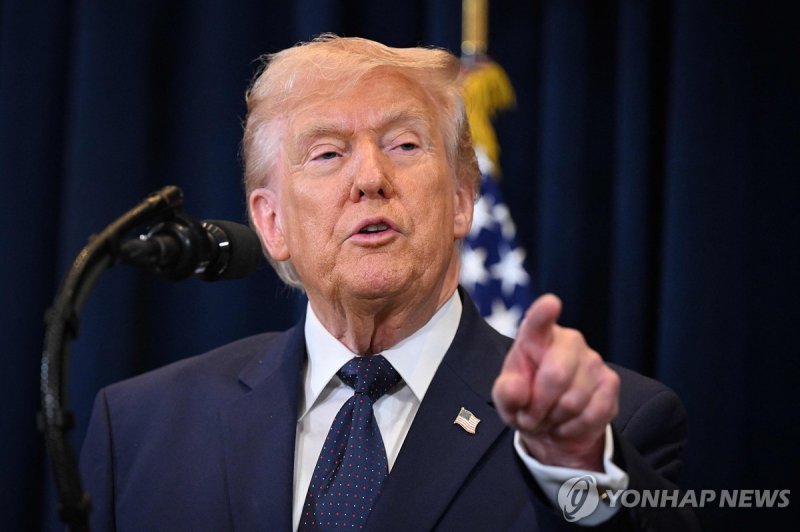
Oman and Egypt have been mediating tensions between the United States and Iran since before the current war broke out. According to British media, Oman has made several attempts to reopen a dialogue channel between the two sides, but the White House has made it clear that it is not interested in talks at this time. Egypt has also tried to reestablish contact between Washington and Tehran, yet there has reportedly been little progress. One source, however, noted that "these efforts did help to some extent in restraining the scale of military responses by countries attacked by Iran."
There have also been attempts within Iran to pursue ceasefire talks, but they are said to have failed. British media reported, "Ali Larijani, senior adviser to the supreme leader and secretary of the Supreme National Security Council (SNSC), and Foreign Minister Abbas Araghchi also sought to launch ceasefire negotiations involving US Vice President JD Vance through Oman, but the effort did not come to fruition."
A senior Iranian source said, "Iran’s position has hardened." The source explained, "What was previously conveyed through diplomatic channels no longer has any meaning." He added, "Because the Islamic Revolutionary Guard Corps (IRGC) firmly believes that Iran will lose the war if it loses control of the Strait of Hormuz, it will not accept any ceasefire, talks, or diplomatic initiatives," and continued, "The political leadership will also refrain from entering into dialogue despite multiple mediation attempts by other countries."
[email protected] Hong Chae-wan Reporter