Iran warns of further strikes on U.S.-linked oil and gas infrastructure
- Input
- 2026-03-15 03:28:09
- Updated
- 2026-03-15 03:28:09
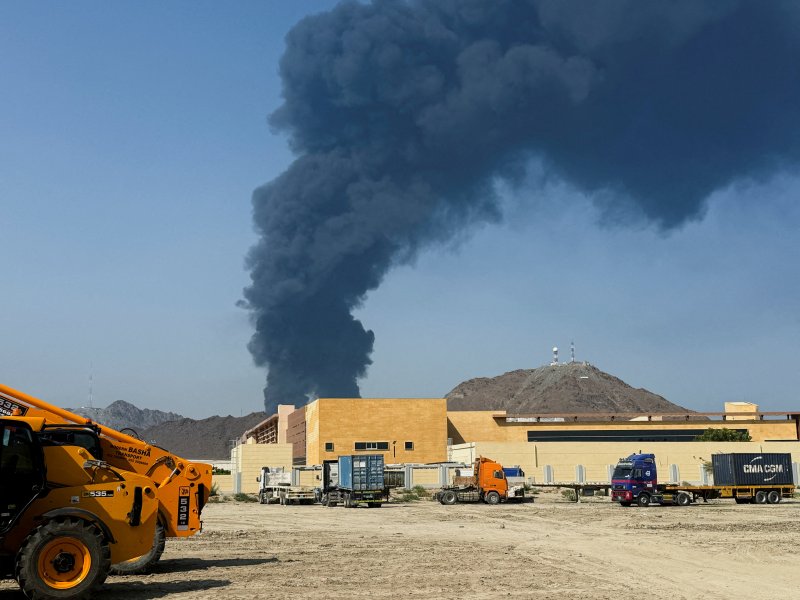
The Islamic Republic of Iran has warned that if the United States of America continues to attack its own oil and gas infrastructure, Tehran will carry out additional strikes on oil and gas facilities in the Middle East that are linked to the United States of America.
After the United States of America struck Kharg Island, the Islamic Republic of Iran’s main oil hub, on the 13th (local time), the Islamic Republic of Iran responded the next day, the 14th, by attacking the oil industrial zone at the Port of Fujairah in the United Arab Emirates (UAE). The Port of Fujairah is located on the Gulf of Oman outside the Strait of Hormuz and serves as a key oil hub that allows exports to bypass any blockade of the strait by the Islamic Republic of Iran. Up to 1.6 million barrels of oil are exported from there each day.
According to Cable News Network (CNN), Fars News Agency cited a statement from a spokesperson for the Islamic Republic of Iran’s military command, warning that if Iranian energy facilities are attacked, "all oil, economic, and energy infrastructure in this region that belongs to the United States of America or companies cooperating with the United States of America will be destroyed and reduced to a handful of ashes."
Earlier, the Islamic Republic of Iran had also urged UAE citizens to stay away from major ports.
On the same day, the Iranian military asserted that it has the right to strike targets in the UAE, stating in particular that it is justified in attacking "ports of shipment, docks, and the U.S. missile launch sites located at disguised military facilities."
Meanwhile, the Islamic Republic of Iran’s blockade of the Strait of Hormuz, through which roughly 20% of the world’s oil and gas supplies pass, is causing severe disruptions to energy shipments.
Because the narrowest point of the Strait of Hormuz is only about 33 kilometers wide, ships remain stuck in nearby waters under the threat of Iranian attacks.
According to United Kingdom Maritime Trade Operations (UKMTO), at least 16 vessels have been attacked in the Persian Gulf, the Strait of Hormuz, and the Gulf of Oman since the war began on the 28th of last month.
Major container shipping companies such as Maersk, Hapag-Lloyd, Mediterranean Shipping Company (MSC), and CMA CGM Group are rerouting their vessels to avoid the Strait of Hormuz.
[email protected] Song Kyung-jae Reporter