Trump asks South Korea, Japan and UK to send warships: "We must protect the Strait of Hormuz together"
- Input
- 2026-03-15 00:04:42
- Updated
- 2026-03-15 00:04:42
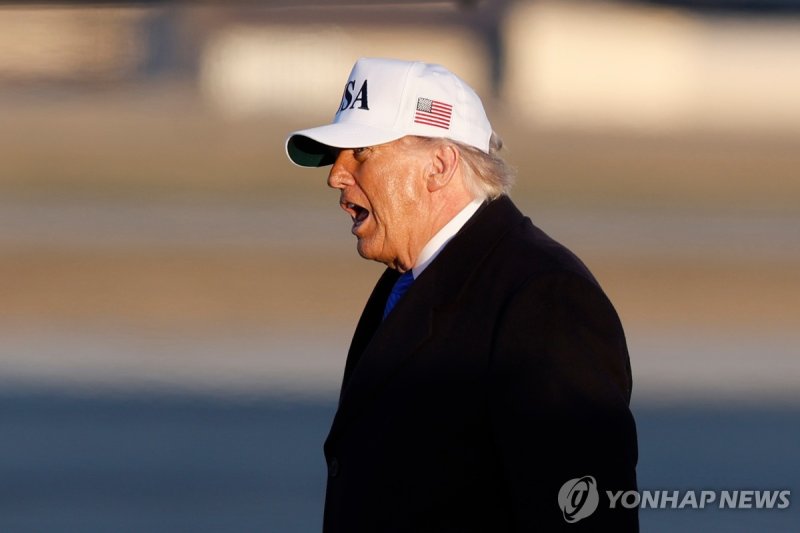
On the 14th (local time), Trump wrote on the social media platform Truth Social, "Many countries, especially those affected by Iran's attempts to blockade the Strait of Hormuz, will be sending warships, together with the United States, to keep the Strait open and safe."
Trump specifically named China, France, Japan, South Korea and the United Kingdom, urging them to join operations to defend the Strait.
He argued, "We have already destroyed 100% of Iran's military capability, but no matter how badly they have been defeated, it is easy for them to send a drone or two somewhere, drop mines, or launch short-range missiles."
He went on to say, "I want China, France, Japan, South Korea, the United Kingdom, and other countries affected by this artificial constraint (the blockade of the Strait of Hormuz) to send their ships here," stressing, "We must ensure that the Strait of Hormuz is no longer threatened by a country whose leadership has been completely removed."
The Strait of Hormuz is a strategic chokepoint through which about 20% of the world's seaborne crude oil passes. Since recent US and Israeli military operations against Iran, Tehran has continued attacks targeting oil tankers and merchant vessels, leaving traffic through the Strait virtually at a standstill.
Trump's latest remarks are being interpreted as a plan to establish a "Hormuz Maritime Coalition" that would mobilize a multinational naval force, including allied countries, to protect passage through the Strait. South Korea, Japan and European nations are particularly vulnerable, as their heavy dependence on Middle Eastern crude means a prolonged blockade could severely disrupt their energy supplies.
[email protected] Reporter Lee Byung-chul Reporter