Oil, Dollars and War: The Invisible Axis in the U.S.–Iran Clash [Lee You-beom’s Eco & Energy]
- Input
- 2026-03-14 06:00:00
- Updated
- 2026-03-14 06:00:00
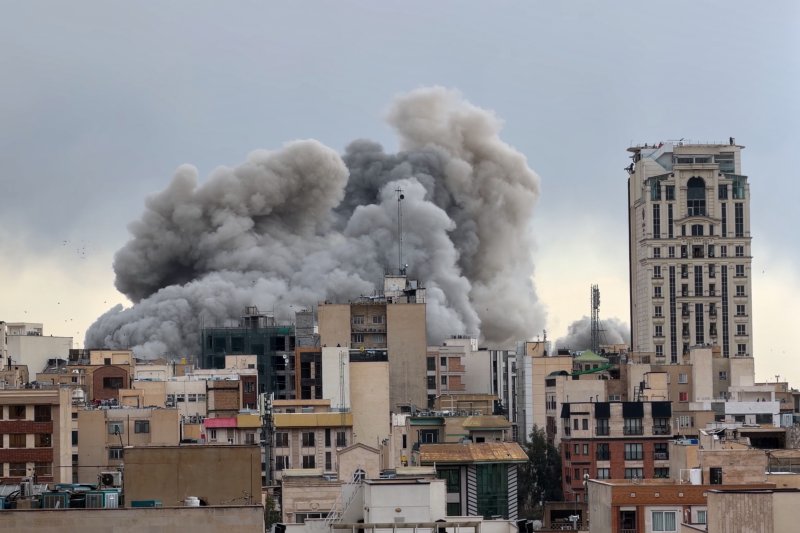
[The Financial News] After military clashes between the United States of America (USA) and the Islamic Republic of Iran (Iran) erupted on February 28, many analysts have argued that this crisis is more than a local conflict. They see it as a struggle over the global energy order and currency hegemony. For roughly half a century, the international crude oil market has operated under the so‐called petrodollar system. Recently, however, China has been working to expand Renminbi (RMB)‐based oil trading, and the petroyuan is emerging as a new factor. Against this backdrop, the U.S.–Iran confrontation is increasingly interpreted not just as a military clash, but as a geopolitical conflict over cracks forming in the dollar‐centric energy settlement system.
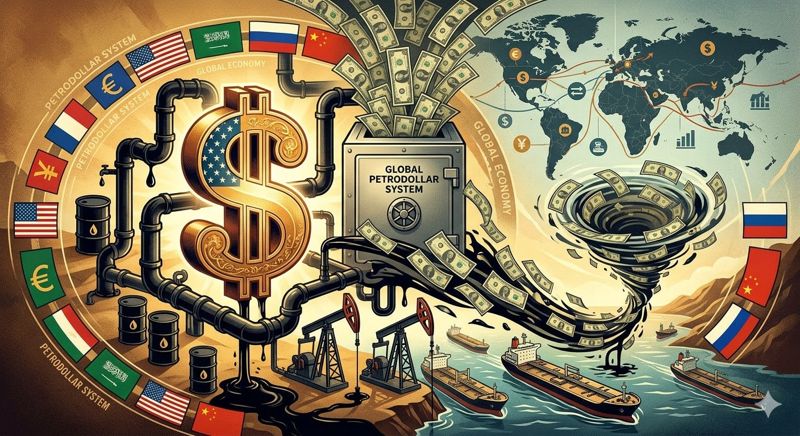
How the petrodollar forged dollar hegemony and fueled wars
The structure in which most of today’s international oil trade is settled in dollars took shape in the 1970s. In 1971, facing dwindling gold reserves, the United States of America (USA) suspended its promise to convert dollars into gold. This event, known as the Nixon shock, stripped the dollar of its gold backing and triggered a crisis of confidence in the international monetary system.To preserve the dollar’s status, the USA deepened strategic cooperation with oil‐producing countries in the Middle East. In 1974, Washington signed an agreement with the Kingdom of Saudi Arabia (KSA) that effectively made the dollar the currency of oil trade. Under the deal, the USA guaranteed the security of the House of Saud and provided military support. In return, KSA agreed to price all of its oil exports in dollars and to reinvest the dollars it earned from oil sales into U.S. Treasury securities.
This arrangement later spread across member states of the Organization of the Petroleum Exporting Countries (OPEC), becoming the standard for the global energy market. Countries around the world had to secure dollars to import oil, while oil exporters recycled their dollar revenues back into U.S. financial markets. Thanks to this structure, known as the petrodollar system, the USA has been able to sustain large fiscal and current‐account deficits while still maintaining the dollar’s status as the world’s key reserve currency.
Attempts to circumvent the petrodollar system have nonetheless continued. Venezuela is a prime example. In 2018, it introduced a state‐issued cryptocurrency called Petro, backed by oil reserves, in an effort to bypass the dollar‐based payment network. However, the initiative ran into powerful U.S. sanctions. Some observers have even interpreted the USA’s sudden arrest of Venezuelan President Nicolás Maduro in January as less about the officially cited "drug" charges and more as a response to his challenge to the petrodollar order.
In the early 2000s, Iraq also moved to change the way its oil was priced and settled. Then‐President Saddam Hussein announced that Iraq would switch the currency for its oil export payments from the dollar to the euro. Some international relations scholars later suggested that the Iraq War may have been driven in part by conflicts over the energy settlement system.
Iran’s de‐dollarization and the threat to close Hormuz
The Islamic Republic of Iran (Iran) has also been trying to break away from the dollar‐centric financial order. Cut off from the global payment network by U.S. financial sanctions, Iran has pursued de‐dollarization as a survival strategy.Learning from Venezuela’s failure, Iran chose not to rely on its own alternative currency. Instead, it opted to shelter behind China’s Renminbi (RMB) settlement system. Tehran signed a 25‐year comprehensive strategic cooperation agreement with China and began settling part of its oil trade in RMB.
Whereas Venezuela confronted the dollar system in isolation, Iran is trying to reduce its dollar dependence in a more organized way through economic cooperation with China. Analysts note that such moves are likely to be seen in Washington as a potential challenge to the existing energy settlement order in the Middle East.
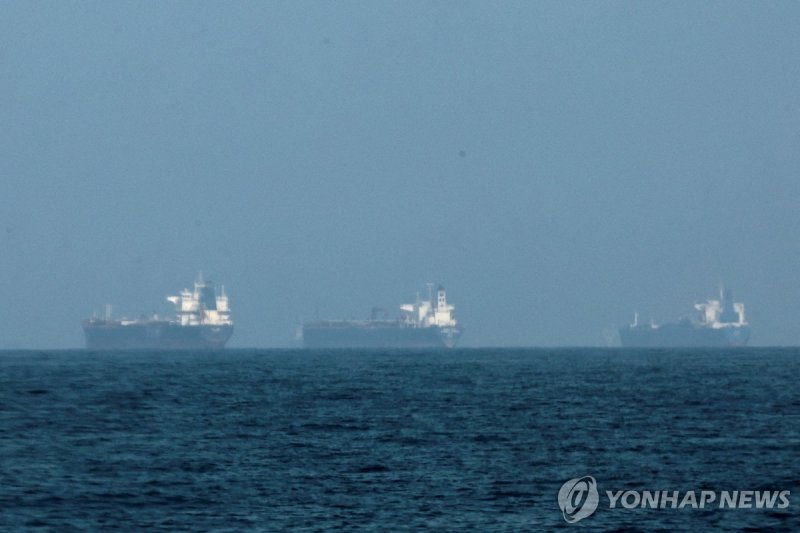
In the current war, Iran’s most powerful strategic card is the Strait of Hormuz. This narrow waterway linking the Persian Gulf and the Gulf of Oman is a vital chokepoint for global seaborne oil trade. An estimated 20–30% of the world’s seaborne crude oil shipments pass through it.
Most of the crude oil exported by Persian Gulf producers such as the United Arab Emirates (UAE), State of Kuwait and Iraq moves through the Strait of Hormuz to reach global markets. It is estimated that around 20 million barrels per day of crude oil and refined products transit this route.
Iran’s repeated references to possibly closing the strait go beyond a simple military response. Many experts argue that Tehran is leveraging its geographic position to threaten a key artery of the global energy supply chain and thereby increase its bargaining power in the conflict.
The narrowest section of the Strait of Hormuz is only about 30–50 kilometers wide. Even limited military clashes, the laying of naval mines, or targeted attacks on ships could severely disrupt maritime traffic. This is why international oil prices tend to spike immediately whenever tensions in the Middle East escalate.
The USA has long sought to maintain military influence in the Middle East and to secure the safety of sea lanes for precisely this reason. Experts view Iran’s threat to close the Strait of Hormuz not merely as a military maneuver, but as a strategic message aimed at pressuring both the global energy supply network and the international financial order at the same time.
China’s challenge: the petroyuan and its limits
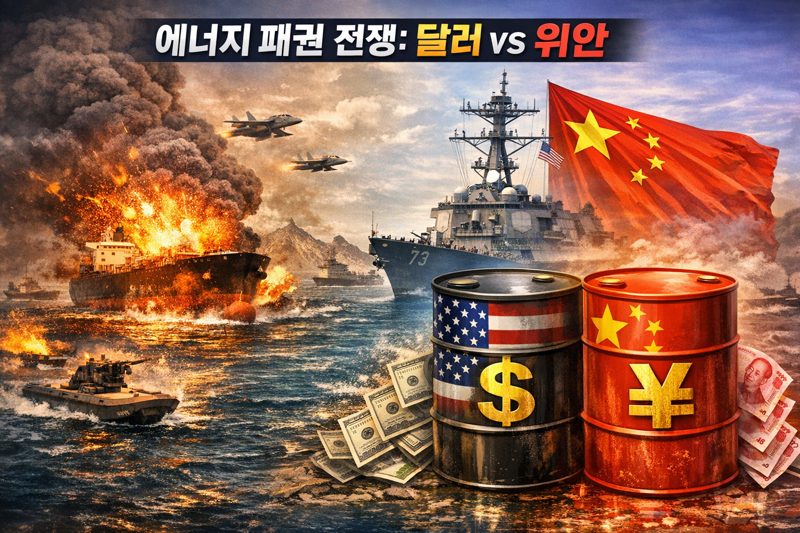
Amid the confrontation between the USA and Iran, China has emerged as another key variable. China is the world’s largest importer of crude oil, yet most of its oil purchases are still settled in dollars. For this reason, Beijing is trying to expand the use of Renminbi (RMB) in oil transactions to reduce its dependence on the dollar. The launch of RMB‐denominated crude oil futures trading in Shanghai is part of this broader strategy.
If RMB were to become a settlement currency for strategic commodities with large trading volumes, such as oil, its international standing could rise significantly. Over the long term, this could help ease China’s dependence on the dollar‐centered financial system.
Because a large share of global financial transactions is processed through dollar‐based payment networks, expanding RMB‐denominated settlements could also reduce China’s exposure to U.S. financial sanctions. This calculation underpins Beijing’s efforts.
Even so, most experts believe the petroyuan is unlikely to replace the petrodollar system in the near term. The sheer size and liquidity of dollar‐denominated assets in international financial markets remain overwhelming.
Moreover, the Society for Worldwide Interbank Financial Telecommunication (SWIFT), which underpins much of global financial messaging and settlement, is still dominated by Western financial institutions. As a result, the dollar‐centric payment system continues to wield powerful influence. Nevertheless, because energy trade and the monetary order are so tightly intertwined, China’s petroyuan strategy is increasingly seen as a new and important variable in the global economic system.
In the end, the clash between the USA and Iran is gaining recognition as a conflict that goes beyond a simple military dispute. It is unfolding at the intersection of energy supply chains and the international currency order. Many observers warn that, within this complex web of oil, money and military power, the Middle East is likely to remain a central stage for global power competition for years to come.
Climate, the environment and energy are like two sides of the same coin. Depending on how energy is produced, it can accelerate global warming, while in turn climate and environmental change can reshape energy demand and supply.[Lee You-beom’s Eco & Energy]This column explores climate, environmental and energy issues that are inseparable from one another, and it reaches readers every Saturday. If you subscribe to the reporter’s page, you can receive it more conveniently.
[email protected] Lee You-beom Reporter