US Tomahawks Running Low, While Iran Holds a ‘Post‐War’ Mine Card in the Strait of Hormuz?
- Input
- 2026-03-13 15:42:54
- Updated
- 2026-03-13 15:42:54
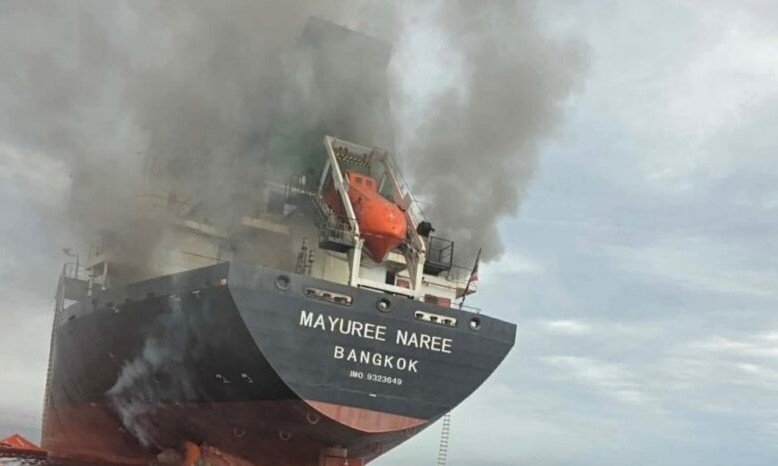
According to US media reports on the 12th (local time), John Healey, UK Secretary of State for Defence, told reporters at the British military headquarters that “the relevant reports are becoming increasingly clear” and that “there is a strong possibility that Iran has started laying mines in the Strait of Hormuz.” Earlier, the Institute for the Study of War (ISW), a US think tank, estimated that Iran may already have deployed 10 mines in the Strait of Hormuz.
Once naval mines, which float in the water, are released in large numbers, they are extremely difficult to clear completely before hostilities have fully ended. Healey stated, “In a conflict situation, it is extremely difficult to clear mines from any body of water.” Caitlin Talmadge, a political science professor at the Massachusetts Institute of Technology (MIT), likewise noted, “Mine clearance is an activity that is really only feasible in peacetime and is almost impossible to carry out during a war,” adding, “Mine-clearing ships and helicopters are highly vulnerable to enemy attack unless the operation takes place after the war is over.”
Despite suffering heavy damage from US and State of Israel airstrikes, the Islamic Republic of Iran has been concentrating its military power on civilian targets that can shock the global economy, such as crude oil storage facilities, refineries, and commercial vessels, using drones and missiles. If it is indeed laying mines, closing the Strait of Hormuz could deliver a severe blow to the world economy and give Iran a powerful lever to indirectly pressure President Donald Trump.
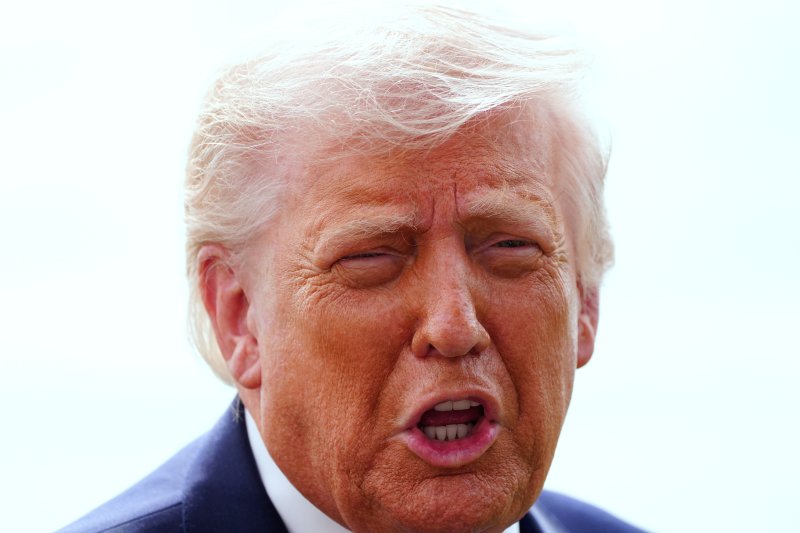
Each Tomahawk cruise missile produced by defense contractor RTX costs about $3.6 million, or roughly 5.3 billion won. Over the past five years, the US military purchased only 370 Tomahawk cruise missiles, but according to the Center for Strategic and International Studies (CSIS), it is estimated to have fired as many as 168 of them in just the first 100 hours after the war broke out on the 28th of last month. One official commented, “The United States Navy is going to feel the impact of the ammunition it has expended in this war for years to come.”
This rapid depletion of weapons and soaring war costs is expected to become a political burden for President Donald Trump. The United States Department of Defense (DoD) is expected to ask The White House and Congress in the coming days for up to $50 billion in additional military spending, but the extra Iran war funding is likely to face a rough path in both the United States House of Representatives and the United States Senate. Although the ruling Republican Party (GOP) holds only a slim majority in the House, its fiscally conservative members are likely to resist such a large increase in defense spending.
Despite these unfavorable conditions, on the 13th President Donald Trump threatened that “we are completely destroying the terrorist regime in Iran militarily, economically, and in every other way.” He claimed, “Their navy is gone, their air force no longer exists, and everything they have, including missiles and drones, is being annihilated. Their leaders are being wiped off the face of the earth.” He went on, “We have unmatched firepower, unlimited ammunition, and plenty of time,” adding, “Watch what happens to these crazy thugs today.”
[email protected] Hong Chae-wan Reporter