Russia cashes in as Hormuz is blocked, earning an extra $150 million a day
- Input
- 2026-03-13 03:15:29
- Updated
- 2026-03-13 03:15:29
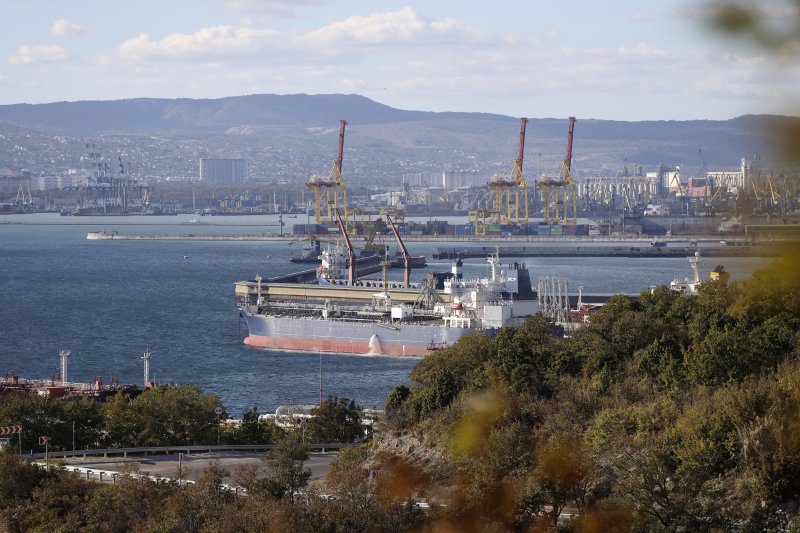
With the Strait of Hormuz effectively paralyzed and Middle Eastern oil supplies sharply reduced, India and China are rapidly ramping up imports of Russian crude. As a result, analysts estimate that the Russian government is earning up to an additional $150 million a day in fiscal revenue.
The Financial Times (FT) reported on the 12th local time, citing industry data and analyst estimates, that Russia is believed to have already secured between $1.3 billion and $1.9 billion in extra tax revenue from the current Middle East conflict.
The main reason Russia is benefiting is the disruption in the Strait of Hormuz.
Roughly 20% of global seaborne crude passes through this chokepoint, and traffic there has fallen sharply, causing a steep contraction in worldwide oil supply. As exports of Middle Eastern crude have been disrupted, India and China have turned to Russia as an alternative source.
According to the ship-tracking firm Kpler, India’s imports of Russian crude have climbed to about 1.5 million barrels per day, a 50% increase from early last month. Many Russian oil cargoes currently at sea are also headed for Indian ports.
Sumit Ritolia, an analyst at Kpler, said, "If current shipping flows continue, arrivals of Russian crude in India this month could approach 2 million barrels per day."
The price structure has also been completely upended.
Since the war in Ukraine, Western sanctions had forced Russian crude to trade at a discount to Brent crude oil. Recently, however, the situation has flipped.
Russian crude prices are now $20 to $30 per barrel higher than the average of the past three months. In some deals, Russian oil has even traded at a premium of about $5 per barrel over Brent crude oil.
Experts say that if the war in the Middle East drags on, Russia could gain even greater leverage in the energy market.
The Centre for Research on Energy and Clean Air (CREA) warned that disruptions in the Strait of Hormuz put at risk the supply of roughly 60 million tons of crude oil and 7 million tons of liquefied natural gas (LNG) every month.
In that scenario, Asian countries would have little choice but to deepen their dependence on Russian crude.
There are, however, uncertainties. Russia has room to increase production, but it remains unclear how far the US will go in easing sanctions on Russian oil.
Michael Moynihan, research director at Wood Mackenzie, said, "It is not clear how long the US will keep sanctions on Russian oil relaxed," adding, "That is especially true as the war in Ukraine continues."
[email protected] Reporter Lee Byung-chul Reporter