Biggest Casualty of the Iran War: Dubai, the 'Paradise for the Super-Rich,' Turns into a Ghost Town in Two Weeks
- Input
- 2026-03-12 15:40:03
- Updated
- 2026-03-12 15:40:03
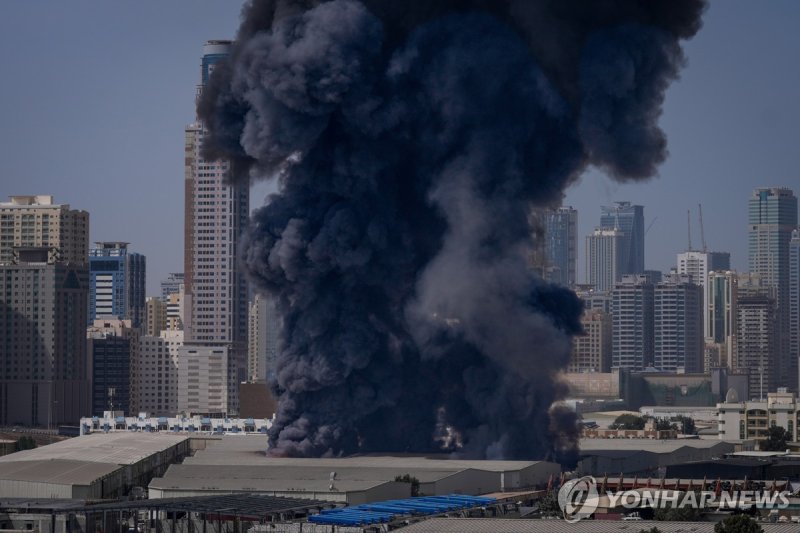
The Financial News reported that, in the span of just two weeks, Dubai in the United Arab Emirates (UAE) has effectively turned into a "ghost town" as a result of the Middle East war. Once a world-famous resort city that attracted billionaires and tourists from around the globe, it is now seeing a mass exodus of foreign residents and visitors as Iran concentrates its retaliatory attacks on the area.
The Guardian reported on the 11th (local time) that Dubai has been hit hard as a significant number of weapons launched by Iran in retaliation against airstrikes by the United States and Israel headed toward UAE territory.
Dubai has grown into an international tourism and financial hub where more than 90% of the population is foreign. However, as it has come within the direct range of the war, the atmosphere in the city is said to have changed dramatically.
Since the 28th of last month, many of the weapons fired by Iran have been directed toward UAE airspace, and some of these strikes have hit military facilities and industrial complexes. Although the UAE air defense system intercepted most of them, the basic functions of the city were shaken, with operations at Dubai International Airport (DXB), a major global aviation hub, suffering disruptions.
Palm Jumeirah, Dubai’s iconic man-made island and a major tourist destination, has also been gripped by fear of further attacks. Images of black smoke billowing after a drone strike in an area packed with ultra-luxury villas, hotels and clubs along the beach were broadcast live, rapidly spreading panic.
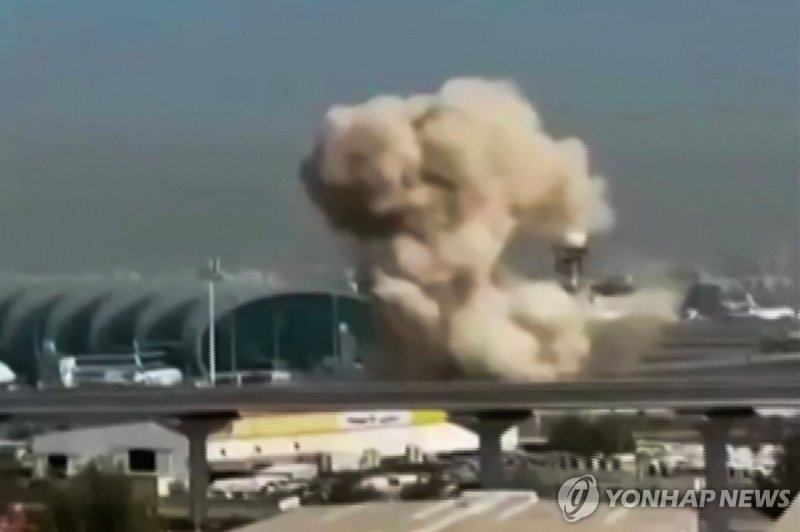
Testimonies are mounting that tourists and foreign residents are leaving the city in large numbers because of the war. John Trudinger, a British principal at a local school, said, "More than 100 British teachers were working here, but most of them have left Dubai, saying they are suffering from severe trauma."
Local taxi driver Zain Anwar also recounted, "I was at the scene when the attack happened, and I was lucky to survive," adding, "Since the war began, the tourists have disappeared, my income has dried up, and I no longer have any reason to stay in Dubai."
The economic shock to Dubai is also expected to be significant. Lacking vast oil reserves, Dubai has instead built its growth around tourism, generating annual tourism revenues of about $30 billion (approximately 44 trillion won). Analysts warn that if the war drags on and tourists and wealthy foreign residents continue to leave, economic damage will be unavoidable.
Khaled Almezaini, a professor at Zayed University, stated, "Dubai is already suffering considerable losses," and predicted, "For now, the situation is still manageable, but if it continues for more than 10 to 20 days, it could have a major impact on the economy, aviation and the activities of foreign expatriates."
[email protected] Kim Kyung-min Reporter