Trump again threatens tariffs on Spain over its opposition to war with Iran, but chances of implementation are low
- Input
- 2026-03-12 03:24:03
- Updated
- 2026-03-12 03:24:03
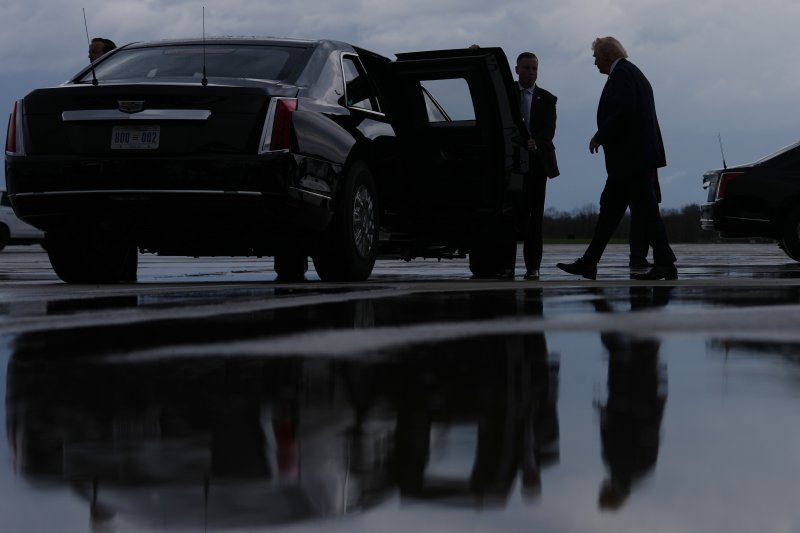
On the 11th (local time), Donald Trump again threatened to impose tariffs on Spain. He signaled an intention to retaliate in some way for Spain’s criticism of strikes by the United States of America (US) and the State of Israel on the Islamic Republic of Iran.
According to The Wall Street Journal (WSJ), the President of the United States raised the prospect of tariffs on Spain again while speaking to reporters before leaving The White House for visits to Ohio and the Commonwealth of Kentucky.
Donald Trump said, "I don’t think they’re cooperating at all," adding, "We may have to cut off trade."
Trump had already warned of retaliation against Spain last week, but his administration quickly walked back those remarks. No concrete measures followed.
There appear to be good reasons why the Trump administration moved swiftly to defuse the President’s warning.
Spain is one of the 27 member states of the European Union (EU), which makes it difficult for the US to single out Spain for higher tariffs or other trade retaliation.
Within the EU, goods move freely and member states share a common trade policy, so highly targeted sanctions against a single country are hard to implement.
If the US were to impose special tariffs on Spain, companies could simply move goods produced in Spain to another EU member state and export them to the US from there under lower tariff rates.
Even if US authorities tried to track the origin of goods, the absence of border checkpoints within the EU would make that difficult. In effect, it is easy to disguise the true origin of products. Should US customs attempt to monitor this closely, it would face enormous administrative costs.
Moreover, because the EU acts as a single entity in external trade, a US move targeting Spain could trigger retaliation at the EU level.
In addition, the Supreme Court of the United States (U.S. Supreme Court) ruled on the 27th of last month that Trump’s reciprocal tariff measures based on the International Emergency Economic Powers Act (IEEPA) were unlawful. This has further constrained the administration’s room for maneuver, making such highly targeted sanctions even harder to pursue.
[email protected] Song Kyung-jae Reporter