"Summer vacation plans take a hit" as soaring oil prices drive record air fare hikes
- Input
- 2026-03-11 10:17:36
- Updated
- 2026-03-11 10:17:36
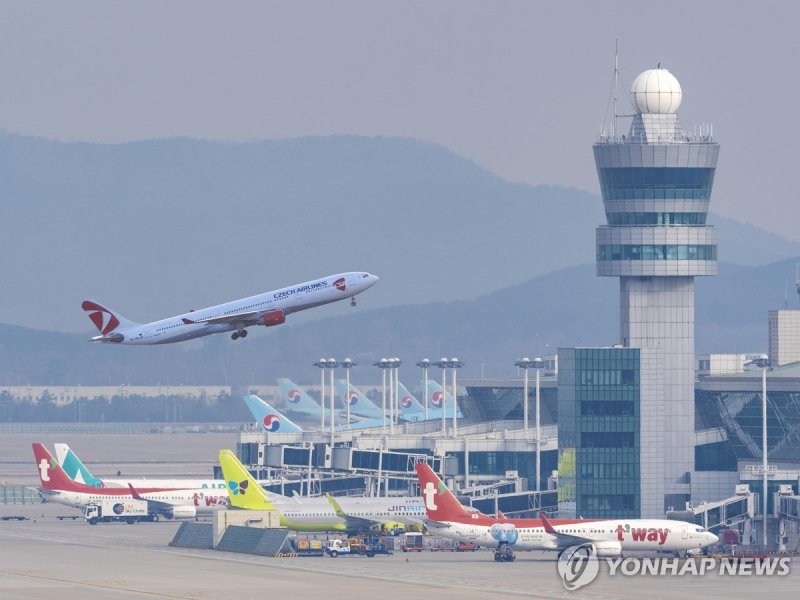
[The Financial News] The crisis in the Middle East has sent global oil prices sharply higher, and air fares are now feeling the impact. Major international airlines have been raising ticket prices one after another.
Some Europe–Southeast Asia routes see ticket prices double
On the 10th (local time), Agence France-Presse (AFP) reported that Scandinavian Airlines (SAS) stated, "Recently, jet fuel prices in Europe have climbed to their highest level since 2022 due to global supply disruptions," and announced that it would temporarily adjust air fares.
Australia's Qantas Airways and Air New Zealand also said that they would raise ticket prices due to higher fuel costs. After war broke out in the Islamic Republic of Iran on the 28th of last month, effectively paralyzing air routes and airports in the Middle East, some airlines more than doubled fares on certain routes, including Europe–Southeast Asia.
Jet fuel, which accounts for 20–30% of an airline's operating costs, carries a premium over crude oil because of refining, storage, and transportation. As a result, its price often rises faster than crude. According to UK-based commodity information provider Argus Media, the premium on jet fuel in Northwestern Europe over Brent crude oil has hit a record high of 97 dollars per barrel (about 142,900 won).
There is also growing speculation that fuel surcharges will be raised sharply. Hong Kong Airlines plans to increase its fuel surcharge by up to 35.2% starting on the 12th. A fuel surcharge is an additional fee airlines tack onto fares when oil prices exceed a certain level to offset higher fuel costs, and it is set based on the average price of jet fuel in Singapore, known as the Mean of Platts Singapore (MOPS).
April fuel surcharge hikes seen as unavoidable
According to industry sources on the 8th, the price of jet fuel on the 4th surged about 72% from the previous day to 225.44 dollars per barrel (around 332,000 won). Considering that it was only 93.45 dollars (about 138,000 won) on the 27th of last month, the day before the United States launched air strikes on the Islamic Republic of Iran, the price has more than doubled. Analysts say that if current jet fuel prices persist, airlines will have little choice but to raise fuel surcharges in April.
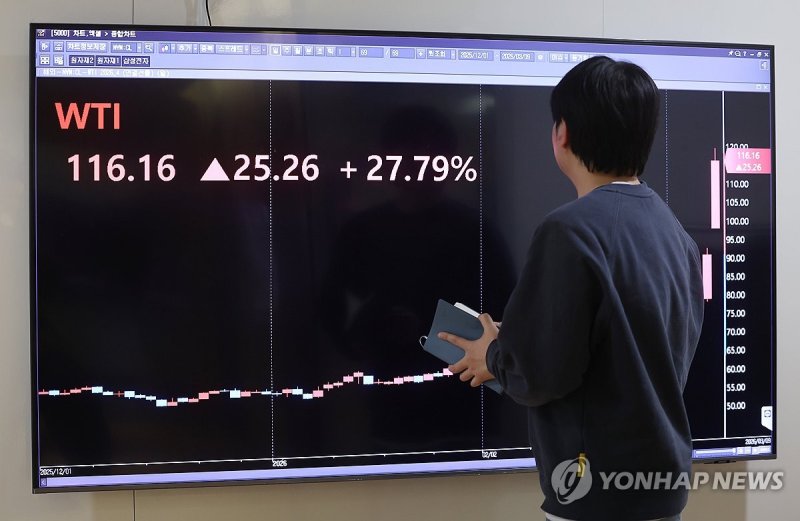
The April fuel surcharge is calculated based on the average jet fuel price from the 16th of last month to the 15th of this month. With the price spike over the past week reflected, the average price applied in April is expected to exceed 160 dollars per barrel (about 380 cents per gallon. On this basis, the fuel surcharge on Korean Air and Asiana Airlines flights between Incheon Metropolitan City and Los Angeles (LA), currently in the 78,600–79,500 won range, could jump to between 190,000 and as high as 210,000 won.
Major airlines plan to finalize and announce their April fuel surcharges on the 16th. Travel industry officials therefore advise that it may be more reasonable to wait and see how things develop this month or after May before purchasing tickets. An airline industry official noted, "We need to keep an eye on jet fuel prices, but if they stay at current levels, a steep increase in fuel surcharges is likely," adding, "There is concern this could dampen demand for overseas travel."
[email protected] Kim Hee-sun Reporter