Oil Prices Aren't the Only Problem: Iran War Sparks Supply Crisis for Other Commodities
- Input
- 2026-03-11 07:52:56
- Updated
- 2026-03-11 07:52:56
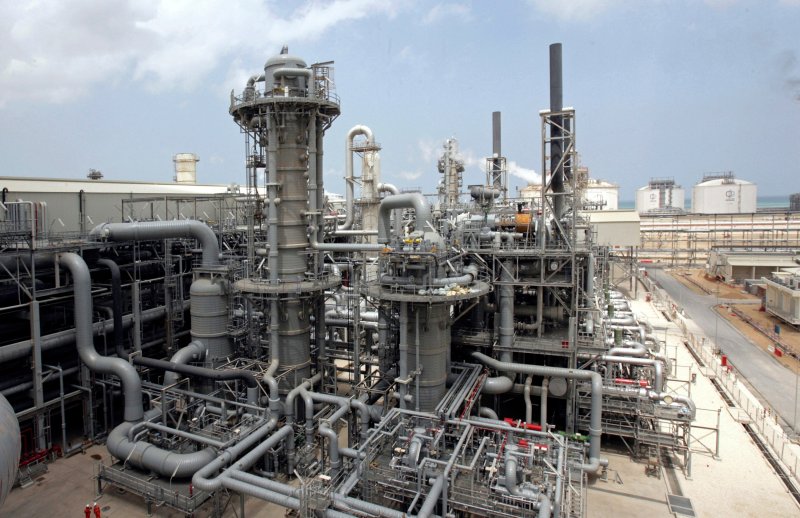
According to The Financial News, the war involving the United States and Israel on one side and Iran on the other is no longer just pushing up prices of oil and natural gas. It is now triggering alarms over supplies of key raw materials, with the impact spreading across the global economy.
On the 10th (local time), The Wall Street Journal (WSJ) reported that prices, supply, and production are being hit for a wide range of products, from basic plastics and fertilizers in the Kingdom of Saudi Arabia (KSA) and Oman to sugar in Brazil and helium from the State of Qatar. The paper warned that the situation could worsen significantly if the war drags on.
Experts believe that if the crisis becomes prolonged, the costs the global economy will have to bear could rise to astronomical levels.
Chris O'Keefe, director at Logan Capital Management, stated, "Rising input costs have put inflation back at the center of market concerns," and warned, "As companies pass on higher costs to protect their margins, the financial burden on households will increase."
On the 9th, aluminum prices hit their highest level in about four years. They have surged roughly 8% this month alone due to shipping disruptions in the Middle East. As smelters in the State of Qatar and the Kingdom of Bahrain, which together account for 8% of global supply, have halted operations or seen shipments suspended, buyers are turning to Asian markets. With the Strait of Hormuz, a key route for importing aluminum ore, effectively shut down, industries from aircraft manufacturing to power cables and can production are now on high alert.
In Brazil, the world's largest producer of sugarcane, soaring oil prices are prompting producers to divert sugarcane from sugar to ethanol for vehicle fuel. Since the war began, ethanol prices have jumped 10%, increasing the likelihood that profit-driven producers will cut sugar output.
This is expected to push global sugar prices higher.
Urea, a key ingredient in fertilizers, is also under pressure. One-third of global urea trade passes through the Strait of Hormuz, and since the war began, urea prices have already soared by 35%.
Sulfur, which is essential for copper processing and fertilizer production, is facing similar constraints, with nearly half of global supply effectively trapped in the Middle East. Wayne Winegarden, an economist at the Pacific Institute, warned, "A shortage of fertilizers could reduce agricultural productivity and drive up food prices, posing a threat to global food security."
The Journal also pointed out that helium supplies are at risk. Helium is critical for semiconductor cooling and Magnetic Resonance Imaging (MRI) equipment.
Ras Laffan Industrial City in the State of Qatar, where helium production facilities of the world's second-largest producer are located, has reportedly come under attack from Iran, disrupting output.
[email protected] Yoon Jae-jun Reporter