IEA Convenes Emergency G7 Finance Ministers' Meeting to Discuss Possible Release of Strategic Oil Reserves
- Input
- 2026-03-11 06:30:17
- Updated
- 2026-03-11 06:30:17
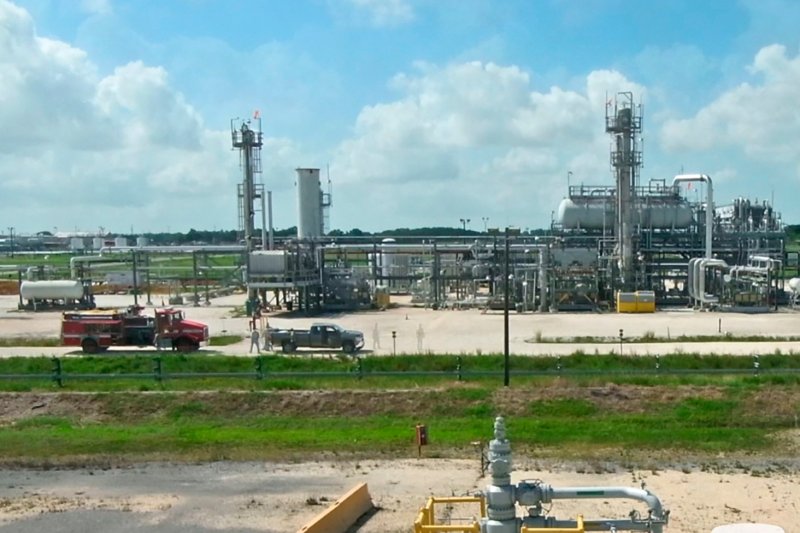
As the war in the Middle East roils global markets, member countries of the International Energy Agency (IEA) have discussed emergency energy supply measures, including a possible release of strategic oil reserves.
On the 10th (local time), foreign media including AFP reported that IEA Executive Director Fatih Birol said he had urgently convened a Group of Seven (G7) Finance Ministers' Meeting in Paris, France, and was also in close contact with energy ministers from major energy-producing countries.
Ahead of the meeting, Birol said, "We have convened a special meeting of member countries to assess supply security in light of the conflict in the Middle East and to decide whether to release emergency oil stocks."
He warned, "Conditions in the oil market have deteriorated sharply in recent days. It has become more difficult for tankers to pass through the Strait of Hormuz, and significant volumes of crude production have been disrupted, increasing risks to the market."
Gilberto Pichetto Fratin, Italy's Minister of the Environment and Energy Security, who attended the G7 ministers' meeting, said, "Countries have pledged to demonstrate strong solidarity, including using their strategic oil reserves to offset any global supply shortfalls."
The IEA did not disclose any decisions following the meeting.
IEA member states currently hold about 1.2 billion barrels of government-controlled strategic reserves and 600 million barrels of privately held stocks, for a total emergency volume of roughly 1.8 billion barrels.
International oil prices have shown extreme volatility in recent days. On the 9th, concerns over supply disruptions sent prices soaring by 30%, briefly pushing crude above 120 dollars per barrel. Prices eased somewhat on the 10th, stabilizing after United States of America (U.S.) President Donald Trump remarked that "the war with Iran will soon be over."
However, uncertainty remains high. Iran has warned, "As long as the U.S. and Israel continue their bombing, not a single liter of crude oil will be exported from the Gulf region."
French Minister of the Economy and Finance Roland Lescure stated, "It is not yet the time to release reserves, but we are preparing for every scenario," adding, "We have asked the IEA to update the latest inventory data and to draw up emergency scenarios."
He noted that while North America and Europe face no immediate supply problems, there are concerns about potential disruptions in Asia, which is highly dependent on crude shipments passing through the Strait of Hormuz.
The world currently consumes about 100 million barrels of oil per day. Since the 1973 oil shock, the IEA has required its member countries to hold emergency oil stocks equivalent to at least 90 days of their net imports to safeguard energy security.
[email protected] Yoon Jae-joon Reporter