Oil Reserve Release Hopes from IEA Send Global Crude Prices Down 10% in a Day
- Input
- 2026-03-11 01:13:46
- Updated
- 2026-03-11 01:13:46
On the 10th (local time), West Texas Intermediate crude oil (WTI) futures traded on the New York Mercantile Exchange (NYMEX) were at $83.40 per barrel as of 11:43 a.m. Eastern Time, down about 12% from the previous session. Brent Crude Oil, the global benchmark, fell 10.51% to $88.56 per barrel.
Market participants pointed to the growing likelihood that the International Energy Agency (IEA) will move to release emergency oil reserves as a key driver of the price drop. The IEA is scheduled to hold an emergency meeting today to discuss whether to tap its emergency crude stockpiles. IEA member states, which include major advanced economies in Europe, North America, and Northeast Asia, collectively hold about 1.2 billion barrels of strategic reserves.
However, some analysts say the supply shock itself remains at an unprecedented level. Energy consultancy Rapidan Energy Group assessed that the current war involving the Islamic Republic of Iran has triggered "the largest supply disruption in the history of oil."
Amin H. Nasser, chief executive officer of the Saudi Arabian Oil Company (Saudi Aramco), said, "There have been supply disruptions in the past, but this situation is the biggest crisis facing the Middle East oil and gas industry," warning that it "could lead to catastrophic consequences for the market."
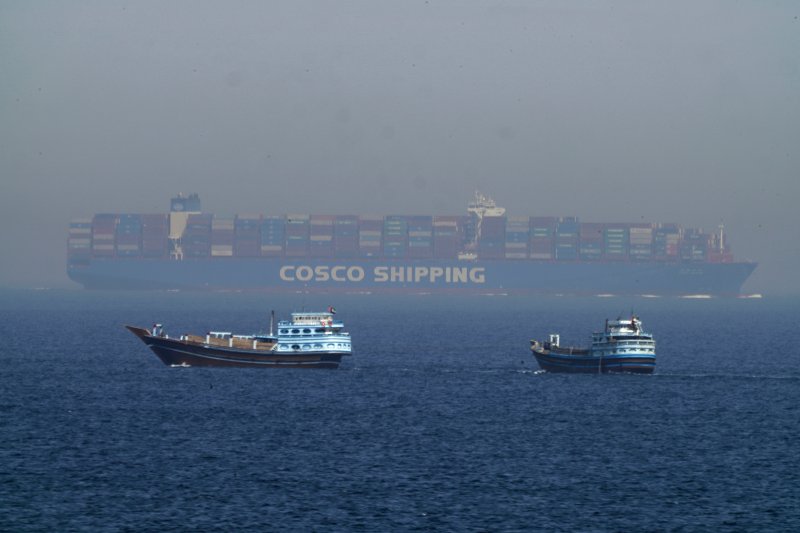
At present, fears of attacks by the Islamic Republic of Iran in the Strait of Hormuz area have left many oil tankers at anchor, causing continued disruptions to shipping.
Even so, there are expectations in the market that any blockade of the strait will not be prolonged.
Bob McNally, president of Rapidan Energy Group, noted, "There is considerable optimism in the market right now," adding that "'verbal intervention,' such as remarks by President Donald Trump, has contributed to the sharp drop in oil prices." He went on to say, "For decades, the market has operated on the assumption that no country would be allowed to blockade the Strait of Hormuz," and stressed, "This situation is a completely unexpected shock."
Meanwhile, U.S. President Donald Trump warned that the United States of America (U.S.) would respond with strong military action if the Islamic Republic of Iran blocks crude shipments through the Strait of Hormuz.
[email protected] Reporter Lee Byung-chul Reporter