Why Are the Korean Air Charter and Military Transport to the Middle East Delayed After Officials Said They Would Depart Soon?
- Input
- 2026-03-11 06:30:00
- Updated
- 2026-03-11 06:30:00
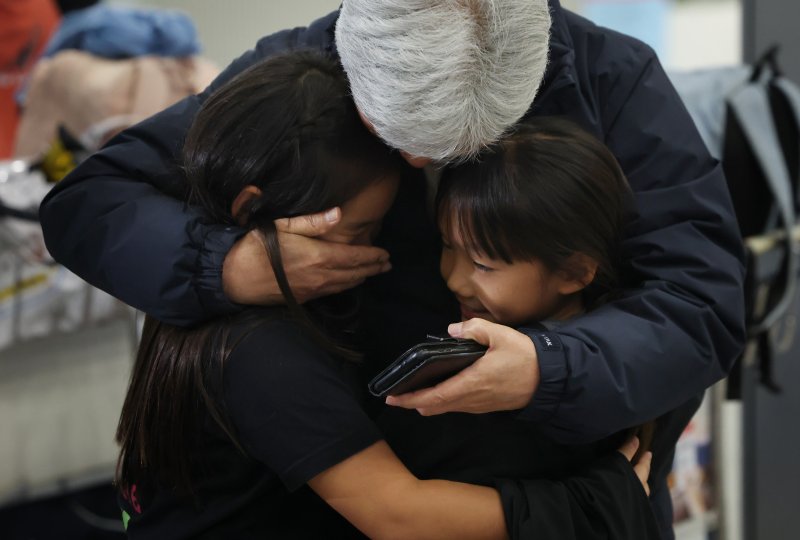
A government official explained, "We were prepared to send even a military transport aircraft if necessary, but it is no longer urgently necessary to dispatch them." The official added that the Ministry of Foreign Affairs quickly negotiated with partner countries in the Middle East and managed to secure emergency flights, even to destinations that previously had no direct service.
Minister of Foreign Affairs Cho Hyun personally called his counterparts in Middle Eastern partner countries such as the United Arab Emirates (UAE) and the State of Qatar to request support in arranging flights to evacuate Korean nationals. These countries responded positively to the request, opening up air routes for Korean citizens to return home. In some countries, including the UAE, one or two flights a week to Incheon have been added, allowing about 300 people at a time to fly back.
As a result, the urgency of sending a Korean Air chartered flight and a military transport aircraft appears to have diminished. In addition, many Koreans in the UAE and Qatar who had initially planned to evacuate have either withdrawn their intention to return or simply failed to show up at the airport, leading to a series of no-shows. This suggests that, for at least some of those trying to leave the Middle East, the sense of urgency is not as acute as initially feared.
According to the Ministry of Foreign Affairs, as of the 9th, about 14,700 Korean nationals were still staying in 14 countries across the Middle East. This is roughly two-thirds of the more than 21,000 recorded as of the 3rd, but a substantial number of Koreans remain in the region. The number of short-term residents in the Middle East fell from around 4,100 on the 3rd to about 2,100 on the 9th, a decrease of roughly half. The resumption of commercial flights departing from the UAE and the State of Qatar to Incheon appears to have contributed to the decline in the number of Koreans staying in the Middle East.
In contrast to Korea, Europe and the Republic of India have operated dozens of flights to transport their nationals. A government official noted, "European countries are located close to the Middle East and already have many flights serving the region, and the Republic of India also has a large population living in the UAE and other nearby countries." More than 9 million Indian overseas workers reside in Gulf states such as the UAE, the Kingdom of Saudi Arabia (KSA), and the State of Qatar, and hundreds of thousands of them have been traveling by air every week.
[email protected] Kim Kyung-soo Reporter