Central banks may pivot from rate cuts back to hikes as Fed easing bets fade
- Input
- 2026-03-10 04:58:30
- Updated
- 2026-03-10 04:58:30
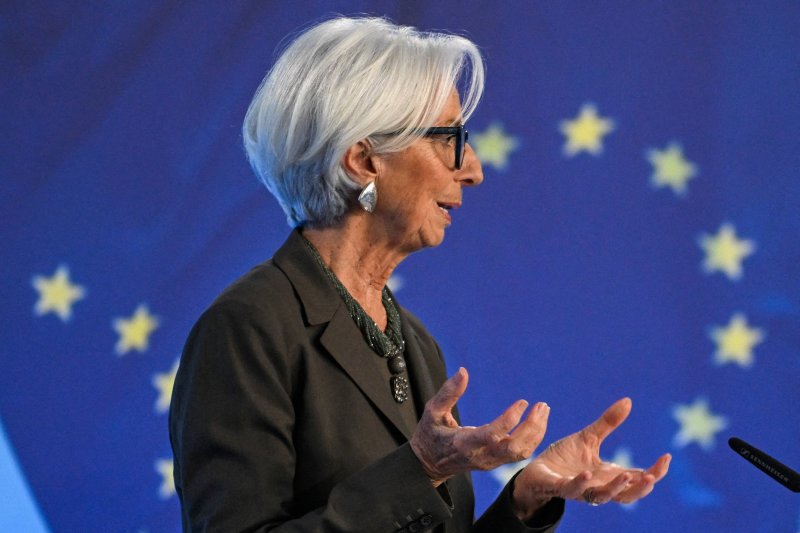
The Financial Times (FT) reported on the 9th, local time, that there is growing speculation the European Central Bank (ECB) will abandon the rate-cut cycle it began in 2024 and instead shift back toward raising interest rates.
Markets are now talking not just about a pause, but about the possibility of rate hikes.
The war involving the United States of America (U.S.), Israel and the Islamic Republic of Iran, which erupted on the 28th of last month when Washington and Israel launched a surprise strike on the Islamic Republic of Iran in the middle of nuclear talks, has now fed through into expectations of central bank rate hikes.
As the Islamic Republic of Iran played what many see as its "ultimate weapon"—the threat to close the Strait of Hormuz—international oil prices spiked. The prospect of rate cuts has largely vanished, and markets are now on high alert over the risk of rate increases.
Until recently, the dominant view was that there was roughly a 50–50 chance the ECB would continue cutting rates this year. Now expectations have shifted toward at least one 0.25 percentage point rate hike.
Markets had initially expected the Federal Reserve System (Fed) to cut rates two to three times this year. Those bets have now been scaled back to just one or two 0.25 percentage point cuts.
The main driver is the jump in oil prices. In electronic trading the previous day, crude briefly broke above 100 dollars per barrel, and although it closed below 100 dollars in regular trading thanks to coordinated action by the Group of Seven (G7), prices remain close to the 100‐dollar mark.
However, some warn that this brief stabilization may not last and that prices could surge as high as 200 dollars.
Frederik Ducrozet, head of macroeconomic research at Pictet Asset Management, said, "A global repricing of risk is under way," adding, "Bond markets have woken up to the reality that international oil prices could climb not just to 100 dollars a barrel, but to 150 dollars—or even 200 dollars."
Central banks typically respond to oil price spikes by waiting and watching. They monitor conditions closely before acting, because while higher oil prices push up inflation, consumers whose purchasing power has been eroded tend to cut back spending, which can ease price pressures over the longer term.
However, experts note that central banks, including the Fed, were widely criticized for failing to respond in time to the inflation surge triggered by supply-chain disruptions in 2022, thereby amplifying price increases. This time, they may move more quickly.
Michael Saunders, an economic adviser at Oxford Economics and a former member of the Bank of England (BoE) Monetary Policy Committee, said, "Central banks are traumatized by their experience over the past few years," and added, "This time they are trying to respond more immediately to shifts in inflation expectations."
Saunders went on, "Rather than waiting for second‐round effects to materialize as they did last time, central banks are now assuming those second‐round effects will emerge and will either raise rates or slow the pace of cuts."
Pricing in the swap market suggests the ECB is now expected to deliver at least a 0.25 percentage point hike this year, while the Bank of Canada is also seen as more likely to raise rates by 0.25 percentage point than to cut. The Swiss National Bank (SNB), which only a few months ago was associated with talk of returning to negative rates, is now leaning toward a 0.25 percentage point increase.
At one point on the morning of the same day, bets on a rate hike at the Bank of England (BoE) also surged. As the rise in oil prices narrowed, those wagers eased somewhat, but the previous consensus that the BoE would cut rates twice has effectively disappeared.
[email protected] Song Kyung-jae Reporter