Backed by the Military, Mojtaba Signals a Hardline Showdown With the US and Israel [US–Iran War]
- Input
- 2026-03-09 18:36:29
- Updated
- 2026-03-09 18:36:29
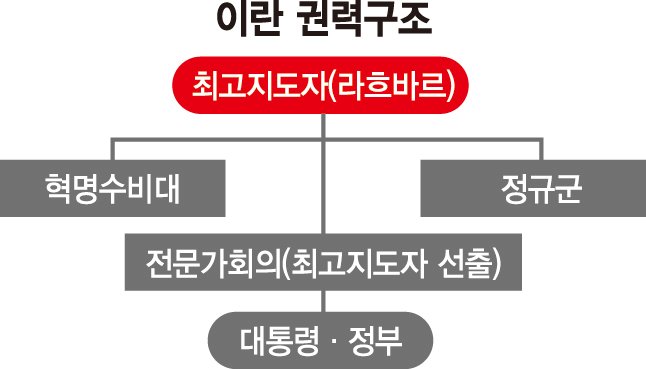
Analysts say this development is drawing the Islamic Republic of Iran’s power center even closer to the IRGC. Created under the constitution of the revolutionary government that toppled the pro‐US monarchy after the 1979 Islamic Revolution, the IRGC is a powerful military organization that maintains its own ground, naval, and air forces separate from the regular army. The Basij militia, a paramilitary force deployed to suppress anti‐government protests, is also under IRGC control. Mojtaba Khamenei has built close ties with the IRGC over the past 20 years. The symbolism of a martyr’s son leading the anti‐US struggle as Supreme Leader serves as a driving force that keeps hardline factions such as the IRGC and the Basij militia united. Ali Larijani, Secretary of the Supreme National Security Council, who had been mentioned as a potential successor, has also publicly declared his support. Under Mojtaba’s leadership, the war is now seen as more likely to become a long, drawn‐out conflict.
However, this succession could trigger controversy over hereditary rule and raise simultaneous questions about both political and religious legitimacy. Another variable is the anti‐government camp. In recent years, the Islamic Republic of Iran has seen repeated protests over women’s rights and economic hardship, but under wartime conditions and tight military control, overt political activity has been heavily suppressed.
[email protected] Kim Kyung-min Reporter