Diesel Prices Overtake Gasoline and Are Set to Rise Further [Era of $100 Oil]
- Input
- 2026-03-09 18:32:42
- Updated
- 2026-03-09 18:32:42
According to Korea National Oil Corporation (KNOC)'s oil price information system Opinet, as of 4 p.m. that day the nationwide average diesel price stood at 1,926.3 won per liter, higher than gasoline at 1,902.7 won. In Korea, gasoline has typically been more expensive than diesel because of the tax structure.
Recently, however, a sharp rise in international crude prices combined with instability in the Middle East has led to this reversal in prices.
In the global market, diesel is usually traded at about a 10% premium to gasoline. In fact, last year the average international diesel price was $87.73 per barrel, 11.3% higher than gasoline at $78.80.
The gap has widened further in recent weeks. In the Singapore oil products market, which serves as one of the benchmarks for domestic petroleum product supply prices, gasoline was priced at $113.10 per barrel on the 6th, while diesel was at $155.74, about 37.7% more expensive.
Analysts say diesel’s relatively high price stems from structurally tight supply compared with demand. Diesel also requires more complex refining processes than gasoline. When crude oil is refined, gasoline is easily extracted at the relatively low temperature range of about 30–140 degrees Celsius, whereas diesel is separated at 250–350 degrees. On top of that, it must go through hydrotreating to remove sulfur in order to meet environmental regulations.
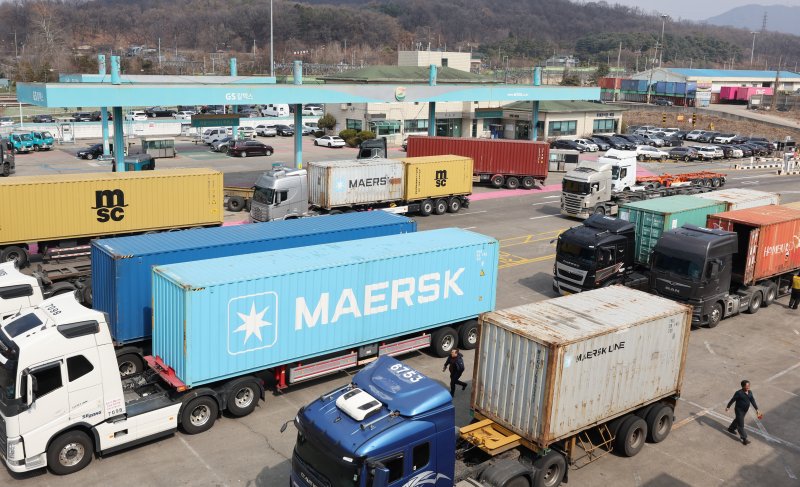
Demand patterns are another factor pushing diesel prices higher. Diesel is a key fuel across industry, powering trucks, ships, and industrial generators. When armed conflicts break out between countries, demand for fuel for military vehicles and equipment also rises, causing diesel consumption to spike. However, the yield ratios of petroleum products from crude oil are relatively fixed, so it is difficult to significantly increase the output of just one specific product.
In Korea, diesel prices have long been kept relatively low because of the tax structure. Fuel taxes consist of the transportation, energy and environment tax, individual consumption tax, education tax, and mileage tax. Among these, the transportation tax on gasoline is 492 won per liter, 154.5 won higher than diesel at 337.5 won. Other taxes are applied equally, so the final retail price has generally been higher for gasoline.
Industry officials warn that if international diesel prices remain far above gasoline, domestic diesel prices could face additional upward pressure.
They also note that with volatility in crude prices increasing due to instability in the Middle East, any further rise in diesel demand could amplify the price surge.
An industry official said, "Diesel and kerosene rely heavily on shipments from the Middle East, and recent logistics disruptions have reduced supply, causing their prices to rise faster than gasoline." The official added, "Since diesel prices have climbed more steeply than gasoline in the global market, this trend is inevitably being reflected in domestic prices as well."
solidkjy@fnnews.com Reporter Gu Ja-yoon Reporter