Inflation Fears Rise on Surging Oil Prices, Bond Short Positions Top 200 Trillion Won for First Time [fn Market Watch]
- Input
- 2026-03-09 06:03:00
- Updated
- 2026-03-09 06:03:00
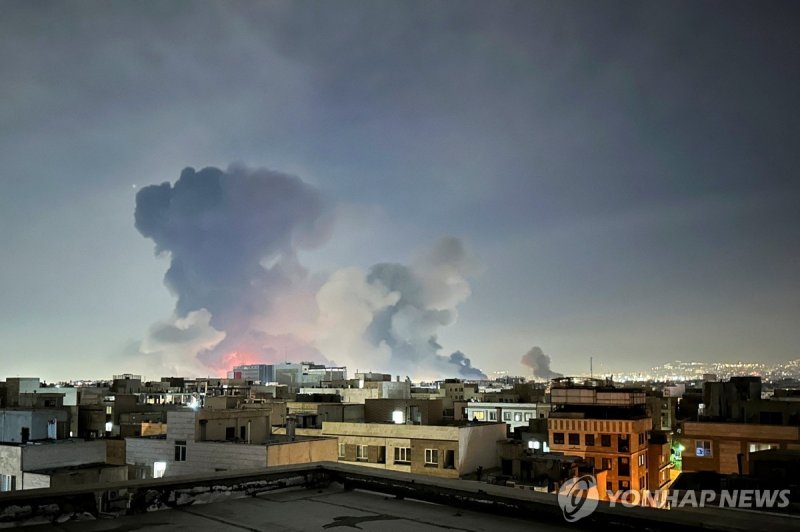
Concerns that higher oil prices will fuel inflation are pushing down bond prices and adding upward pressure on interest rates.
According to data from the Korea Financial Investment Association (KOFIA) Bond Information Center on the 9th, the balance of bond lending stood at 200.57 trillion won as of the 6th. That is an increase of more than 15 trillion won compared with 184.448 trillion won at the beginning of the year.
The rise in bond lending balances is interpreted as a sign that institutional trading aimed at hedging the risk of bond price losses has increased.
Previously, the war between the United States and Iran and the blockade of the Strait of Hormuz sent oil prices sharply higher, which in turn drove a surge in Treasury Bond yields on the 3rd. On the 4th, fears of a prolonged conflict and selling of government bond futures by securities firms pushed Treasury Bond yields further up.
Bond yields typically rise when economic growth, inflation, and risk appetite all strengthen. With the "partial blockade of the Strait of Hormuz," worries over higher oil prices have intensified, heightening anxiety about inflation.
Some are even warning that if Iran’s blockade of the Strait of Hormuz drags on, international oil prices could climb past 100 dollars a barrel and reach the 200-dollar range. These warnings are gaining traction amid concerns that persistently high oil prices could not only push inflation higher but also shock the global economy.
Reflecting this, the yield on the three-year Treasury Bond, which was around 3.0% on the 26th of last month, rose to 3.227% by the 6th of this month. Earlier forecasts by experts that the impact of the U.S.-Iran war on market interest rates would be limited have proven wide of the mark.
Jun-woo Park, a researcher at Hana Securities, noted, "The Strait of Hormuz has been partially blockaded, and the likelihood of a protracted conflict has increased." In this environment, some analysts say that fears of stagflation—high inflation combined with economic stagnation—have begun to be priced into financial markets.
Kim Chan-hee of Shinhan Securities analyzed, "Geopolitical tensions between the United States and Iran, which had been expected to pass without major disruption, escalated over the weekend, and financial markets have started to reflect concerns about stagflation."
He added, "We are not seeing selling of safe assets (bonds) driven by a preference for risky assets (stocks). Instead, both risky and safe assets are being sold simultaneously," and continued, "As of March 5, the Korea Composite Stock Price Index (KOSPI) had fallen 13% from its recent peak, while Treasury Bond yields rebounded sharply by 15 to 20 basis points across maturities."
khj91@fnnews.com Kim Hyun-jung Reporter