Kuwait, the World’s No. 5 Oil Producer, Cuts Output as Crude Nears $100 a Barrel [US–Iran War]
- Input
- 2026-03-08 18:26:47
- Updated
- 2026-03-08 18:26:47
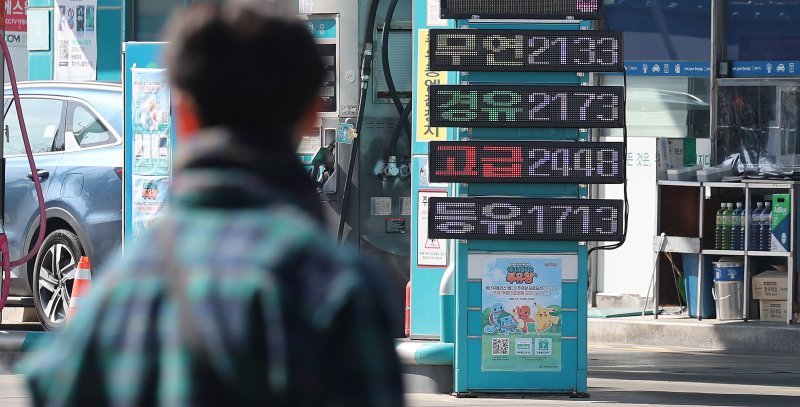
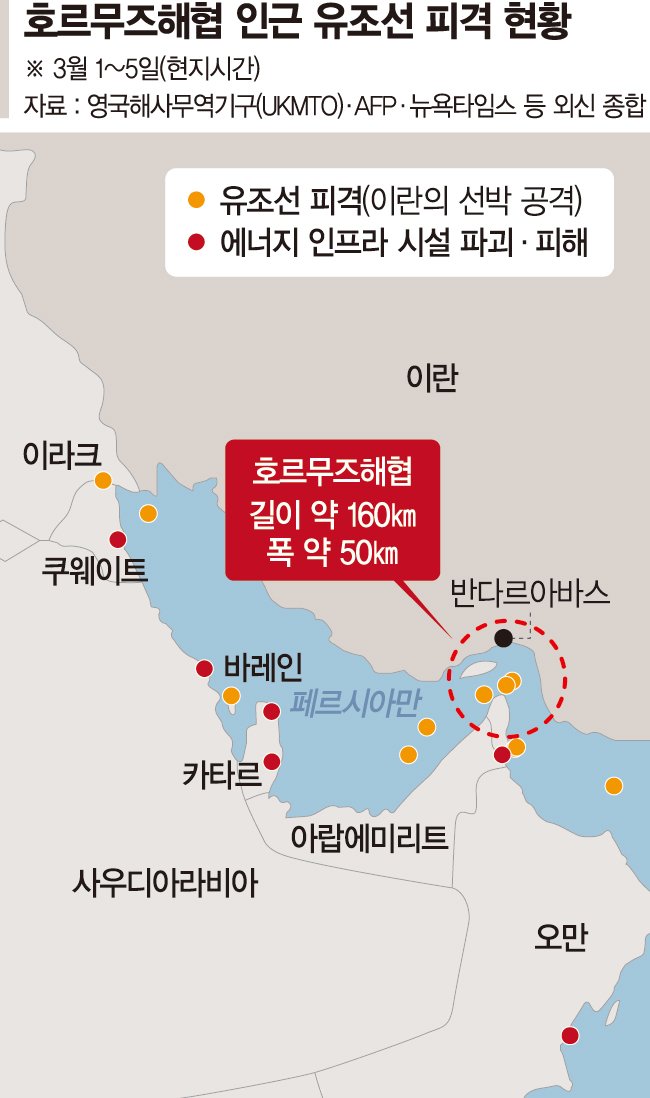
The Trump administration in the United States has announced a range of measures to try to cool the surge in oil prices, but market skepticism is mounting. Analysts warn that any steps will be only stopgaps unless the Strait of Hormuz, through which 20% of the world’s oil and natural gas flows, is reopened. Some have even cautioned that international crude prices could soon reach $150 a barrel.
Kuwait Petroleum Corporation (KPC), the state-owned oil company of Kuwait, said on the 7th local time, "Because tankers cannot pass through the Persian Gulf, we have reduced oil production and refining." It did not disclose the size of the cuts. As of January this year, Kuwait produced about 2.6 million barrels of oil per day, making it the fifth-largest producer within the Organization of the Petroleum Exporting Countries (OPEC).
Iraq also stated that since the 28th of last month it has been cutting production by 1.5 million barrels a day, including 700,000 barrels a day from Rumaila oil field, the country’s largest. Iraqi authorities added the same day that within a few days they will have to reduce daily output by 3 million barrels. Goldman Sachs forecast that oil prices could break through $100 a barrel within a week. It stressed that the key is lifting the blockade of the Strait of Hormuz, warning, "If the blockade continues, Brent crude oil is highly likely to exceed $147 a barrel, as it did in 2008 and 2022." JPMorgan Chase & Co. also projected that "by next weekend, total production cuts could reach 6 million barrels a day."
The seriousness of the situation lies in the fact that not only Kuwait and Iraq but all other Gulf oil producers will have little choice but to start cutting output within two to three weeks. Because tankers cannot enter Gulf waters, crude storage facilities are filling up, forcing producers to scale back production. Oil fields can take months to return to normal once shut down, so even if the strait blockade is lifted, crude supply will not rebound immediately. A temporary shortage of oil is likely to inflict prolonged damage on the global economy.
Meanwhile, with no sign that the situation will calm down in the short term, U.S. President Donald Trump declared his willingness to fight a medium- to long-term war, saying, "The only agreement with Iran will be unconditional surrender."
[email protected] Reporter