"I'm Spending an Extra 1.2 Million Won This Month Alone"...Truck Drivers Sigh as Fuel Prices Soar
- Input
- 2026-03-07 10:24:06
- Updated
- 2026-03-07 10:24:06
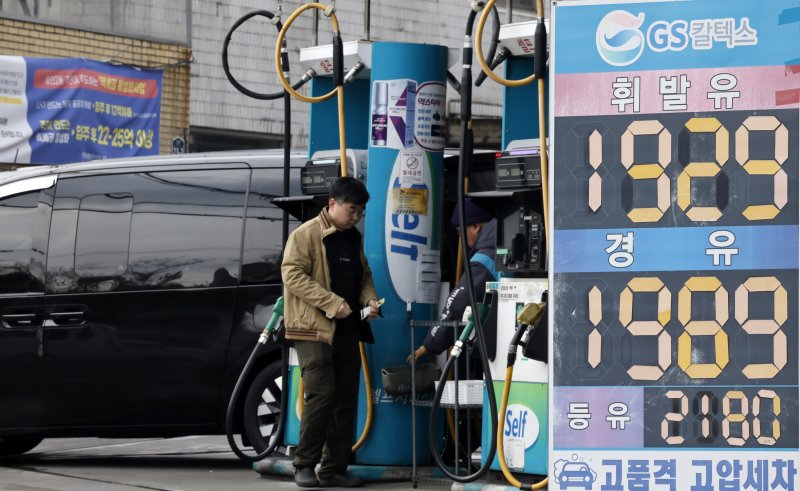
[The Financial News] Freight truck drivers are increasingly worried as oil prices surge amid instability in the Middle East. Freight rates have stayed the same, but their monthly fuel bills have jumped by 1.2 to 1.3 million won, sharply increasing their burden and, they argue, threatening their very livelihood.
According to Yonhap News Agency on the 7th, a 58-year-old trailer driver surnamed Baek drives his truck nationwide, covering around 500 kilometers a day and working more than 12 hours. He fills up with about 200 liters of diesel roughly every other day, and said the recent rise in fuel costs triggered by tensions in the Middle East is dealing a devastating blow to his household finances.
Baek said, "Just a week ago, diesel was in the 1,500 won per liter range, but yesterday it was 1,940 won," adding, "If my monthly revenue is 15 million won, about 5 million won goes to fuel, and this month I'll be spending an extra 1.2 million won because of the price spike."
He went on, "After deducting vehicle costs, maintenance and repair, taxes, and other miscellaneous expenses, my net income is about 5 million won, which works out to roughly the minimum wage by the hour," and explained, "If fuel costs go up by 1.2 million won, my income drops into the 3 million won range. For a family of four, that's a very real problem."
Baek stressed, "There is not a single shipper saying, 'Fuel prices have gone up, so we'll pay higher freight rates.' Under the current system, the entire burden of higher fuel costs falls on the drivers." He added with concern, "If this ends in two or three months, I could say I lost about 2 million won and move on, but if it drags on longer, what are we supposed to do?"
The spike in fuel costs from this crisis is also visible in the data. According to Opinet, the fuel price information service run by Korea National Oil Corporation (KNOC), the average diesel price at gas stations nationwide on the previous day was 1,890.73 won per liter, nearing the 1,900 won mark. Compared with the fourth week of last month, when it was 1,594.1 won, the price has jumped by nearly 300 won.
A 32-year-old driver of a 21-ton truck, surnamed Heo, also said, "I fill up with 320 liters of diesel about every other day. It used to cost 450,000 won each time, but now it's 560,000 won," and added, "With a 100,000 won difference every time I refuel, my monthly fuel bill will increase by 1.2 to 1.3 million won."
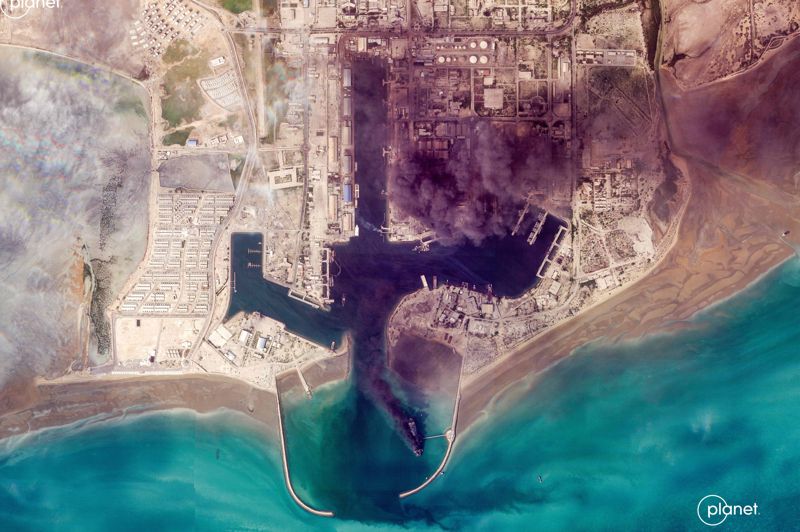
The problem is that international oil prices are also soaring due to the fallout from the current instability in the Middle East. Some are even warning that if the Islamic Republic of Iran maintains a prolonged blockade of the Strait of Hormuz, global oil prices could surge past 100 dollars a barrel and reach the 200-dollar range. If the conflict drags on, upward pressure on oil prices is likely to persist, inevitably adding to the burden.
Experts warn that rising oil prices will, with a time lag, push up transportation costs as well as prices for agricultural and livestock products, dining out, and other areas that directly affect the cost of living. Lee Eun-hee, a professor in the Department of Consumer Science at Inha University, said, "Freight transport is the first to come under pressure from rising costs, but in the end, production and distribution costs across all sectors will increase."
[email protected] Kim Hee-sun Reporter