Ruling party pushes mandatory value-up plans for firms with PBR below 1.0, citing Japan as a model
- Input
- 2026-03-06 15:52:00
- Updated
- 2026-03-06 15:52:00
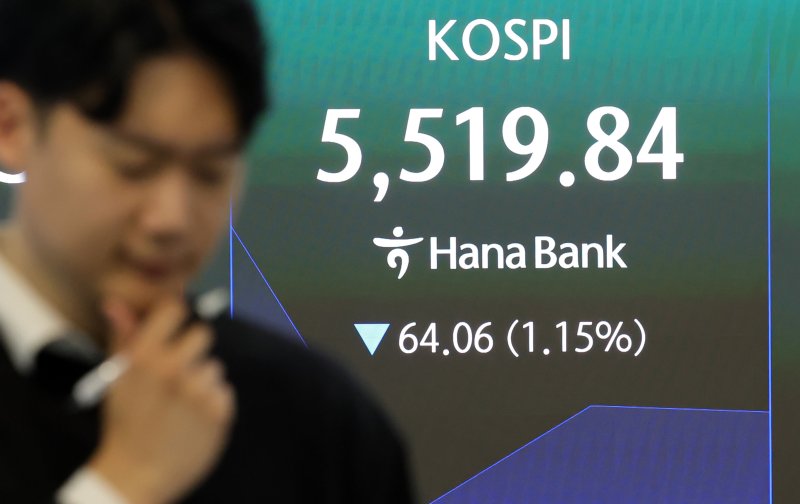
[Financial News] The Democratic Party of Korea is pushing legislation that would require listed companies with a price-to-book ratio (PBR) below 1.0 to disclose value-up plans. The move benchmarks Japan’s example and is expected to serve as a catalyst for a rebound in stock prices.
Kim Hyun-jung, a member of the Special Committee on the K-Capital Market for Korea Premium within the Democratic Party of Korea, proposed on the 6th an amendment to the Financial Investment Services and Capital Markets Act. The bill would oblige listed companies whose PBR remains below 1.0 for more than two years to publicly disclose plans to enhance their corporate value.
The required plans would need to include specific measures such as how distributable profits will be used, detailed policies on dividends and the acquisition, cancellation, and disposal of treasury shares, and strategies to improve business structure. The aim is to encourage listed companies to raise their corporate value so that it fundamentally exceeds their net asset value.
The legislation takes its cue from Japan. In 2023, the Tokyo Stock Exchange (TSE) asked companies with a PBR below 1.0 to submit improvement plans. As a result, investment inflows into the Japanese stock market increased, and Japanese companies’ return on equity (ROE) rose significantly.
In a phone call, Kim Hyun-jung explained, "By following Japan’s example, we want to encourage listed companies with a PBR below 1.0 to make efforts to enhance their corporate value."
Alongside this bill, the Democratic Party of Korea is also pursuing an amendment to the Inheritance Tax and Gift Tax Act to prevent deliberate stock-price suppression. Under the proposal, when a company’s PBR is below 0.8, the current system—under which up to a 20% premium is added to the market price as the tax base—would be replaced. Instead, the tax base would shift to a method used for unlisted shares, using fair value assessment and setting 80% of net asset value as the floor. The intent is to block practices of intentionally depressing share prices to reduce tax burdens related to business succession.
[email protected] Kim Yun-ho Reporter