"A Blockade of the Strait of Hormuz Would Hit the Korean Economy Hard"... Energy Supply on High Alert
- Input
- 2026-03-06 15:13:18
- Updated
- 2026-03-06 15:13:18
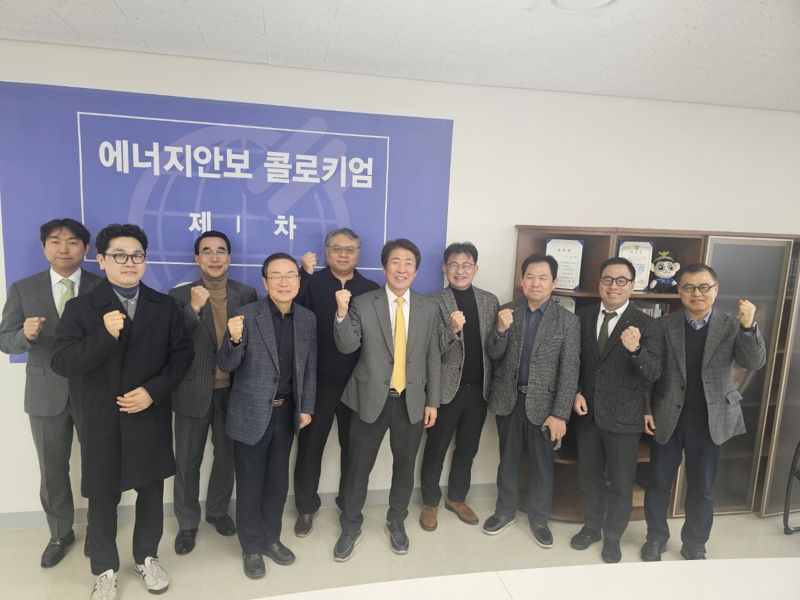
As military tensions rise in the Middle East and even the possibility of a blockade of the Strait of Hormuz is being discussed, experts are warning that South Korea must take preemptive measures to secure its energy supply.
According to industry sources on the 6th, the Energy Security and Environment Association conducted an emergency analysis of the energy supply situation in light of the deteriorating situation in the Middle East and announced response strategies. The association characterized the current developments not as a simple fluctuation in international oil prices, but as an energy security crisis that could threaten the entire industrial and financial system of the Republic of Korea (ROK).
The association noted that rising geopolitical tensions in the Middle East are already sending distress signals through global energy markets, including higher spot prices for Liquefied Natural Gas (LNG) in Northeast Asia, greater volatility in international oil prices, and increases in marine insurance premiums and tanker freight rates. It warned that even if an actual blockade does not occur, both energy transport costs and supply uncertainty could rise sharply at the same time.
Because Middle Eastern crude oil and LNG serve as benchmark prices for the Asian energy market, the association warned that a prolonged military conflict could trigger supply instability across Asia. For highly import-dependent countries like South Korea, it added, the shock could spread through higher manufacturing production costs, more volatile electricity prices, and broader inflationary pressure.
As a response, the association proposed an "energy–defense convergence security" strategy, referred to as Energy-Defense Security Convergence (EDSC). Under this concept, South Korea would supply weapons systems such as the Korean missile defense system "Cheongung-II" to Middle Eastern countries and, in return, secure crude oil through an integrated "energy–defense package deal" to stabilize its energy supply routes.
The association also explained that while South Korea’s current strategic petroleum reserves are estimated at about 208 days of consumption, this figure is a dynamic indicator that can rise or fall depending on circumstances. In a severe crisis, general consumption may decline, extending the effective coverage period, but in the early stages—when industrial activity is still maintained—higher consumption could shorten that period.
The association stressed that, in the event of releasing strategic reserves, the government must review the entire release infrastructure, including port unloading capacity, refinery processing capability, and inland transportation networks. It further recommended using the recently enacted Special Act on National Resources Security to prepare policy tools such as releasing reserves and easing private stockpiling obligations.
Lee Woong-hyuk, President of the Energy Security and Environment Association, stated, "Energy security is about protecting the lifeblood of the national economy," adding, "We must use the two pillars of the K-Defense Industry and independent resource development as levers to overcome the Hormuz risk and expand the ROK’s energy security domain."
[email protected] Kim Ye-ji Reporter