Memory prices surge, but pricing strategies diverge: Samsung focuses on profitability, Apple on expanding its user base
- Input
- 2026-03-06 06:59:00
- Updated
- 2026-03-06 06:59:00
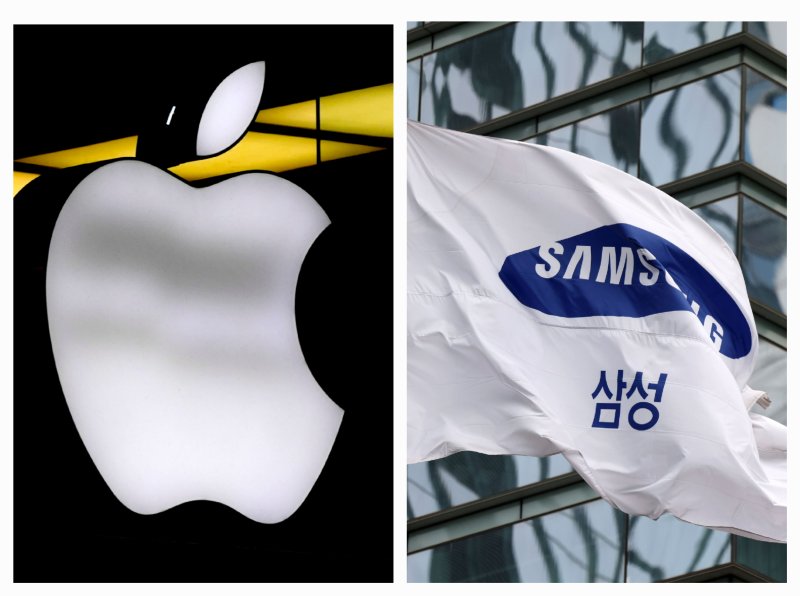
[Financial News] As warnings of a sharp downturn hit the smartphone and notebook markets this year, Apple and Samsung Electronics are taking different approaches to pricing. With rising memory costs putting strong upward pressure on device prices, Samsung Electronics has increased prices on key products such as the Samsung Galaxy S series and the Samsung Galaxy Book 6 to defend profitability. Apple, on the other hand, is expanding the base storage of its budget iPhones, iPads, and MacBook lineup while limiting price increases, signaling a clear focus on growing its market share.
According to industry sources on the 6th, Apple on March 3 (local time) released new MacBook Air and MacBook Pro models (14-inch and 16-inch) equipped with chips that deliver higher performance than their predecessors.
What stands out is that Apple sharply increased the base storage capacity of the new models despite tight memory supply. The MacBook Air’s base storage has doubled from 256GB (gigabytes) to 512GB, and the MacBook Pro’s from 512GB to 1TB (terabyte). Even so, the price increase over the previous generation has been kept to the low 10% range, leading some consumers to say the devices now offer better "value for money."
The new Apple iPad Air unveiled the previous day also received a performance upgrade and an increase in base RAM from 8GB to 12GB, while its price was kept unchanged. The budget model iPhone 17e likewise saw various performance improvements and a doubling of base storage from 128GB to 256GB, yet its price was set at the same level as the previous generation.
Given that memory prices have multiplied over the past year, industry observers say Apple’s strategy of increasing memory capacity while freezing prices or keeping price hikes to a minimum is highly unusual.
Samsung Electronics, Apple’s biggest rival, recently unveiled the Samsung Galaxy S26, Samsung Galaxy S26 Plus, and Samsung Galaxy S26 Ultra. It kept RAM capacities the same as the previous models but raised prices across the entire lineup for the first time in three years.
The top-tier Samsung Galaxy S26 Ultra 1TB model is 19.6% more expensive than its predecessor. Even the most basic Samsung Galaxy S26 model saw its factory price for the 512GB version rise by 16.1%.
The new Samsung Galaxy Book 6 Pro notebook, which Samsung Electronics introduced in January, has also seen steeper price hikes than the MacBook. Depending on the configuration, prices for the Samsung Galaxy Book 6 Pro have risen by between 25.0% and 47.1%.
Industry watchers believe Apple’s decision to hold the line on device prices despite upward pressure is a calculated move to expand its market share. With chipflation expected to significantly shrink the smartphone and notebook markets this year, Apple is effectively making a bold bet.
Market research firm Counterpoint Research forecasts that global smartphone shipments will fall 12.4% year-on-year this year, due in part to higher memory prices. This would mark the largest annual decline on record. The outlook for notebooks is also bleak: TrendForce expects global notebook shipments to drop 9.4% from a year earlier.
Unlike the Google Android ecosystem used by the Galaxy series, Apple has built its own software ecosystem, which analysts say is another reason for the divergent strategies. Because of this closed ecosystem, Apple has more room to offset weaker hardware margins with software-related revenue.
An industry insider noted, "In Apple’s case, it generates substantial revenue from its own services, including App Store commissions, cloud services, and Apple Music," adding, "Compared with other smartphone makers that rely on the Android ecosystem, Apple has much more leeway to hold the line on hardware prices."
[email protected] Jung Won-il and Lim Su-bin Reporter