Samsung Electronics and SK Hynix Face a ‘Black Tuesday’? Nvidia Jumps 3% Despite Middle East Airstrikes [MZ Money Diary]
- Input
- 2026-03-03 07:02:58
- Updated
- 2026-03-03 07:02:58
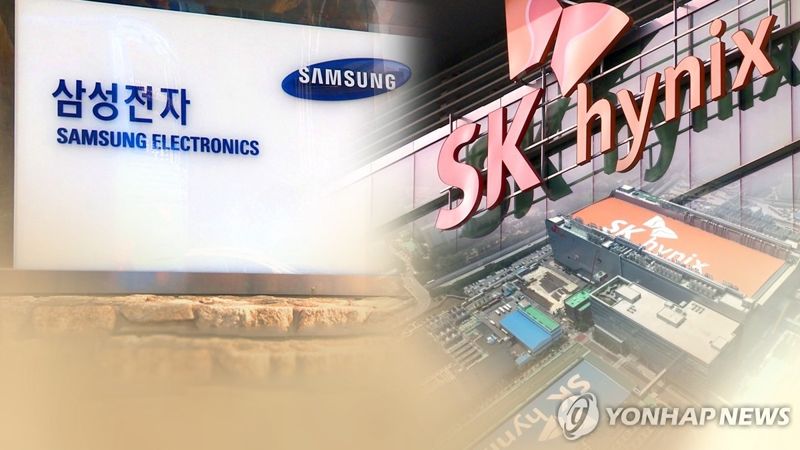
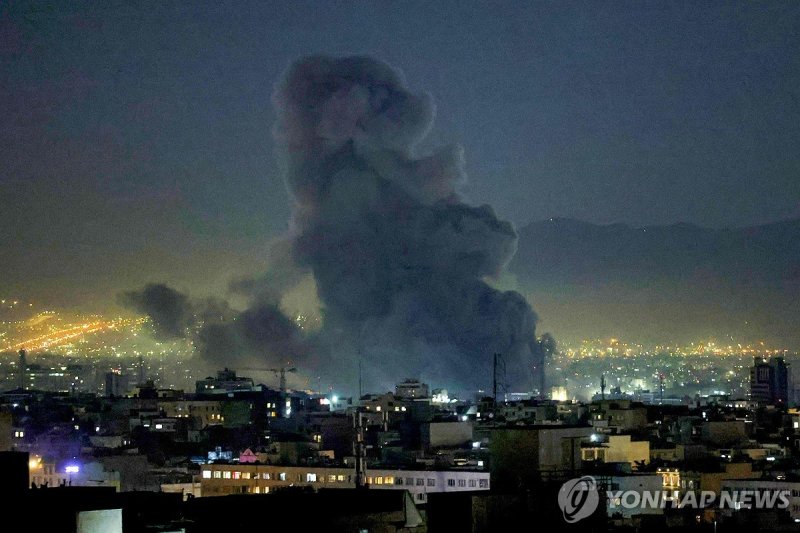
According to Financial News, geopolitical risks stemming from military clashes between the United States of America (U.S.) and Iran in the Middle East have intensified, pushing international oil prices up to 80 dollars per barrel. Major Asian markets, including Japan and Hong Kong, declined, while U.S. stocks erased steep early losses and ended the session mixed.
With the domestic market closed on Monday for the March 1 Independence Movement Day substitute holiday, Korean stocks will reflect the Middle East risk for the first time on the 3rd. Attention is focused on whether the AI semiconductor rally in Samsung Electronics and SK Hynix, which each surged more than 10% just last week, can continue.
Nasdaq rebounds intraday and ends mixed, WTI pares gains
On the 2nd (local time) at the New York Stock Exchange (NYSE), U.S. stocks opened sharply lower but trimmed losses as the rise in crude prices moderated. The S&P 500 Index even turned higher during the session.
The Nasdaq Composite Index also climbed around 0.3%. The Dow Jones Industrial Average (DJIA) fluctuated around the flat line. West Texas Intermediate (WTI) crude at one point spiked as much as 12%, but later pared its gain to the 5% range. This was attributed to easing concerns over a possible blockade of the Strait of Hormuz. Nvidia Corporation rose nearly 3%, with large-cap technology stocks leading the rebound in the indices.
Asian markets weaken, semiconductor leveraged ETFs drop over 7%
Against this backdrop, major Asian stock markets closed lower as heightened military tensions in the Middle East dampened investor sentiment. On the 2nd, Japan’s Nikkei 225 Index ended the session at 58,057.24, down 793.03 points, or 1.35%, from the previous trading day.
The Hang Seng Index (HSI) in Hong Kong also fell 2.14%, posting a weak performance. A Samsung Electronics 2x leveraged exchange-traded fund (ETF) and an SK Hynix 2x leveraged ETF listed in Hong Kong each plunged more than 7%. Analysts said risk-off sentiment triggered by geopolitical risks was first and foremost reflected in highly volatile semiconductor-related products.
Foreign selling hits major semiconductor stocks, oil price surge emerges as key variable
Korea’s leading semiconductor stocks have recently faced persistent foreign selling. According to the Korea Exchange (KRX), foreign investors recorded net sales of 1.1274 trillion won in Samsung Electronics between the 24th and 28th of last month. SK Hynix also saw net selling of 684.3 billion won. As foreign ownership in both stocks exceeds 50%, they are highly sensitive in terms of fund flows to external shocks.
On top of this, the sharp jump in energy prices has emerged as an additional variable. On the 2nd, Brent crude oil futures briefly topped 80 dollars per barrel and climbed into the 82-dollar range. JPMorgan warned in a report that if the Iran situation drags on, international oil prices could rise above 100 dollars. Continued gains in crude prices could affect inflation and the path of monetary policy, and are therefore cited as a factor that could increase overall stock market volatility.
Earnings improvement expectations remain intact, market seeks direction
Experts, however, note that while higher oil prices can add upward pressure on inflation, the structural growth trend of the semiconductor industry remains solid. Expectations for earnings improvement are still valid, driven by expanding investment in Artificial Intelligence (AI) servers and rising demand for High Bandwidth Memory (HBM). Ultimately, future share prices are likely to show volatility depending on how the market weighs these two opposing forces.
Some analysts also argue that despite external headwinds, the fundamentals of the Korean stock market are showing a differentiated trajectory.
Jung Hae-chang, a researcher at Daishin Securities, stated, "Potential uncertainty factors such as the situation between the United States and Iran and whether a confirmation hearing will be scheduled for Kevin Warsh as the next chair of the Federal Reserve System (the Fed) could increase volatility." He added, "The Korea Composite Stock Price Index (KOSPI) is showing a differentiated pattern compared with past phases when it rose mainly on liquidity, centered on upward revisions to earnings forecasts for the semiconductor sector." He went on to say, "It does not appear that the all-time high trend will reverse."
[email protected] Han Seung-gon Reporter