Six Major Business Groups Urge Swift Passage of Special Act on Investment in the United States, Citing Concerns Over Semiconductors and Autos
- Input
- 2026-03-03 06:00:00
- Updated
- 2026-03-03 06:00:00
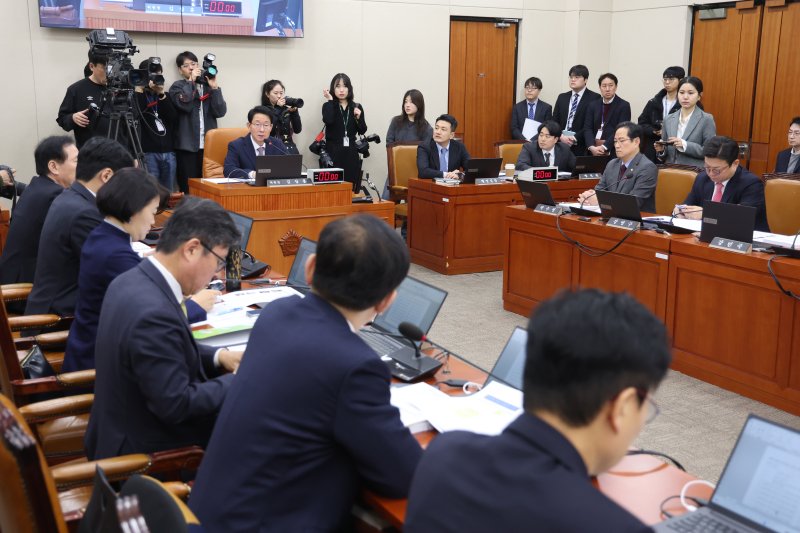
The six organizations — the Korea Chamber of Commerce and Industry (KCCI), The Federation of Korean Industries (FKI), Korea International Trade Association (KITA), Korea Enterprises Federation (KEF), Korea Federation of Mid-sized Enterprises, and Korea Federation of SMEs (KBIZ) — issued an emergency appeal the same day. In it, they said, "We earnestly ask the National Assembly to pass the special act on investment in the United States within the activity period of the Special Committee, so that our companies can minimize trade risks and actively expand exports to the U.S."
The six organizations stated, "Following the Supreme Court of the United States (SCOTUS) ruling that the International Emergency Economic Powers Act (IEEPA) was applied unlawfully, the United States may use alternative legislation and other tools to maintain its existing tariff policy direction, while additionally imposing selective tariffs on certain countries and items." They added, "This presents a grave situation in which exports to the U.S. of Korea’s key industries — including semiconductors, automobiles, and pharmaceuticals — could be directly affected, and there are serious concerns about a decline in industrial competitiveness."
The business community believes that, amid rapidly shifting international conditions such as heightened military tensions between the United States of America (U.S.) and the Islamic Republic of Iran, swift passage of the special act on investment in the United States has become even more crucial.
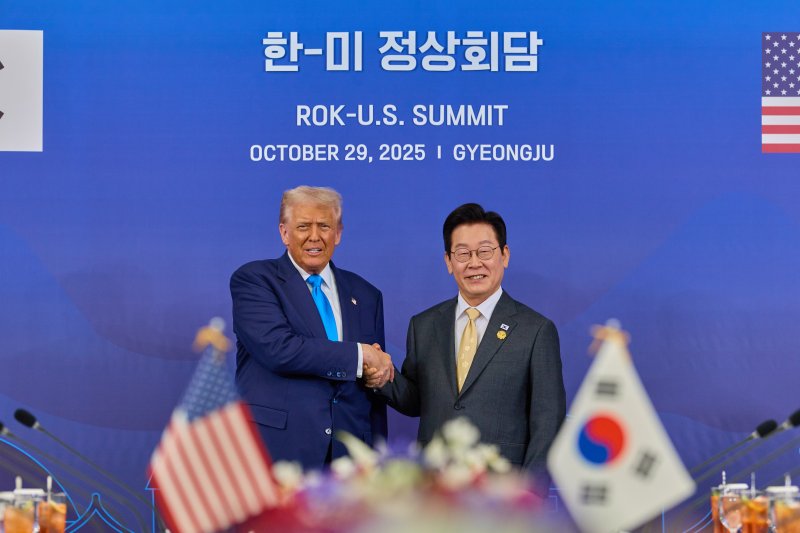
Last year, the South Korean government pledged a total of 3,500 dollars in investment in the United States in return for tariff reductions and other concessions from the U.S. The special act on investment in the United States currently before the National Assembly is intended to support this pledge. It provides for the establishment of the Korea–U.S. Strategic Investment Fund and the creation of the Korea–U.S. Strategic Investment Corporation. The opposition parties argue that the Korea–U.S. trade and investment agreement imposes a significant burden on the national finances and therefore requires prior ratification consent by the National Assembly under Article 60(1) of the Constitution of the Republic of Korea. The ruling party counters that the agreement is not a treaty but merely a Memorandum of Understanding (MOU) with limited legal force, and thus can be implemented sufficiently through the special act alone without separate ratification.
The previous day, Democratic Party of Korea (DPK) floor leader Han Byung-do called on the People Power Party to agree to handle the special act on investment in the United States. He warned that if the act is not dealt with by the Special Committee by the 9th, the deadline agreed upon by the ruling and opposition parties, he would "make a grave decision." This has been interpreted as suggesting that the bill could be brought directly to a plenary session by the speaker’s authority. The special parliamentary committee on the special act on investment in the United States is currently chaired by the People Power Party.
Under this pressure from the DPK, the ruling and opposition parties have agreed, for now, to convene a full meeting of the special committee and its subcommittee on the 4th to review the bill, and then put it to a vote at a full meeting on the 9th.
[email protected] Cho Eun-hyo Reporter