U.S.–Iran War Shakes Energy Markets; Gas Prices Soar 50%
- Input
- 2026-03-03 00:52:52
- Updated
- 2026-03-03 00:52:52
In the market, some are warning that "the real problem is gas, not oil." Analysts are even suggesting that the scale of the supply shock could exceed that of the 2022 Russian gas cutoff.
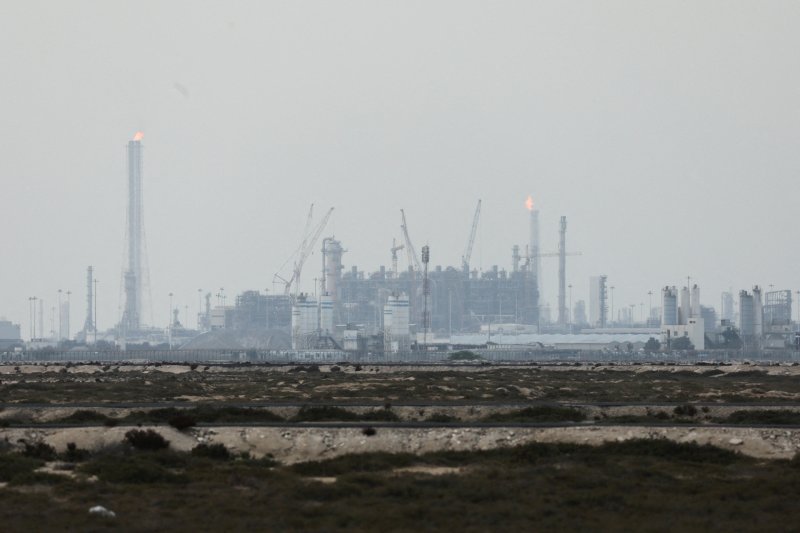
QatarEnergy, the world’s largest LNG producer, decided to suspend production after Iran struck its energy facilities with drones. Qatar’s LNG accounts for about 20% of global supply. The Title Transfer Facility (TTF), Europe’s gas benchmark, surged to 47.80 euros per MWh, a jump of nearly 50%. It was the largest one-day increase in four years.
International crude prices also climbed, with oil rising 9% to 79.41 USD per barrel. Shipments through the Strait of Hormuz, which handles 20% of the world’s oil and gas trade, have effectively come to a standstill.
Experts warn that if gas supply disruptions from the Middle East persist, the shortfall could reach 120 billion cubic meters a year. When Russia cut pipeline gas flows to Europe after its 2022 invasion of Ukraine, the lost volume was about 80 billion cubic meters. On a simple comparison, the current shock could be even larger.
Anne-Sophie Corbeau of the Center on Global Energy Policy at Columbia University told the Financial Times (FT), "The volumes themselves are larger, but the key question is how long this will last."
The gap left by Qatari supply is expected to push Europe and Asia into fierce competition to secure LNG cargoes. According to energy data provider Kpler, India relies on Qatar for more than 45% of its LNG imports, while China sources about 30% of its LNG from Qatar.
Europe, which has increased its reliance on LNG to replace Russian gas, is also unlikely to escape unscathed. The region is currently heading into the post-winter period with relatively low inventory levels.
Financial markets reacted immediately as well. The price of gold rose 1.4%, reflecting stronger demand for safe-haven assets. The United States dollar (USD) also gained 0.8% against major currencies.
By contrast, the S&P 500 Index and the Nasdaq Stock Market (NASDAQ) each fell 0.6%, while the STOXX Europe 600 Index plunged 2%. Airline, hotel, and automobile stocks led the declines.
[email protected] Reporter Lee Byung-chul Reporter