[Editorial] As U.S.–Iran conflict escalates, Korea must prepare for prolonged Middle East risk
- Input
- 2026-03-02 18:42:06
- Updated
- 2026-03-02 18:42:06
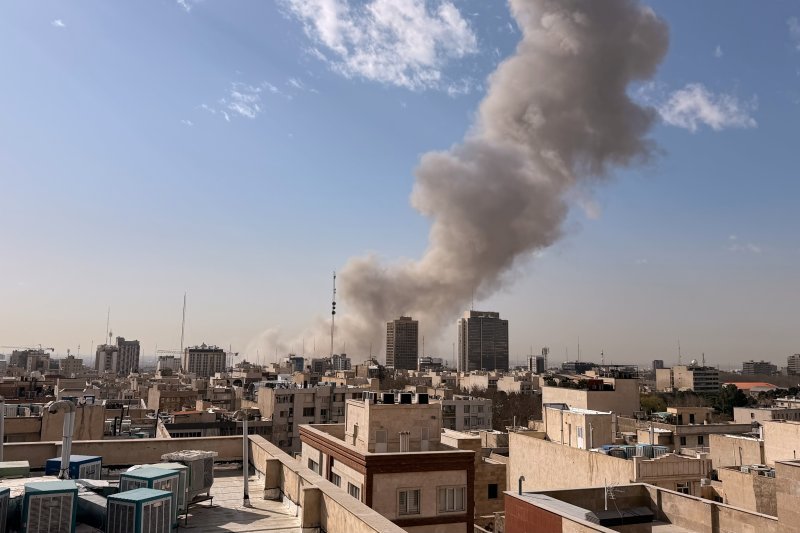
The four Arab–Israeli wars of the past were essentially clashes between Israel and a few nationalist Arab states. This time, however, the United States has entered the fray with direct military action, and major Middle Eastern countries are involved either directly or indirectly, making the potential fallout far greater. It is becoming the most significant geopolitical upheaval since the Iranian Revolution of 1979, which toppled the pro-Western Pahlavi dynasty and established the Islamic Republic of Iran.
When the first airstrikes by the U.S. and Israel took place, many expected a short conflict, given the death of Supreme Leader of Iran Ali Khamenei and the clear military imbalance between the parties. However, Iran’s immediate retaliation and the mobilization of pro-Iranian forces have broadened the battlefield, making it difficult to rule out a prolonged war. U.S. President Donald John Trump stated in a video message on social media, "Combat operations are continuing in full, and they will go on until every objective has been achieved."
The course of the war will depend on the "objectives" President Trump referred to. If the goal is limited to destroying military facilities, an early end may still be possible. But if it extends to seeking structural change in the regime itself, a prolonged political and military standoff will be unavoidable.
If this conflict, already being called the "Fifth Middle East War," drags on, the global economy could face a serious crisis. Should the Strait of Hormuz, through which an average of 20 million barrels of crude oil pass each day, be completely shut down, energy shipments would be virtually paralyzed and international oil prices would likely soar. The Financial Times (FT) has reported that oil prices could immediately jump by 5–15%. A sharp rise in oil prices would intensify inflationary pressures, trigger interest rate hikes, and lead to a vicious cycle of weaker corporate profitability, slower growth, and greater stock market volatility. The world economy could be plunged into a state of "zero visibility."
Middle East risk could also deal a direct blow to the Korean economy. If energy supplies are disrupted and oil prices become unstable, industrial competitiveness will weaken, while a rising won–dollar exchange rate and higher inflation could together amplify uncertainty across the entire economy. Exports and projects that Korean companies in defense, automobiles, and other sectors have been pursuing with Middle Eastern countries are also highly likely to be disrupted. Large-scale, state-led projects and Research and Development (R&D) programs in the Kingdom of Saudi Arabia (Saudi Arabia) and the United Arab Emirates (UAE) may likewise be affected.
The government has activated a Pan-government Joint Emergency Response Team led by the Deputy Prime Minister for Economic Affairs. Officials must recognize that, compared with past crises, the scope of the current shock is broader and its trajectory far harder to predict. They should urgently review the nation’s strategic oil reserves, prepare for the possibility of a Strait of Hormuz blockade, and move quickly to diversify import sources and establish emergency transport measures. At the same time, monetary and fiscal authorities need to strengthen policy coordination to cope with simultaneous rises in oil prices, exchange rates, and inflation, while putting in place preemptive support for industries and exporters with strong ties to the Middle East. Above all, the government must avoid complacency, maintain close communication with markets, and do everything possible to minimize uncertainty.