[Editorial] Strengthen Economic Monitoring to Prepare for Prolonged Middle East Risk
- Input
- 2026-03-01 18:57:44
- Updated
- 2026-03-01 18:57:44
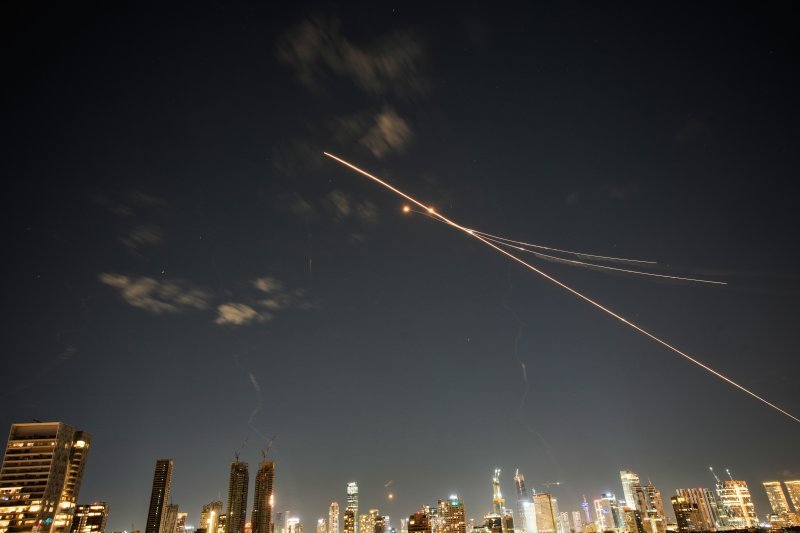
The immediate impact is already visible in oil prices and logistics. Global investment banks predict that if the Strait of Hormuz is completely blocked, international oil prices could break through 100 dollars per barrel. This would be a surge from the current level of around 70 dollars. The logistics market is also entering an emergency phase. The Korea International Trade Association (KITA) has warned that if the Strait of Hormuz is closed and ships are forced to use alternative routes, ocean freight rates could jump by as much as 80 percent and transit times could increase by three to five days. As the burden of higher oil prices and logistics costs grows, it will inevitably undermine efforts to stabilize inflation in many countries. At the same time, rising input costs for companies will weigh on economic growth.
Some observers argue that the death of the Iranian supreme leader has effectively resolved Middle East risk. Such a view is only valid when the region is on a stable footing. For now, it remains to be seen whether the situation in the Islamic Republic of Iran will spill over into domestic political instability. The political turmoil triggered by Khamenei’s death is likely to persist for quite some time. Historically, when other countries have undergone leadership changes or internal rifts within the ruling power, power struggles and policy confusion have often intensified. Following news of Khamenei’s death, there are already signs of rising internal tensions in Iran, with the IRGC taking a hard‐line stance.
Against this backdrop of instability in the Middle East, the government’s decision to convene emergency meetings across ministries and launch urgent reviews is an appropriate initial response. A system must now be in place to quickly assess and respond to the negative impact on South Korean companies and the broader economy. Recently, the economy has begun to pull itself out of a slump and move back onto a growth path. The Korea Composite Stock Price Index (KOSPI) recently broke through the 6,300 mark for the first time ever, bringing long‐absent vitality to the market. The US Dollar–South Korean Won exchange rate has also fallen below 1,450 won for the first time in four months, showing signs of stabilization. However, if Middle East risk fully materializes, this momentum could evaporate in an instant. A stronger preference for safe assets would push the exchange rate back up, while a spike in oil prices would fuel inflation and dampen the recovery in consumption. The current trade surplus could also be undermined by a sharp increase in energy import costs.
It is particularly important not to focus solely on the immediate crisis. The situation must be monitored from a long‐term and structural perspective, including possible changes in Iran’s internal political order. Shifts in the Middle East could signal a change in the US strategy toward the region. This, in turn, is closely linked to a reorganization of the global energy supply system. Such developments could significantly affect South Korea’s export markets, its energy security, and its diplomatic and security position.
The government should assume that this crisis may be prolonged and establish a detailed monitoring framework along with scenario‐based response strategies. It needs to reassess emergency plans for energy supply and accelerate efforts to diversify sources so as to reduce dependence on the Middle East. Furthermore, South Korea should treat the uncertainty emanating from the region not only as a threat but also as a test and an opportunity for a new leap forward for its economy.