Koo Yun-cheol Vows to Respond Swiftly to Volatile Global Energy Prices, Emergency Task Force to Monitor 24/7
- Input
- 2026-03-01 13:16:37
- Updated
- 2026-03-01 13:16:37
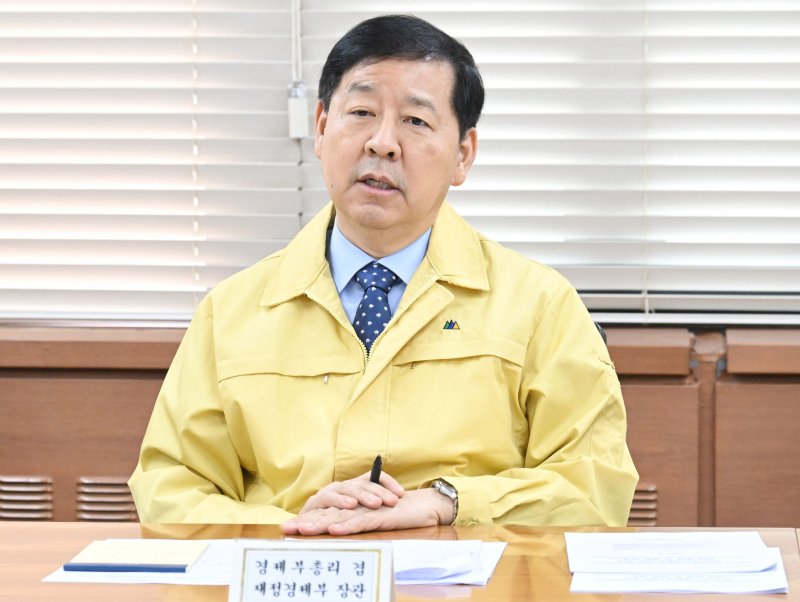
According to The Financial News, Koo Yun-cheol, Deputy Prime Minister for Economic Affairs and Minister of Finance and Economy, held an emergency interagency meeting at Government Complex Seoul on the 1st to review the situation in the Middle East. Officials examined developments following the United States of America (U.S.) and the State of Israel's airstrikes on the Islamic Republic of Iran, and discussed the impact on domestic and global financial markets and the real economy, as well as future response measures.
Participants noted that, while South Korea currently has sufficient domestic oil reserves and the capacity to respond to supply disruptions, military tensions in the Middle East could persist. They therefore assessed that volatility in international financial and energy markets is likely to remain elevated for the time being.
Koo said, "Given the high uncertainty over how the situation in the Middle East will unfold, relevant agencies must respond with heightened vigilance," adding, "In particular, because the Middle East is a region on which we heavily depend for energy, we need to respond swiftly to volatility in international energy prices stemming from potential instability in the Strait of Hormuz."
He went on to say, "We will closely monitor the operating status of our vessels, including oil tankers and Liquefied Natural Gas carriers (LNG carriers) currently sailing near the Middle East, and make every effort to ensure there are no disruptions to energy supplies."
The government plans to operate a joint emergency response task force, led by the deputy prime minister for economic affairs, to coordinate among relevant agencies on the real economy, energy, financial markets, and developments in the Middle East. This task force will monitor conditions on the ground in the Middle East, as well as domestic and global financial markets and the impact on the real economy, including energy, exports, shipping, aviation, and supply chains, around the clock.
In addition, if any abnormal signs emerge, the government intends to respond swiftly under close interagency cooperation, following pre-established contingency plans tailored to different scenarios.
[email protected] Reporter Seo Young-jun Reporter