Will Middle East logistics grind to a halt? South Korean aviation and shipping industries on high alert [U.S. strike on Iran]
- Input
- 2026-03-01 10:18:33
- Updated
- 2026-03-01 10:18:33
[Financial News] With the death of Islamic Republic of Iran Supreme Leader Ali Hosseini Khamenei on the 28th (local time), major repercussions are expected for international affairs worldwide, including in the Middle East.
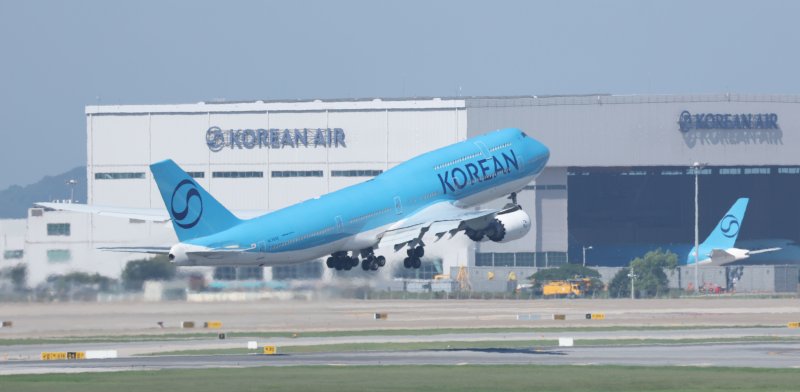
In South Korea, rising tensions in the Middle East have put the aviation and shipping industries on emergency footing. Korean Air has suspended its Dubai route, and the prospect of higher global oil prices and a stronger dollar is adding further pressure across the transport sector.
Korean Air suspends the country’s only Middle East route amid dual pressures from oil prices and exchange rates
With Middle East airspace closing, South Korean airlines have begun adjusting their operations.
On the 28th of last month, Korean Air turned flight KE951, which was en route from Incheon to Dubai, back while it was in Myanmar airspace, and canceled the return flight KE952 from Dubai. The airline also preemptively canceled the round-trip service scheduled for the following day.
Korean Air had been the only South Korean carrier operating the Incheon–Dubai route, with seven flights per week. The company plans to monitor local developments and adjust its schedule accordingly.
The aviation industry is also closely watching the possibility of rising oil prices. If jet fuel prices climb, higher fuel surcharges alone will not be enough to fully offset the additional costs, putting direct pressure on profitability.
A stronger dollar is another key risk factor. Because major expenses such as fuel costs and aircraft lease payments are denominated in U.S. dollars, any rise in the exchange rate inevitably increases the cost burden.
Shipping industry on alert as well, considering route diversions
South Korean shipping companies that pass through the Strait of Hormuz—the only maritime gateway through which crude oil from Gulf (Persian Gulf region) producers such as the Kingdom of Saudi Arabia (KSA), Republic of Iraq, State of Kuwait, and the UAE is exported—are also on edge. SK Shipping and Pan Ocean, among others, use this strait as a key route and could be hit hard if the situation deteriorates.
According to industry sources on the 1st, some foreign shipping lines have already opted to turn back or take alternative routes. South Korean firms are reviewing contingency plans with the Korea Shipowners' Association and working on response measures.
In the short term, freight rates are expected to rise due to route diversions, while higher international oil prices and insurance premiums could further increase costs. If the crisis drags on, it may trigger broader supply chain disruptions and heighten uncertainty across the market.
[email protected] Reporter Shin Jin-a Reporter